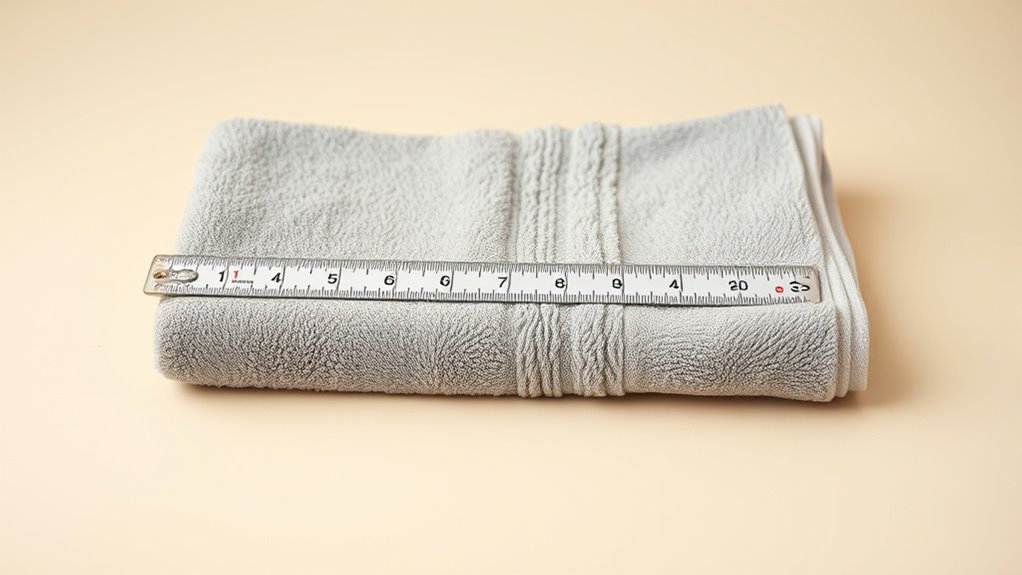

To measure your folded footprint for storage, fold each item as you normally would for storage, then use a measuring tape to record its length, width, and height. Make sure to measure snugly but without squeezing the item, and note if your folds are loose or tight for consistency. Keep track of these measurements, so you can match your items to appropriate storage spaces. For more tips on organizing efficiently, continue exploring the best methods.
Key Takeaways
- Fold the item as you normally would for storage to ensure accurate measurement.
- Use a measuring tape to record length, width, and height of the folded item.
- Measure at multiple points for irregularly shaped or bulky items to capture true dimensions.
- Note how tightly or loosely the item is folded for consistency in storage planning.
- Record measurements and compare them with available storage spaces or containers for optimal fit.
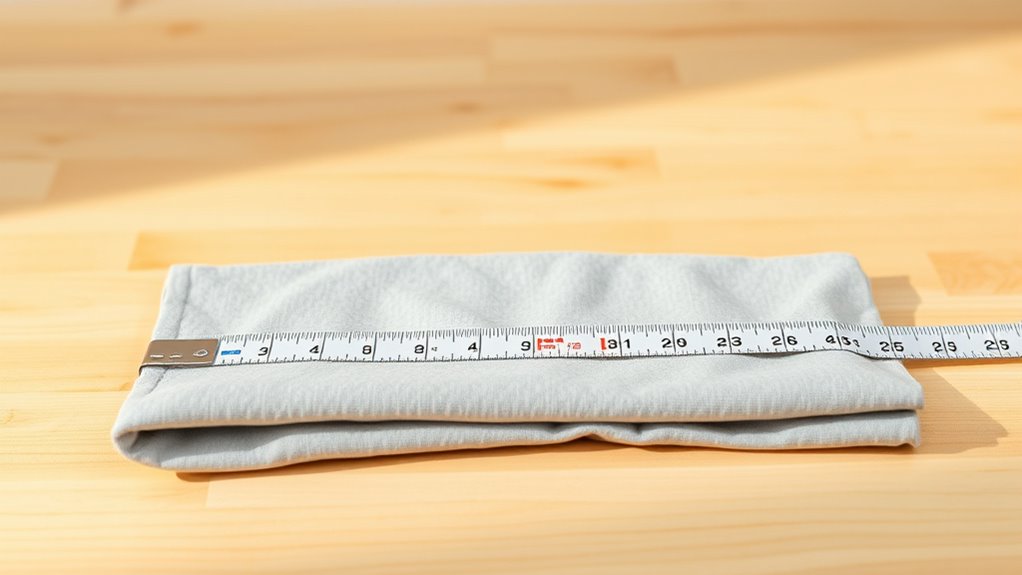
Measuring your folded footprint is essential to guarantee you have enough space for storage and can fit your items efficiently. When you fold an item, whether it’s a piece of furniture, a portable appliance, or fabric items like blankets or clothing, understanding its folded dimensions helps you plan your storage area accurately. Knowing the exact size of your folded items ensures you don’t overpack or waste space, making your storage solution more organized and accessible. It’s a simple step that saves frustration and helps avoid the need for rearranging later.
Measuring your folded items helps optimize storage and prevent space waste.
To get started, take a measuring tape and carefully fold your item as you normally would for storage. Once folded, measure the length, width, and height of the item in its folded state. Pay attention to how tightly or loosely you fold it, as this will impact the overall folded dimensions. Aim for consistent folding to get comparable measurements across multiple items. Keep a record of these measurements so you can compare them with available storage spaces or containers. This practice helps you select appropriately sized bins, shelves, or drawers, maximizing your storage capacity.
Understanding the folded dimensions is especially important when dealing with space-sensitive environments like small apartments or cluttered garages. For example, knowing the exact size of a folded mattress or sofa cushion allows you to find storage options that fit snugly, without wasting large chunks of space. With this information, you can also determine how many items you can store in a given area, optimizing the storage capacity. When shopping for storage containers, look for ones that match or slightly exceed your folded measurements, ensuring your items fit comfortably without forcing or damaging them.
Another tip is to consider stacking or organizing your folded items based on their dimensions. Items with similar folded sizes can be stacked or grouped together, saving room and making retrieval easier. If you’re dealing with irregularly shaped or bulky items, measure multiple points to get the most accurate depiction of their folded footprint. Conducting accurate measurements using proper techniques further helps in creating an efficient storage system and prevents space wastage. Doing so will help you avoid surprises when you go to store or retrieve your items later on.
In the end, taking the time to measure your folded footprint thoroughly makes a significant difference. It guarantees your storage space is used efficiently and your items are easy to access. By understanding the folded dimensions and how they relate to your available storage capacity, you can create a more organized, functional storage system that meets your needs now and in the future. This simple step streamlines your storage process and prevents unnecessary hassle, making your space more manageable and your items easier to locate.
Frequently Asked Questions
What Tools Are Best for Measuring Folded Footprints?
The best tools for measuring folded footprints are digital calipers and a flexible tape measure. Use digital calipers for precise measurements of small or narrow areas, ensuring accuracy. A flexible tape measure is ideal for larger or irregular shapes, allowing you to easily wrap around and record the dimensions. Both tools provide reliable measurements, helping you optimize storage space efficiently and avoid unnecessary clutter.
How Do I Measure Irregularly Shaped Footprints Accurately?
To measure irregularly shaped footprints accurately, start with footprint calibration using a known reference scale for precision. Use a flexible measuring tape or digital scanner to trace the shape, then analyze the shape with footprint shape analysis tools or software. Carefully record the length, width, and contours, ensuring all edges are accounted for. This method helps you get precise measurements, even with complex, irregular footprints, ensuring better storage and organization.
Can Folded Footprint Measurements Change Over Time?
Yes, your folded footprint measurements can change over time due to factors like footprint durability and environmental conditions. As materials age or experience wear, their size and shape might alter slightly, affecting measurement accuracy. To guarantee consistent storage and comparison, regularly re-measure your footprint, especially after significant changes or long periods. This helps you maintain reliable data and account for any shifts caused by durability issues or natural material variations.
Are There Standard Measurement Units for Folded Footprints?
Yes, standard measurement units for folded footprints typically include inches, centimeters, or feet, helping you with storage optimization. Using consistent units allows you to compare footprints easily and organize your space better. When measuring, guarantee accuracy for effective footprint comparison. This consistency helps you determine the best storage solutions, ensuring everything fits neatly and efficiently, especially when managing multiple items or optimizing limited storage areas.
How Do Measurements Vary for Different Storage Containers?
Think of your folded footprint like a puzzle piece—different storage containers demand unique measurements for perfect fit. Measurements vary greatly depending on container shape and size, affecting storage container compatibility. While folded footprint standards exist, they aren’t universal; some containers require precise dimensions, others are more flexible. Always measure your folded item carefully, considering the container’s internal dimensions, to ensure a snug, efficient fit without damaging your belongings.
Conclusion
Now that you know how to measure your folded footprint, you’re like a builder with a clear blueprint, ready to optimize your space. Think of your storage area as a garden waiting to be cultivated—your measurements are the seeds that will help everything grow neatly and efficiently. With this knowledge, you can tame even the wildest clutter, turning chaos into harmony. Your space is now a canvas, and you’ve got the perfect brushstrokes to keep it tidy.