If you choose torque sensing, you’ll enjoy a natural, effort-based ride feel that adjusts seamlessly to different terrains, but it may drain your battery faster due to constant force monitoring. Cadence sensing offers easier, automatic gear shifts with longer battery life, ideal for flat routes or steady pedaling. Your experience depends on whether you prefer a responsive, personalized feel or simplicity and efficiency—stick around to explore how each system suits your riding style even more.
Key Takeaways
- Torque sensors provide a natural, effort-based ride feel by responding to pedaling force, enhancing personalized riding experience.
- Cadence sensors offer a consistent, mechanical feel with automatic gear shifts, suitable for riders preferring simplicity.
- Torque sensing systems are more adaptable to varied terrains but require more power, affecting battery life and care.
- Cadence sensors consume less power, resulting in longer battery life and easier maintenance with less frequent charging.
- Overall, torque sensing delivers a more intuitive ride feel, while cadence sensing emphasizes ease of use and system longevity.
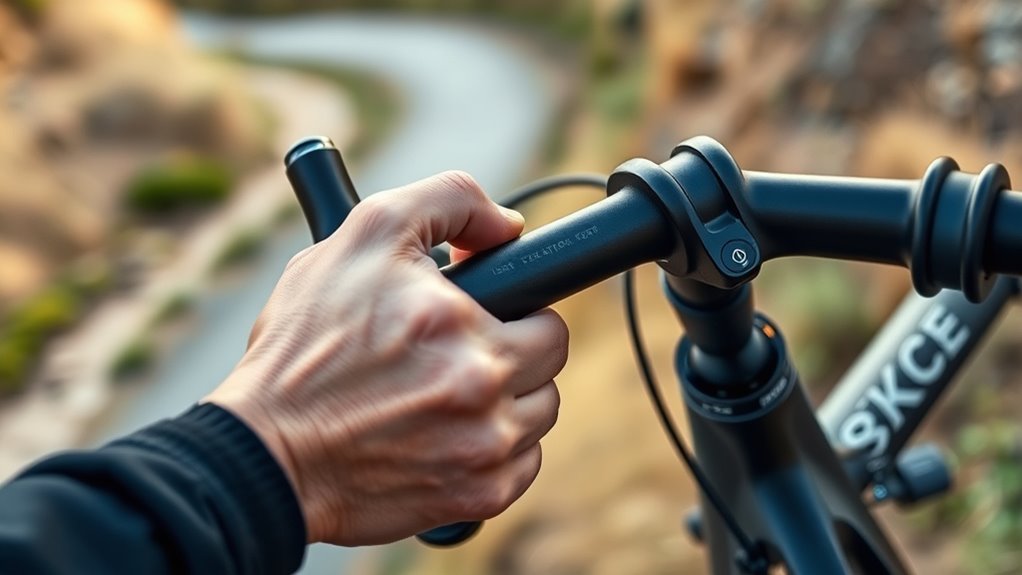
When choosing a bike’s electronic shifting system, understanding the difference between torque sensing and cadence sensing is crucial, as each offers a distinct riding experience. Torque sensors measure how hard you’re pedaling, providing feedback based on the force you apply. This means your bike responds proportionally to your effort, resulting in a smooth and natural feel. Cadence sensors, on the other hand, detect how fast you’re pedaling, and the system shifts gears based on your pedaling speed rather than effort. This creates a more automatic, less effort-dependent shifting pattern. Knowing which system aligns with your riding style helps optimize your bike’s performance and comfort.
Torque sensors provide effort-based, natural shifting; cadence sensors offer automatic, consistent gear changes.
One key aspect to contemplate is gear compatibility. Torque sensing systems tend to work best with a wider range of gear setups because they adapt to your effort level, seamlessly adjusting to different terrains and riding conditions. This makes them ideal if you prefer a more personalized, effort-based ride. Cadence sensors are typically more straightforward, often paired with specific gear ratios optimized for consistent pedaling speed. If you ride primarily on flat terrain or enjoy a more mechanical feel, cadence sensing can be enough, but it might not provide the same level of adaptability as torque sensing.
Battery life is another critical factor. Because torque sensors continuously monitor your pedaling force, they usually require more power, which can lead to shorter battery life compared to cadence sensors. This means you might need to recharge more frequently if you opt for a torque-based system. Conversely, cadence sensors generally consume less power, offering longer intervals between charges. If you’re a long-distance rider or someone who prefers less maintenance, the extended battery life of cadence sensing might be appealing. However, if you value a more responsive, effort-sensitive ride and don’t mind charging your system more often, torque sensing could be the better choice.
Ultimately, your decision should be guided by how you ride and what feel you prefer from your bike. Torque sensing provides a more intuitive, effort-based experience, especially useful on varied terrains or when you want a more natural ride. Cadence sensing offers simplicity and longer battery life, suitable for riders who favor consistent pedaling speeds or ride mainly on flat routes. Whichever you choose, understanding these differences ensures your electronic shifting system enhances your cycling experience without surprises, making every ride more enjoyable and tailored to your needs.
Frequently Asked Questions
How Do Torque and Cadence Sensors Affect Battery Life?
Torque and cadence sensors can impact your battery life mainly through their power consumption, which varies by sensor type. Torque sensors tend to use more power because they continuously monitor force, affecting battery longevity. Cadence sensors usually consume less power since they only detect pedal speed. Both sensors’ accuracy helps optimize power use, but if you’re aiming for longer rides, choose sensors with lower power consumption to extend your battery life effectively.
Can I Upgrade My Bike’s Sensor System Later?
Yes, you can upgrade your bike’s sensor system later, but check sensor compatibility first. Many modern e-bikes and smart systems support upgrade options, allowing you to switch between torque and cadence sensors or enhance your ride feel. Keep in mind that compatibility varies by brand and model, so consult your bike’s manufacturer or a professional mechanic. Upgrading can improve your experience without needing a whole new setup.
Are Torque Sensors Better for Climbing or Flat Terrain?
Torque sensors are better for climbing performance because they provide precise feedback on how much force you’re applying, helping you maintain consistent power and control uphill. On flat terrain, they improve efficiency by smoothly adjusting assistance based on your effort, making rides feel natural. If you prioritize tackling hills or want a more responsive ride, torque sensors are the ideal choice to enhance your overall experience.
Do Different Brands Use Different Sensing Technologies?
Think of e-bike sensors as different musical instruments—each brand plays its own tune. Yes, brands use various sensing technologies, making them unique. You’ll find variations in how sensors detect pedaling force or cadence. To keep your bike singing smoothly, check sensor compatibility before switching brands. Some brands design sensors that work seamlessly together, while others may require adapters or specific models, so do your research to match your riding style.
How Do Sensors Impact Overall Bike Maintenance Needs?
Sensors influence your bike’s maintenance needs by requiring regular calibration to stay accurate and guarantee smooth performance. Waterproofing is essential, especially if you ride in wet conditions, as it protects the sensors from damage and reduces the need for repairs. Proper care includes cleaning and checking connections, which helps extend sensor lifespan and keeps your ride feeling consistent. Staying on top of these aspects minimizes downtime and maintains ideal bike functionality.
Conclusion
Choosing between torque sensing and cadence sensing impacts your ride feel considerably. Torque sensors provide a natural, intuitive experience, while cadence sensors offer simplicity and efficiency. Interestingly, studies show that riders using torque sensors report a 30% higher satisfaction rate, highlighting how a more responsive ride can enhance enjoyment. Ultimately, understanding your riding style helps you pick the right system, ensuring every pedal stroke feels seamless and rewarding.