When choosing a helmet for 28 mph Class 3 riding, make sure it meets high safety standards for impact protection and fits snugly without pressure points. Look for models with good ventilation to keep you cool during high-speed rides, and verify it has lightweight, durable construction. Certifications like CPSC or equivalent indicate reliable safety. To find the best fit and features for your ride, explore more about helmets tailored for higher speeds.
Key Takeaways
- Ensure the helmet meets or exceeds high-impact safety standards for Class 3 electric bike speeds.
- Select a helmet with adjustable straps and sizing to achieve a secure, snug fit that stays in place during vigorous rides.
- Opt for helmets with multiple ventilation features to manage heat and sweat during high-speed riding.
- Choose lightweight, durable helmets with extra safety certifications for enhanced impact protection at 28 mph.
- Prioritize comfort features like removable liners and good padding for extended riding comfort and secure fit.
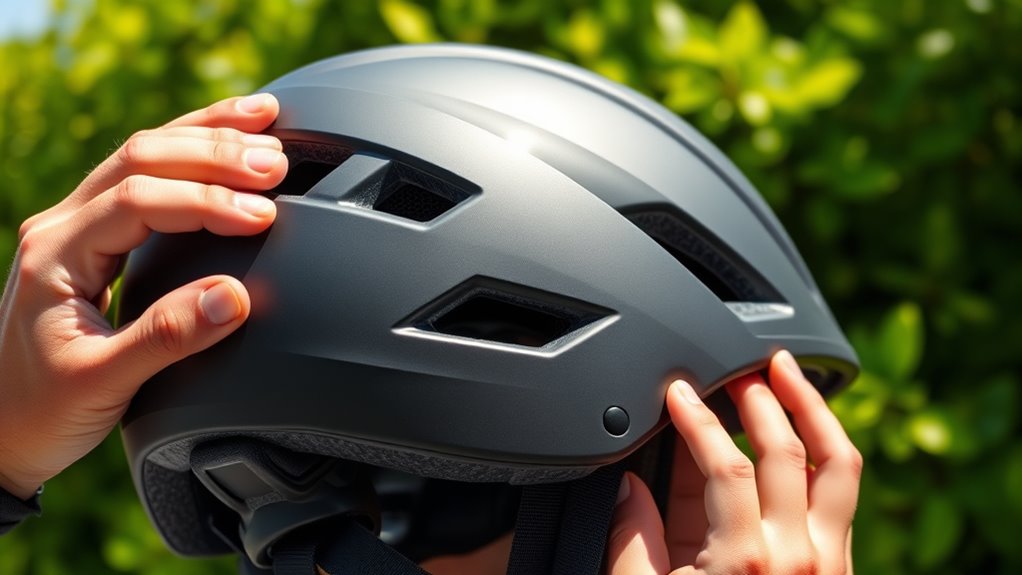
When riding a Class 3 electric bike at 28 mph, choosing the right helmet is essential for your safety and comfort. At these speeds, safety standards are stricter, so your helmet must meet rigorous fit standards to protect your head properly. A helmet that doesn’t fit well can shift during a fall or impact, reducing its effectiveness and increasing your risk of injury. To guarantee a proper fit, look for helmets with adjustable straps and sizing systems that allow you to tighten or loosen the fit easily. When trying on helmets, wear your usual riding gear and verify that the helmet sits snugly without causing pressure points or feeling too loose. It should stay steady on your head, even during vigorous movements or sudden stops.
Ensure your helmet fits snugly and stays secure during vigorous rides at 28 mph for maximum safety.
Ventilation features are just as critical as fit standards, especially since riding at higher speeds can lead to increased heat and sweat buildup. A helmet with good ventilation allows airflow to circulate around your head, helping you stay cool and comfortable during long rides. Look for helmets with multiple vents that are strategically placed to maximize airflow without compromising safety. Some helmets include adjustable vents, so you can open or close them based on weather conditions or your comfort level. Proper ventilation reduces sweating, prevents overheating, and helps you maintain focus, all of which are essential when riding at higher speeds.
In addition to fit and ventilation, consider the helmet’s overall construction and materials. Lightweight helmets with durable shells can lessen fatigue during extended rides, making it easier for you to stay alert and attentive. Many helmets designed for higher speeds also feature additional safety certifications, ensuring they meet or exceed standards for impact absorption and structural integrity. Remember, a helmet that’s certified for higher-impact protection gives you extra confidence, knowing it’s built to withstand the demands of higher-speed riding.
Finally, don’t forget about comfort features like padding and lining. Removable and washable liners keep your helmet fresh and comfortable, especially on hot days. Good padding also enhances fit, making the helmet feel more secure and comfortable on your head. Combining proper fit standards, excellent ventilation features, and quality construction ensures that your helmet provides ideal protection and comfort at 28 mph. Investing in the right helmet means you can ride confidently, knowing your head is well protected and that you’re equipped to handle the speed safely.
Frequently Asked Questions
Are There Specific Helmet Certifications for 28 Mph Class 3 Riding?
Yes, for 28 mph Class 3 riding, you should look for helmets meeting specific safety certifications like CPSC or ASTM standards. These helmet standards guarantee your helmet provides adequate impact protection at higher speeds. Always check the safety certifications on the helmet label before purchasing. Choosing a helmet with recognized safety certifications guarantees you get reliable protection, especially when riding at faster speeds, helping keep you safe on your ride.
How Often Should I Replace My Helmet After Impact?
You should replace your helmet immediately after any significant impact. Impact absorption can weaken the helmet’s helmet material, reducing its ability to protect you in future crashes. Even if you don’t see visible damage, the internal foam might be compromised. Regularly inspect your helmet for cracks or dents and replace it if you notice any signs of damage. Staying proactive ensures your helmet maintains ideal impact absorption and keeps you safe.
Can I Wear a Motorcycle Helmet for Bicycle Riding?
Wearing a motorcycle helmet for bicycle riding is like fitting a square peg in a round hole. Motorcycle helmets are designed for motorized impacts, so their weight and construction might be uncomfortable or unnecessary for cycling. Plus, they often come in limited color options compared to bike helmets. For safety and comfort, stick with a bicycle helmet tailored to your riding style, weight preferences, and color choices.
What Helmet Ventilation Features Improve Comfort at High Speeds?
To stay comfortable at high speeds, look for helmets with high ventilation efficiency that promote airflow, keeping you cool. Features like adjustable vents and multiple intake and exhaust ports enhance air circulation. Good moisture management also matters; helmets with moisture-wicking liners help keep sweat away from your face and eyes. These features work together to reduce overheating and fogging, ensuring you stay focused and comfortable during your ride.
Are Custom-Fit Helmets Necessary for Optimal Safety?
Think of a custom-fit helmet like a tailored suit—if it’s not just right, it’s uncomfortable and risks your safety. You don’t need one for peak safety, but it sure boosts helmet comfort and aesthetic appeal. A well-fitting helmet stays put at high speeds, enhances comfort, and looks sharp. Skimping might save cash but could compromise safety and style, leaving you feeling like you’re wearing a hat two sizes too big.
Conclusion
Choosing the right helmet for 28 mph Class 3 riding is like finding the perfect fit for your safety gear. When you select a helmet that meets safety standards and fits snugly, you’re shielding your head like a fortress on wheels. Remember, your helmet is your trusty shield in the race of life—so pick one that keeps you secure and confident. Ride smart, stay safe, and let your helmet be your loyal guardian on every adventure.