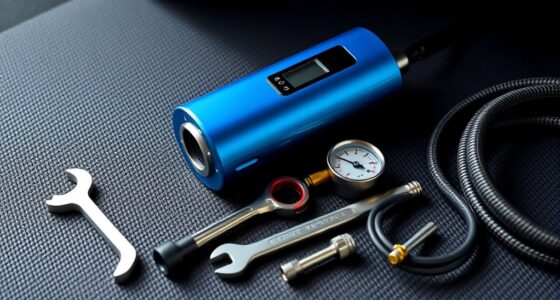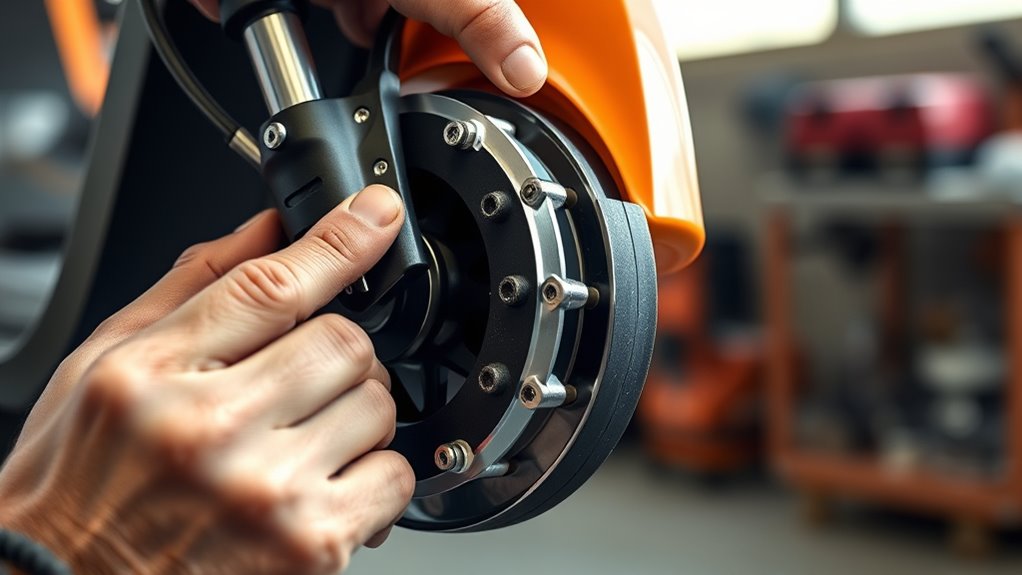

To replace your e-scooter’s brake pads, start by turning off your scooter and gathering the necessary tools like a wrench or screwdriver. Loosen the caliper, remove the worn pads, and clean the area. Make sure to check that your new pads are compatible with your scooter model. Install the new pads, ensuring proper alignment, then test your brakes in a safe area. Keep going to discover detailed steps for a smooth replacement process.
Key Takeaways
- Identify signs of brake wear like squealing, reduced responsiveness, or longer stopping distances before replacement.
- Confirm brake pad compatibility with your scooter’s make and model by consulting the manual or manufacturer.
- Gather necessary tools, turn off the scooter, and carefully remove the worn brake pads following the mounting system.
- Install new brake pads, ensuring proper alignment and secure fastening to prevent uneven wear or damage.
- Test the brakes in a safe area, applying multiple times to ensure smooth engagement and check for proper performance.
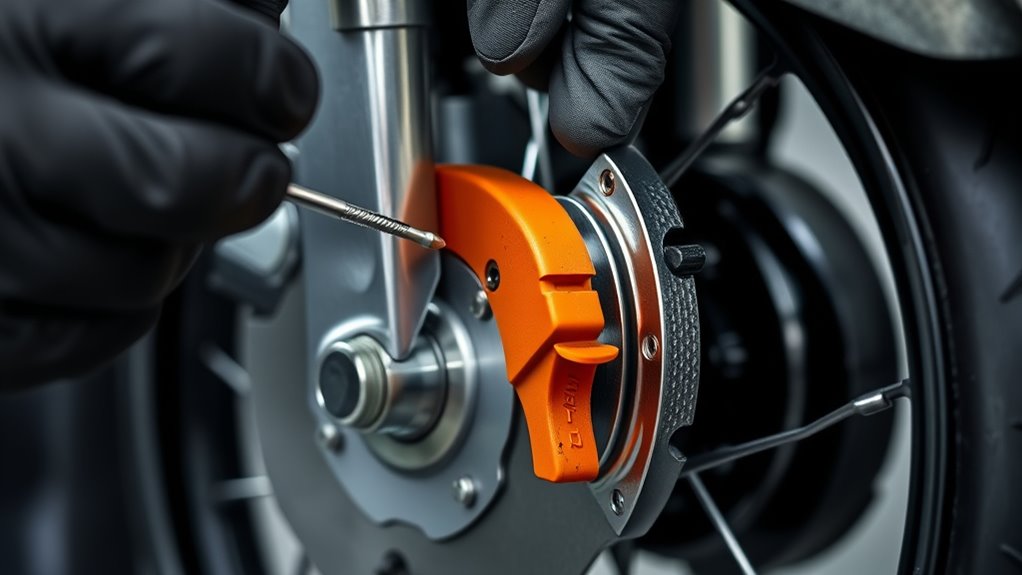
If your e-scooter’s braking performance has started to decline, it’s likely time to replace the brake pads. Over time, brake pads wear down from regular use, reducing their ability to stop your scooter efficiently. Knowing how to recognize signs of brake wear and understanding brake pad compatibility are vital for maintaining safe and reliable braking. When your brakes aren’t as responsive or squeal during use, it’s a clear indication that your brake pads may be nearing the end of their lifespan. These signs of brake wear can also include a longer stopping distance or a spongy brake feel. If you notice any of these issues, don’t delay replacing the brake pads, as worn pads can compromise your safety.
Worn brake pads reduce stopping power and can compromise safety; replace them promptly at signs of wear.
Before starting the replacement process, you need to verify the new brake pads are compatible with your e-scooter. Brake pad compatibility depends on the make and model of your scooter, as different brands and designs use varied mounting systems and materials. Check your scooter’s manual or consult with the manufacturer to identify the correct type of brake pads. Using incompatible brake pads can lead to poor braking performance, uneven wear, or even damage to the brake system. Once you’ve selected the right pads, gather the necessary tools, such as a wrench, screwdriver, or Allen keys. Make sure your scooter is turned off and secured on a stable surface before you begin.
Removing the old brake pads requires a careful approach. Start by loosening the brake caliper or assembly that holds the pads in place. Take note of how the existing pads are mounted, as this will help when installing the new ones. Carefully slide out the worn pads, paying attention to how they are positioned. Clean the caliper and surrounding area to remove any dirt or debris that could interfere with the new pads’ proper seating. When installing the new brake pads, ensure they are correctly aligned with the rotor and securely fastened. Proper alignment is vital for effective braking and preventing uneven wear.
Additionally, inspecting the brake system regularly and replacing pads before they are completely worn down will extend the lifespan of your scooter’s braking components and ensure consistent safety. After replacing the pads, test your e-scooter’s brakes in a safe area. Gently apply the brakes several times to ensure they engage smoothly and stop the scooter effectively. If the braking feels uneven or weak, double-check the installation and alignment. Regularly inspecting your brake pads for signs of wear and replacing them promptly will keep your rides safe and ensure your e-scooter performs at its best. Remember, maintaining the right brake pad compatibility and addressing signs of brake wear early will save you time and money in the long run.

Toddmomy 3 Pairs Semi-Metallic Mountain Bike Brake Pads Replacement Kit for E-Bikes and Electric Scooters with Hydraulic Disc Brake Compatibility
- Quiet Ride Design: Minimizes noise for peaceful rides
- Universal Compatibility: Fits mountain bikes, e-bikes, and scooters
- Effective Heat Dissipation: Prevents brake fade during intense riding
As an affiliate, we earn on qualifying purchases.
As an affiliate, we earn on qualifying purchases.
Frequently Asked Questions
How Often Should Brake Pads Be Inspected for Wear?
You should inspect your e-scooter brake pads for wear every 100-200 miles or if you notice decreased braking performance. Regular checks help monitor brake pad longevity and guarantee safety. Look for wear indicators—usually grooves or a thinner pad surface—that signal pads need replacement. By inspecting frequently, you prevent uneven wear and maintain peak braking, keeping your ride safe and smooth.
Can I Upgrade to Higher-Performance Brake Pads?
Upgrading to higher-performance brake pads is definitely possible. Think of it like swapping out your bike tires for better grip—improving control. You can choose from various brake pad materials like ceramic or semi-metallic, and brands known for quality. Just make sure your scooter’s brake system supports the pads you select. Upgrading can give you better stopping power, especially if you ride frequently or in demanding conditions.
Are There Specific Tools Required for Replacing E-Scooter Brake Pads?
Yes, you’ll need specialized tools for brake pad removal on your e-scooter. Typically, a hex wrench or Allen key is essential to loosen bolts securing the brake pads. You might also need a screwdriver to remove any covers or clips. Make sure you have these tools ready before starting, as they make the process smoother and help prevent damage to the brake system. Proper tools ensure a safe and effective brake pad replacement.
How Do I Dispose of Old Brake Pads Properly?
You should eco-friendly dispose of your old brake pads by recycling them properly. Start by checking local recycling centers or hazardous waste facilities that accept metal and rubber components. Some places might have specific recycling methods for e-scooter parts, so call ahead. Coincidentally, by recycling your brake pads, you help reduce environmental impact and support sustainable practices. Always follow local regulations to ensure safe and responsible disposal, keeping our environment clean.
What Signs Indicate Brake Pads Need Immediate Replacement?
You’ll want to replace your brake pads immediately if you notice brake noise or uneven braking. Brake noise, like squealing or grinding sounds, signals worn-out pads. Uneven braking, where the scooter pulls to one side, also indicates the pads aren’t functioning properly. Don’t delay; ignoring these signs can reduce safety and cause further damage. Check your brake pads regularly and replace them as soon as you notice these issues.

4Pcs Electric Scooter Disc Brake Pads Compatible with Kugoo M4/M4 Pro Brake Pads M4 Resin Semi-Metal Brake Pad Durable Scooter Brake Pad Accessories
- Precision Fit: Compatible with Kugoo M4/M4 Pro and more
- Dual-Material Technology: Resin-semi metallic hybrid for fast stopping
- Enhanced Durability: Reinforced fiberglass backing for all-weather use
As an affiliate, we earn on qualifying purchases.
As an affiliate, we earn on qualifying purchases.
Conclusion
So, next time you’re zipping along your e-scooter, remember that those tiny brake pads are your unsung heroes—until they wear out and leave you sliding into a surprise. It’s almost poetic how something so small can turn your smooth ride into a frantic scramble. Luckily, replacing them is a quick fix. Just don’t forget: neglect the pads, and you might find yourself wishing you’d paid a little more attention to those tiny, essential bits.
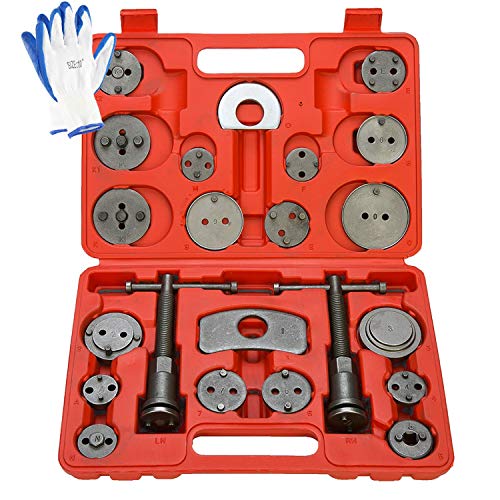
8MILELAKE Disc Brake Caliper Compressor Wind Back Tool 24pc Professional Caliper Tool Set
- Compatible with 4WD vehicles: Ideal for 4 wheel drive cars and trucks
- Includes thrust bolt assemblies: Left and right handed thrust bolts included
- Variety of adapters: 18 adapters for different car brands
As an affiliate, we earn on qualifying purchases.
As an affiliate, we earn on qualifying purchases.

4 Pairs Bike Brake Pads,Bicycle Brake Pads with Installation Tools Compatible with Trp Tektro Shimano Brake Pads MT200 M355 M446 M315 M365,MTB Bike Disc Brake Pads Compatible with Ebike Brake Pads
- Includes Installation Tools: Disc brake gap regulator, piston press, hex wrench
- Durable & Quiet Material: Semi-metallic copper fiber and organic resin
- Wide Compatibility: Fits Shimano, Tektro, and more
As an affiliate, we earn on qualifying purchases.
As an affiliate, we earn on qualifying purchases.