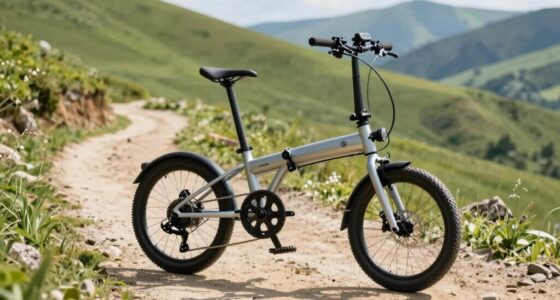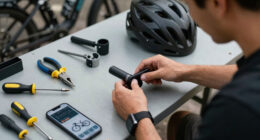
To measure a folded footprint accurately, carefully unfold or gently manipulate the material without causing damage. Use precise tools like digital calipers or rulers to take multiple measurements at different points, noting how folds affect the dimensions. Make sure your measurements reflect the true size of the footprint, considering environmental effects. If you keep exploring, you’ll discover more tips to guarantee your measurements are both accurate and reliable.
Key Takeaways
- Carefully unfold or gently straighten the footprint material without causing damage.
- Use precise tools like digital calipers to measure length, width, and depth accurately.
- Take multiple measurements at different points to account for irregularities or folds.
- Record environmental conditions and measurement locations for consistent results.
- Document all measurements thoroughly to ensure accurate analysis and interpretation.

Measuring folded footprints is a precise process that helps you analyze the unique marks left behind by various materials or objects. When you’re trying to understand the pattern or size of a folded footprint, the key is accuracy. To do this effectively, you need to focus on folded footprint dimensions, which refer to the specific measurements of the footprint’s length, width, and sometimes depth. These dimensions provide vital information about the object or material that created the footprint, whether it’s a piece of fabric, a biological mark, or an imprint left by an object.
Accurate folded footprint measurements reveal vital details about their origin and material.
Using the right measurement tools is essential for capturing accurate data. A ruler or a measuring tape works well for straightforward measurements of length and width, especially when dealing with flat or easily accessible footprints. For more detailed or intricate footprints, digital calipers can be invaluable because they offer precise readings down to fractions of a millimeter. If the footprint is embedded in a softer material like mud or clay, you might also use a depth gauge or a small spatula to gently lift and measure the imprint without distorting its shape. No matter what tools you choose, ensure they are clean and calibrated for the most accurate results.
When measuring a folded footprint, pay attention to how the material or object has folded or layered within the impression. This can affect the overall dimensions, so it’s important to carefully unfold or gently manipulate the material if possible, without damaging the footprint. Take multiple measurements at different points to account for any irregularities caused by folds or creases. Record these measurements meticulously, noting the exact location and orientation of each measurement. This way, you’ll have a thorough understanding of the footprint’s size and shape, which is vital for proper analysis. Additionally, understanding the material properties of the substrate can help interpret how the footprint was formed and how it might have changed over time.
Keep in mind that environmental factors can influence your measurements. For example, moisture or temperature changes can cause materials to expand or contract slightly. If you’re working in the field, try to measure as soon as possible after discovering the footprint to avoid these variables affecting your results. Also, consider the scale of the footprint in relation to the space where it’s found, ensuring your measurement tools are appropriate for the size of the imprint. Whether you’re working with tiny or large footprints, the goal is to gather precise data that accurately reflects the original imprint without distortion.
Ultimately, mastering the art of measuring folded footprints with the right tools and techniques will give you valuable insights into the material or object that created them. Accurate measurements lead to better analysis, helping you draw meaningful conclusions about the footprint’s origin and significance.

Digital Caliper, Adoric 0-6" Calipers Measuring Tool – Electronic Micrometer Caliper with Large LCD Screen, Auto-Off Feature, Inch and Millimeter Conversion
Precise measurement: Measurement range: 0 – 6''/0 – 150 mm; Resolution: 0.01”/0.1 mm; Accuracy: +/- 0.2 mm/0.01”. Perfect…
As an affiliate, we earn on qualifying purchases.
As an affiliate, we earn on qualifying purchases.
Frequently Asked Questions
How Do I Account for Uneven Terrain When Measuring?
When measuring on uneven terrain, you need to do a terrain adjustment to get an accurate folded footprint. First, place your measuring tool flat on the ground and record the height variations. For uneven measurement, measure multiple points and average them, or use a level to help calibrate your measurements. This ensures your footprint fits properly and accounts for irregularities in the terrain.
What’s the Best Way to Store Folded Footprints?
You can store folded footprints in a dry, breathable bag or a dedicated storage container to keep them in top shape. Proper storage options prevent damage and maintain footprint sizing accuracy. When not in use, fold them neatly to avoid creases, making sure they’re out of direct sunlight and moisture. Coincidentally, how you store your footprints reflects how well you value their longevity, just like the terrain beneath your gear.
Can I Measure Footprints for Multiple Family Members?
Yes, you can measure footprints for multiple family members. To account for family size and footprint variations, measure each person’s footprint individually, ensuring you record the length and width accurately. Use a consistent method, such as tracing on paper or measuring directly with a ruler. This way, you’ll get precise measurements that accommodate different foot sizes and shape differences, making it easier to find the perfect fit for everyone.
How Often Should I Re-Measure My Folded Footprint?
You should re-measure your folded footprint every 6 to 12 months to maintain measurement accuracy. Changes in your foot size or shape, along with variations in folding techniques, can affect how well your footprint fits your space. Regular re-measurements ensure your footprint accurately reflects your current needs. Use consistent folding techniques each time to improve accuracy, and keep a record of measurements to track any changes over time.
Are There Tools That Make Measuring Easier?
Did you know that using proper measuring tools can improve footprint accuracy by up to 30%? You can make measuring easier with tools like a flexible tape measure, a ruler, or a measuring app. These tools help you get precise measurements quickly, ensuring your folded footprint fits perfectly in your space. Invest in quality measuring tools, and you’ll enjoy more accurate results every time, saving you time and effort.
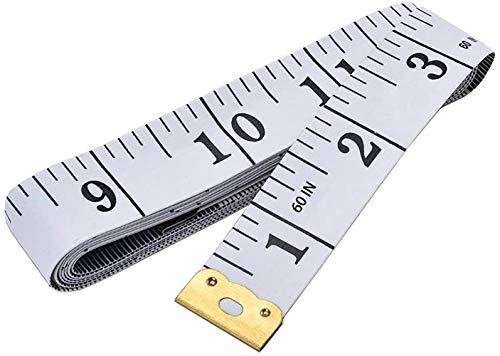
GDMINLO Soft Tape Measure Double Scale Body Sewing Flexible Tailor Craft Vinyl Ruler for Weight Loss Medical Body Measurement, Has Centimetre Scale on Reverse Side 60-inch(White)
Measuring range: 0 to 60 inches and 0 to 150 centimeters. There is a centimeter scale on the…
As an affiliate, we earn on qualifying purchases.
As an affiliate, we earn on qualifying purchases.
Conclusion
Now that you know how to measure a folded footprint correctly, you’ll find it fits just right in your space—like a puzzle piece snapping into place. Remember, taking accurate measurements is key to ensuring your gear works perfectly where you live. With these simple steps, you’ll be able to choose the right footprint every time, making setup easier and more efficient. So go ahead, measure confidently—your perfect fit is just a few steps away!

JACO TreadPro Tire Tread Depth Gauge, Dial Type (Reads in 1/32")
Accurate and precise tire tread depth readings in 1/32 inch increments (1/128 inch resolution)
As an affiliate, we earn on qualifying purchases.
As an affiliate, we earn on qualifying purchases.

WIN TAPE Clear Plastic Goniometer Can Rotate 360 Degree 7'' Arms, Quick Angle Protractor Measuring Tool
Clear Design – The easy to read 180° head. The arm's ruler features both inches and centimeters.
As an affiliate, we earn on qualifying purchases.
As an affiliate, we earn on qualifying purchases.