
TL;DR
A study of 21 vehicles and 30 companion apps found that many connected with advertising, tracking and analytics companies, sometimes sharing personal information such as vehicle identification numbers. Researchers say app connections often expanded the number of third parties receiving data, while automakers’ privacy disclosures did not consistently identify who received it or why.
A study by Northeastern University and Consumer Reports found that connected vehicles and their companion apps sent data to numerous advertising, tracking and analytics companies, including some that received vehicle identification numbers. The researchers tested 21 vehicles and 30 apps, raising questions about who can link driving-related data to individual owners and how clearly automakers disclose those transfers.

Get bike and ride gear delivered free with Prime
- Fast, free delivery on millions of items
- Prime Video, Amazon Music and more included
- Member-only deals all year
In the study, 70% of companion apps contacted more than five advertising, tracking and analytics domains. The report says those connections commonly involved location, timing and other data. For most vehicles, counting the automaker’s or a third party’s app at least doubled the number of such companies exposed to the owner’s data. The Buick Envista and Nissan Ariya had few connections on their own but reached more than 20 when their apps were included; the myCadillac app contacted 51 domains.
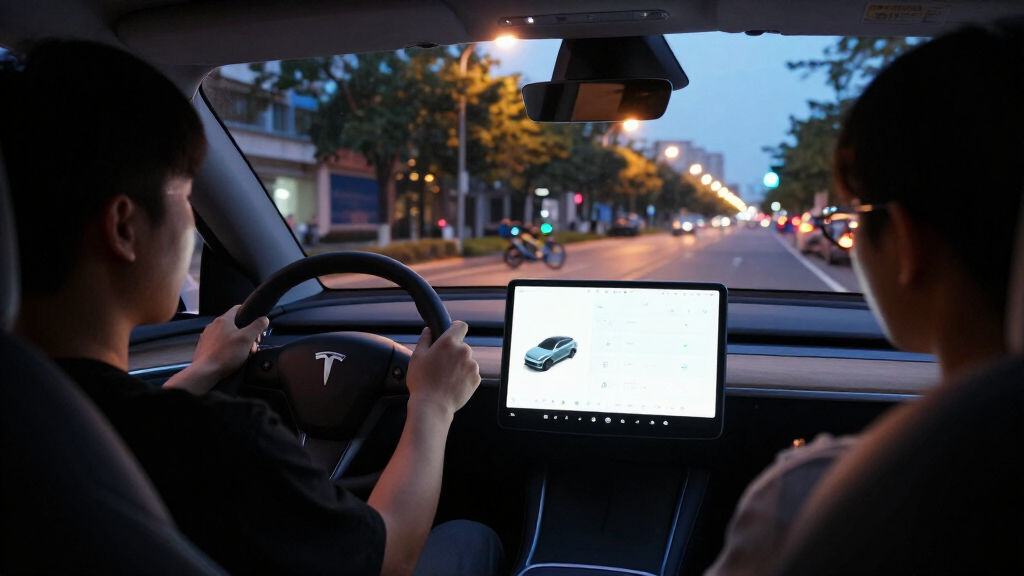
Vehicle connections varied. Over Wi-Fi, the tested cars contacted at most four manufacturer domains and averaged about nine integrated third parties. The Tesla Model 3 contacted 34 advertising, tracking and analytics domains, and the Cybertruck contacted 23. By contrast, the Mercedes-Benz EQS and Buick Envista contacted no third parties in that part of the test. Thirteen vehicles contacted Google domains, including DoubleClick, which the report says is not needed for core vehicle services.
The researchers also found that seven apps associated with 19 of the 21 cars sent personal information to third parties. These included four General Motors apps, HondaLink, Lincoln and MyNissan. The most common information was a vehicle identification number (VIN); recipients included Google, Microsoft and Meta. The report warns that a VIN combined with details such as an email address, phone number or location could help connect a specific owner with browsing or purchase histories. Unlike a phone advertising ID, a VIN cannot simply be reset.
VINs Can Link Cars to Owners
A car’s data can identify a vehicle and, when combined with other information, potentially its owner. A VIN is a persistent identifier. If it reaches an advertising or analytics company alongside contact details or location, that company may be able to associate vehicle activity with other records. The study documents data transfers and potential linkages; it does not establish that every recipient built or used an individual owner profile.
Connected features may rely on vehicle or app data, and opting out can reduce access to them. The report says Tesla warned that opting out could reduce functionality or make some features inoperable, while Rivian warned that navigation and over-the-air updates could be disabled. These warnings indicate that privacy settings may affect the use of some vehicle features.
Popular right now

Philips 2200 Series Fully Automatic Espresso Machine with Classic Milk Frother, Ceramic Grinder, and AquaClean Filter

TCL 85-Inch QM64L QD-Mini LED 4K Smart Fire TV

Philips 3300 Series Fully Automatic Espresso Machine with LatteGo
As an affiliate, we earn on qualifying purchases.
Apps Expand the Data Path
The researchers tested vehicles from 19 brands, spanning model years 2022 to 2025, and examined companion apps that handle user data. The report describes how data collection can extend beyond the vehicle itself: an app may open an embedded browser or connect to the owner’s phone, changing which browser settings and data flows apply. Researchers said this made the data pathways difficult to trace.
Of 17 manufacturers contacted about the findings, 14 responded. According to the report, all said their vendor contracts covered data flows. Five pointed to embedded browsers in their apps, and seven said consumers were responsible for reviewing third-party terms. The study says privacy policies disclosed that data could go to third parties but generally did not specify which companies received it or for what purpose.
Honda was the exception described in the report: it asked Amplitude to delete location data it had received and stopped the app from sending that data. The study does not say that Honda’s response changed the practices of other manufacturers or vendors.
“The report found that 70% of companion apps contacted more than five advertising, tracking and analytics domains.”
— Northeastern University and Consumer Reports study
Recipients and Uses Remain Unclear
The study identifies domains contacted during testing and reports examples of data sent, but the supplied findings do not establish how every recipient later used or retained that information. It is also unclear whether the observed connections and transfers occur in the same way for every owner, app version, vehicle configuration or location. The report notes that sibling models from the same manufacturer did not always behave alike.
The manufacturers’ responses did not resolve which vendors received particular data or why. The source material also does not specify the study’s publication date or describe whether the tested companies have since changed their practices, apart from Honda’s reported action involving Amplitude.
Watch for Policy and App Changes
The next developments to watch are changes to automaker app settings, privacy policies and vendor data practices. The report does not announce a regulatory action or a deadline for manufacturers to respond. Owners can review the settings and terms for their vehicle and companion app, while recognizing that the source says opting out may disable some connected features. Any claims that a company has changed its practices should be checked against a dated statement or updated policy.
Key Questions
How many vehicles and apps did researchers examine?
The study examined 21 vehicles from 19 brands and 30 companion apps.
What information did some car apps send to third parties?
The report says seven apps sent personal information to advertising, tracking and analytics third parties. VINs were the most common information identified; the study also discusses location and other data.
Which third parties received VINs?
The study names Google, Microsoft and Meta among recipients of VINs. Its findings do not show that every tested app sent a VIN to each company.
Can drivers opt out of data sharing?
The report says some manufacturers warned that opting out could reduce functionality or disable features such as navigation and over-the-air updates. The available source does not give a single opt-out process that applies to every vehicle.
Did a manufacturer change its practices after the study?
According to the report, Honda asked Amplitude to delete location data it had received and stopped the app from sending it. The source does not describe comparable changes by other manufacturers.
Source: rss