For most music producers, the 14-inch MacBook Pro with M5 Pro and 48GB memory is the strongest all-around fit: it pairs a capable chip with room for large sessions and a portable design. The 16-inch M5 Pro is a better match if you want a larger screen, while the M5 models with 32GB memory offer a more restrained setup for recording and moderate projects. The main choice is how much memory and processing headroom your sessions need, balanced against size and the cost of buying more power than you use. Older renewed Intel and M2 Max models may suit specific budgets or workflows, but their age and configuration call for closer scrutiny. Read on for the full breakdown and a guide to choosing the right MacBook Pro for your music production setup.

Get bike and ride gear delivered free with Prime
- Fast, free delivery on millions of items
- Prime Video, Amazon Music and more included
- Member-only deals all year
Key Takeaways
- The 14-inch M5 Pro with 48GB memory stands out as the most balanced option for producers who want substantial session headroom without moving to a 16-inch chassis.
- The 16-inch M5 Pro with 24GB memory favors screen space and a larger working canvas, while its lower listed memory gives the 48GB 14-inch configuration more room for memory-heavy sessions.
- The two M5 models with 32GB memory offer a sensible middle ground for recording, editing, and moderate plug-in use; the 16GB M5 configuration leaves less room for growing projects.
- M5 Max and M4 Max configurations bring the most listed memory and processing capacity, but many producers may get more practical value from an M5 Pro and suitable external studio gear.
- Renewed Intel, M2 Max, and M4 Max models vary widely in age and configuration; compare the specific chip, memory, storage, and seller terms rather than choosing by the Pro or Max label alone.


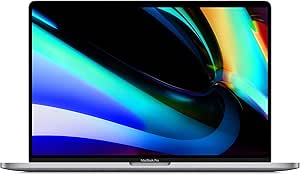





| macbook pro for music production | Display | Memory | Storage | Ports |
|---|---|---|---|---|
| Apple MacBook Pro 2023 with M2 | 16.2-inch Liquid Retina XDR | 32GB | 1TB SSD | MagSafe, three Thunderbolt 4, SDXC, HDMI, headphone jack |
| Apple 2025 MacBook Pro Laptop | 14.2-inch Liquid Retina XDR | 16GB unified memory | 1TB SSD | Three Thunderbolt 4, MagSafe 3, SDXC, HDMI, headphone jack |
| Apple MacBook Pro 14.2-inch wi | 14.2-inch Liquid Retina XDR in title; feature text also says 16.2-inch | 48GB unified memory | 1TB SSD | Three Thunderbolt 5, MagSafe 3, SDXC, HDMI, headphone jack |
| Apple 2026 MacBook Pro Laptop | 16.2-inch Liquid Retina XDR | 24GB unified memory | 1TB SSD | Three Thunderbolt 5, MagSafe 3, SDXC, HDMI, headphone jack |
| Apple MacBook Pro 16-inch Late | 16-inch, 3072 × 1920 Retina LED | 16GB 2666 MHz DDR4 | 512GB SSD | — |
| Apple MacBook Pro Laptop with | 16.2-inch Liquid Retina XDR | 128GB | 2TB SSD | Three Thunderbolt 5, MagSafe 3, SDXC, HDMI, headphone jack |
| Apple MacBook Pro 14.2-inch wi | 14.2-inch Liquid Retina XDR | 64GB unified memory | 2TB SSD | Three Thunderbolt 5, MagSafe 3, SDXC card slot, HDMI, headphone jack |
| Apple 16.2-Inch MacBook Pro wi | 16.2-inch Liquid Retina XDR | 36GB unified memory | 2TB SSD | — |
| Apple 2024 MacBook Pro Laptop | 16.2-inch Liquid Retina XDR | 48GB unified memory | 1TB SSD | Three Thunderbolt 5, MagSafe 3, SDXC, HDMI, headphone jack |
| Apple 14.2-inch MacBook Pro wi | 14.2-inch Liquid Retina XDR | 32GB unified memory | 1TB SSD | Three Thunderbolt 5, MagSafe 3, SDXC, HDMI, headphone jack |
More Details on Our Top Picks
Apple MacBook Pro 2023 with M2 Max Chip, 16-inch, 32GB RAM, 1TB SSD, Silver (Renewed)
For large Logic Pro or Ableton Live sessions with demanding plug-ins, the M2 Max and 32GB of memory give this 16-inch MacBook Pro a strong case. Its generous port selection can also help a studio setup with an audio interface, external storage, and MIDI hardware feel less dependent on a hub. Compared with the newer 14-inch M5 Pro MacBook Pro with 48GB memory, this renewed model has an older chip and less memory, but offers a larger display and a six-speaker system. The tradeoffs matter: renewed condition can mean cosmetic wear or less warranty coverage, and its large chassis is less convenient to carry. I’d choose it for a home studio that needs capable processing and a roomy screen, provided the renewal terms are acceptable.
Pros:- M2 Max chip with a 12-core CPU suits demanding audio workloads.
- 32GB RAM supports sizable projects and multitasking.
- Three Thunderbolt 4 ports plus HDMI, SDXC, MagSafe, and a headphone jack offer flexible connections.
- 16.2-inch Liquid Retina XDR display gives a roomy workspace for tracks and mixer windows.
Cons:- Renewed condition may bring cosmetic wear or limited warranty coverage.
- Older M2 generation and 32GB memory trail the newer M5 Pro option with 48GB.
- The 16-inch chassis is relatively large and heavy for frequent travel.
Best for: Home-studio producers who run demanding sessions, use several peripherals, and prefer a large built-in display.
Not ideal for: Producers who carry their MacBook to rehearsals daily or need the newest chip and a clearly specified new-product warranty.
- Processor:Apple M2 Max, 12-core CPU, up to 38-core GPU
- Display:16.2-inch Liquid Retina XDR
- Memory:32GB
- Storage:1TB SSD
- Battery life:Up to 22 hours
- Ports:MagSafe, three Thunderbolt 4, SDXC, HDMI, headphone jack
- Audio:Six-speaker system with Spatial Audio
- Condition:Renewed
Our verdict“Choose this renewed M2 Max for a demanding home studio that values screen space and ports, and can accept an older chip and renewal uncertainty.”
Apple 2025 MacBook Pro Laptop with M5 Chip, 14.2-inch Liquid Retina XDR Display, 16GB RAM, 1TB SSD, Space Black
The 14.2-inch M5 MacBook Pro is the more manageable pick for producers who move between a desk, rehearsal room, and class. Its 10-core CPU, 16GB of unified memory, and 1TB SSD provide a straightforward setup for moderate sessions, while the XDR screen keeps a detailed arrangement readable in a compact format. Compared with the 14-inch M5 Pro model with 48GB memory, this configuration gives up substantial memory headroom for large sample libraries and dense plug-in chains. That makes it a better fit for songwriting, recording, and editing than ambitious orchestral sessions. The listing includes useful studio connections—Thunderbolt 4, HDMI, SDXC, and a headphone jack—but 16GB RAM may constrain growth as projects expand. I’d pick it for portability and everyday production, not maximum track-count ambitions.
Pros:- M5 10-core CPU is suited to everyday recording, editing, and production work.
- Compact 14.2-inch Liquid Retina XDR display is easier to carry than the 16-inch models.
- 1TB SSD leaves room for projects and applications.
- HDMI, SDXC, MagSafe, three Thunderbolt 4 ports, and a headphone jack support a range of studio connections.
Cons:- 16GB unified memory offers less headroom than the M5 Pro model with 48GB.
- Smaller display leaves less room for mixer and arrangement windows than the 16-inch options.
Best for: Mobile songwriters and students producing moderate sessions who want a 14-inch MacBook Pro and 1TB of internal storage.
Not ideal for: Orchestral composers or producers running large sample libraries and heavy plug-in chains who need more than 16GB memory.
- Processor:Apple M5 chip, 10-core CPU and GPU
- Display:14.2-inch Liquid Retina XDR
- Memory:16GB unified memory
- Storage:1TB SSD
- Ports:Three Thunderbolt 4, MagSafe 3, SDXC, HDMI, headphone jack
- Battery life:All-day
- Color:Space Black
Our verdict“Pick this M5 model for portable, moderate-scale music production with 1TB storage, but choose an M5 Pro configuration for memory-heavy sessions.”
Apple MacBook Pro 14.2-inch with M5 Pro, 15-core CPU, 16-core GPU, 48GB Memory, 1TB SSD, Space Black
Among the 14-inch options here, this M5 Pro configuration is the clearest fit for producers who need 48GB of unified memory without moving to a 16-inch computer. That headroom can help when a session combines sample libraries, virtual instruments, and other memory-hungry tools. It also supports up to three external displays, useful for a fixed studio desk where the laptop screen is only part of the workspace. Compared with the 14-inch M5 model with 16GB memory, it is better equipped for complex projects; compared with the 16-inch M5 Pro, it trades the larger built-in screen for a more compact format. The listing’s display-size information conflicts between 14.2 and 16.2 inches, so I’d verify the exact configuration before buying. Its 1TB SSD may also fill quickly with extensive sample libraries.
Pros:- 48GB unified memory provides substantial headroom for large sessions and virtual instruments.
- M5 Pro 15-core CPU and 16-core GPU are a step above the standard M5 configuration.
- Thunderbolt 5 ports and support for up to three external displays suit a multi-screen studio.
- 14.2-inch form factor is more compact than the 16-inch M5 Pro model.
Cons:- Product information conflicts on whether the display is 14.2 or 16.2 inches.
- 1TB SSD may be limiting for producers who keep extensive sample libraries on the laptop.
- Compared with the 16-inch M5 Pro, the listed 14.2-inch screen provides less built-in workspace.
Best for: Producers who travel with a 14-inch laptop but run memory-heavy sessions or connect multiple external displays at their studio desk.
Not ideal for: Buyers who need a confirmed display configuration before purchase or prefer ample internal space for a very large sample library.
- Processor:Apple M5 Pro, 15-core CPU
- Graphics:16-core GPU
- Display:14.2-inch Liquid Retina XDR in title; feature text also says 16.2-inch
- Memory:48GB unified memory
- Storage:1TB SSD
- Ports:Three Thunderbolt 5, MagSafe 3, SDXC, HDMI, headphone jack
- External displays:Up to three
- Wireless:Wi-Fi 7, Bluetooth 6
Our verdict“Choose this M5 Pro configuration for memory-intensive production in a compact format after confirming the display size and planning for sample storage.”
Apple 2026 MacBook Pro Laptop with M5 Pro Chip, 16.2-inch Liquid Retina XDR Display, 24GB RAM, 1TB SSD, Space Black
For producers who prefer to keep the arrangement, mixer, and plug-in windows visible on one screen, this 16.2-inch M5 Pro offers the largest built-in workspace among the new M5 options in this batch. Its listed 18-core CPU and 20-core GPU pair with 24GB of unified memory, a sensible middle ground for substantial projects. Compared with the 14-inch M5 Pro with 48GB memory, this model gives you a bigger display and stronger listed chip counts, while offering half the memory. That distinction matters for sessions built around huge sample libraries: memory capacity may be more useful than extra screen area. The six-speaker system and broad port selection round out a studio-friendly setup. At 4.71 pounds, though, this is better suited to a mostly stationary studio than a daily commute.
Pros:- 16.2-inch Liquid Retina XDR display gives more room for tracks and plug-in windows.
- M5 Pro with an 18-core CPU and 20-core GPU is specified for demanding creative work.
- Three Thunderbolt 5 ports, HDMI, SDXC, MagSafe 3, and a headphone jack cover common studio connections.
- Six speakers with Spatial Audio and Dolby Atmos provide built-in monitoring for casual listening.
Cons:- 24GB memory is well below the 48GB in the 14-inch M5 Pro alternative.
- Listed weight of 4.71 pounds makes it less convenient for frequent travel.
- 1TB SSD may require external storage for extensive sample libraries and archived sessions.
Best for: Studio-based producers who want a large laptop display, a current M5 Pro chip, and connections for common audio gear.
Not ideal for: Mobile composers who prioritize low carry weight or producers whose sample libraries make 24GB memory feel restrictive.
- Processor:Apple M5 Pro, 18-core CPU and 20-core GPU
- Display:16.2-inch Liquid Retina XDR
- Memory:24GB unified memory
- Storage:1TB SSD
- Ports:Three Thunderbolt 5, MagSafe 3, SDXC, HDMI, headphone jack
- Connectivity:Wi-Fi 7, Bluetooth 6
- Weight:4.71 pounds
- Speakers:Six speakers with Spatial Audio and Dolby Atmos
Our verdict“Choose this 16-inch M5 Pro if screen space and a studio-friendly setup matter more than portability or the extra memory in the 14-inch alternative.”
Apple MacBook Pro 16-inch Late 2019 (2.6GHz Intel Core i7, 16GB RAM, 512GB SSD) – Space Gray (Renewed)
This renewed 2019 MacBook Pro has a specific role: it can suit producers who rely on older Intel-only music software or hardware workflows that have not moved to Apple Silicon. The 16-inch Retina display and dedicated Radeon graphics also make it capable as a general creative laptop. For a new DAW setup, though, it sits well behind the M5 14-inch MacBook Pro with 16GB RAM and 1TB SSD in chip generation and storage, and behind the M5 Pro models in memory options. Its Intel processor, 16GB RAM, and 512GB SSD leave less room for large modern sessions and sample collections. Battery life is listed at up to 11 hours, and renewed condition adds uncertainty. I’d consider it only when Intel compatibility is the deciding factor and the included configuration fits the workload.
Pros:- Intel Core i7 may suit workflows that depend on older Intel-only software.
- 16-inch 3072 × 1920 Retina display provides a large work area.
- Dedicated Radeon Pro 5300M graphics support non-audio creative tasks.
- 512GB SSD is included for applications and project files.
Cons:- Intel platform is an older generation than the M5 MacBook Pro options in this roundup.
- 16GB RAM and 512GB SSD can limit large sessions and sample-library storage.
- Renewed condition may involve cosmetic wear or limited warranty coverage.
Best for: Producers who need a renewed Intel Mac for legacy Intel-only audio software or a specific older studio setup.
Not ideal for: Buyers building a long-term production workstation or running large sample-based projects that need modern Apple Silicon and more storage.
- Processor:2.6 GHz Intel Core i7, 6-core, 9th generation
- Memory:16GB 2666 MHz DDR4
- Storage:512GB SSD
- Display:16-inch, 3072 × 1920 Retina LED
- Graphics:AMD Radeon Pro 5300M with 4GB GDDR6
- Battery life:Up to 11 hours
- Wireless:Wi-Fi 802.11ac
- Condition:Renewed
Our verdict“Buy this renewed Intel model only if your music-production workflow depends on Intel compatibility and its older memory and storage limits are acceptable.”
Apple MacBook Pro Laptop with M5 Max, 16.2-inch Display, 128GB Memory, 2TB SSD, Silver
For producers running large orchestral templates, dense sample libraries, or several demanding audio tools at once, this 16.2-inch MacBook Pro stands out for its 128GB of unified memory and 18-core M5 Max CPU. That memory headroom can reduce the need to freeze tracks or trim loaded instruments as sessions grow. Compared with the 36GB 16.2-inch M5 Max model, this configuration is better suited to unusually heavy projects, while both offer the same screen size and 2TB SSD capacity. The tradeoff is a larger, heavier laptop that is less convenient to carry between studios, and the GPU-heavy M5 Max configuration may be more capacity than audio-only workflows need. I’d rank it for demanding production workloads, rather than as the default choice for most home studios.
Pros:- 128GB unified memory offers substantial headroom for large sample libraries and multitasking
- 18-core M5 Max CPU is specified for demanding creative workloads
- 16.2-inch Liquid Retina XDR display gives ample workspace for tracks and plugins
- Three Thunderbolt 5 ports, HDMI, and SDXC support studio peripherals and displays
Cons:- The 16.2-inch chassis is less convenient to carry than the 14.2-inch M5 Max model
- Its high-capacity memory and GPU configuration may exceed the needs of many audio projects
- The 2TB SSD may still fill quickly with extensive sample libraries and recordings
Best for: Producers who keep large sample libraries and many memory-hungry instruments loaded in complex sessions
Not ideal for: Traveling musicians and audio-only producers with modest sessions who would not use the extra memory capacity
- Processor:Apple M5 Max, 18-core CPU
- GPU:40-core GPU
- Display:16.2-inch Liquid Retina XDR
- Memory:128GB
- Storage:2TB SSD
- Ports:Three Thunderbolt 5, MagSafe 3, SDXC, HDMI, headphone jack
Our verdict“Choose this model for memory-intensive sessions and large instrument libraries if you can accept the less portable 16.2-inch size.”
Apple MacBook Pro 14.2-inch with M5 Max, 18-core CPU, 40-core GPU, 64GB Memory, 2TB SSD, Silver
This 14.2-inch configuration pairs an 18-core M5 Max CPU with 64GB of unified memory, giving producers substantial session capacity in a smaller chassis than the 16.2-inch models. That makes it a strong fit for moving between a home setup, rehearsal space, and studio while keeping demanding projects on the same machine. Compared with the 16.2-inch M5 Max with 128GB, it gives up memory headroom and screen area, but its smaller display is easier to pack and the listed port selection remains extensive. Its 2TB SSD provides room for active projects, though large sample collections can still call for external storage. The supplied product data does not list weight or dimensions, so I’d choose it for its screen size and memory configuration rather than assume a specific travel advantage beyond its smaller display.
Pros:- 18-core M5 Max CPU and 40-core GPU suit demanding creative workloads
- 64GB unified memory supports sizable projects and multitasking
- 2TB SSD offers room for active sessions and commonly used libraries
- Three Thunderbolt 5 ports, HDMI, SDXC, and headphone jack provide broad connectivity
Cons:- The 14.2-inch display gives less room for arranging tracks than the 16.2-inch models
- 64GB memory is less suited to extreme sample-heavy sessions than the 128GB M5 Max configuration
- The product data does not provide weight or dimensions to judge carrying burden precisely
Best for: Mobile producers who need a powerful CPU, substantial memory, and a 2TB internal drive in a 14.2-inch format
Not ideal for: Producers who want a large built-in arrangement view or need the 128GB memory capacity of the 16.2-inch M5 Max model
- Chip:Apple M5 Max
- CPU:18-core
- GPU:40-core
- Display:14.2-inch Liquid Retina XDR
- Memory:64GB unified memory
- Storage:2TB SSD
- Ports:Three Thunderbolt 5, MagSafe 3, SDXC card slot, HDMI, headphone jack
Our verdict“Pick this 14.2-inch M5 Max for demanding production on the move, provided its smaller screen and 64GB memory meet your session needs.”
Apple 16.2-Inch MacBook Pro with M5 Max, 18-Core CPU, 32-Core GPU, 36GB Memory, 2TB SSD, Wi-Fi 7 (Space Black)
The appeal here is the 16.2-inch Liquid Retina XDR display paired with an M5 Max chip and a 2TB SSD. A larger built-in workspace can make it easier to keep an arrangement, mixer, and plugin windows visible during editing, while the listed ports can connect studio gear without relying entirely on adapters. Compared with the 128GB M5 Max model, this configuration has far less memory, so producers with huge templates should look at that option instead. It also has less GPU capacity than either 40-core M5 Max model, a distinction that matters more for graphics-heavy work than typical audio production. At 4.73 pounds, it is a substantial machine to carry; its strengths are better realized as a main studio laptop than as a frequent travel companion.
Pros:- 16.2-inch Liquid Retina XDR display provides more workspace than the 14.2-inch M5 Max models
- 2TB SSD offers space for active projects and sample content
- Three Thunderbolt 5 ports, HDMI, SDXC, and headphone jack support studio connections
- M5 Max with an 18-core CPU is positioned for demanding creative workloads
Cons:- 36GB unified memory offers much less headroom than the 64GB and 128GB M5 Max configurations
- Listed weight of 4.73 pounds makes it cumbersome for frequent travel
- 32-core GPU is a smaller configuration than the 40-core GPU in the other M5 Max options
Best for: Producers who want a large built-in screen and 2TB of storage for a fixed or semi-mobile studio setup
Not ideal for: Musicians who travel often, or producers whose large sample templates call for substantially more than 36GB of memory
- Chip:Apple M5 Max
- CPU:18-core
- GPU:32-core
- Display:16.2-inch Liquid Retina XDR
- Memory:36GB unified memory
- Storage:2TB SSD
- Weight:4.73 pounds
Our verdict“Choose this model as a large-screen studio machine if 36GB of memory is enough for your sessions and you value the 2TB drive.”
Apple 2024 MacBook Pro Laptop with M4 Max, 16.2-inch Liquid Retina XDR Display, 48GB RAM, 1TB SSD, Silver (Renewed)
The M4 Max and 48GB of unified memory make this renewed 16.2-inch MacBook Pro a capable configuration for producers handling demanding projects, and the large XDR display offers room to work across an arrangement and mixer. Its 1TB SSD is half the capacity of the M5 Max 16.2-inch options listed here, so extensive sample collections may require external storage sooner. Compared with the newer M5 Max models, it is a previous-generation choice with less memory than the 64GB and 128GB configurations in this lineup. The renewed condition also brings a practical caveat: warranty coverage may be limited, and the product data does not specify its terms. I’d shortlist it when the M4 Max and 48GB configuration fit the workflow, but buyers who want the larger internal drive should favor an M5 Max alternative.
Pros:- M4 Max processor is specified for demanding creative workflows
- 48GB unified memory supports substantial multitasking and instrument use
- 16.2-inch Liquid Retina XDR display gives a broad workspace
- Ports include Thunderbolt 5, MagSafe 3, SDXC, HDMI, and a headphone jack
Cons:- Renewed condition may come with limited warranty coverage
- 1TB SSD provides less internal storage than the 2TB M5 Max models
- Its large 16.2-inch chassis is less portable than the 14.2-inch M5 Max option
Best for: Producers seeking a large-screen MacBook Pro with M4 Max and 48GB memory for substantial projects
Not ideal for: Buyers who require a clearly specified full warranty, 2TB internal storage, or the newer M5 Max configurations
- Processor:M4 Max
- Display:16.2-inch Liquid Retina XDR
- Memory:48GB unified memory
- Storage:1TB SSD
- Ports:Three Thunderbolt 5, MagSafe 3, SDXC, HDMI, headphone jack
- Condition:Renewed
Our verdict“Consider this renewed M4 Max for demanding work if 48GB memory and 1TB storage fit your projects and the warranty terms suit you.”
Apple 14.2-inch MacBook Pro with M5 chip, 32GB memory, and 1TB SSD, Space Black
For many music producers, the 32GB unified memory and 1TB SSD in this 14.2-inch MacBook Pro offer a more grounded configuration than the M5 Max models. The 10-core M5 CPU and 10-core GPU are a step below those machines, but typical projects may benefit more from enough memory for instruments and plugins than from extra graphics capacity. Compared with the 64GB 14.2-inch M5 Max, this model has half the memory and a less powerful chip; in return, it avoids choosing an especially high-end configuration when your sessions do not demand one. Three Thunderbolt 5 ports, HDMI, SDXC, and a headphone jack help it fit into a studio setup. At 3.41 pounds, it is still a real load for frequent travelers.
Pros:- 32GB unified memory is a substantial configuration for moderate production sessions
- 1TB SSD provides internal space for projects and commonly used instruments
- 14.2-inch Liquid Retina XDR display keeps the machine more compact than the 16.2-inch options
- Thunderbolt 5, HDMI, SDXC, and headphone jack support common studio connections
Cons:- 10-core M5 chip is a lower-tier configuration than the M5 Max models in this roundup
- 32GB memory gives less headroom than the 64GB and 128GB options for large templates
- At 3.41 pounds, it may feel heavy for musicians who travel frequently
Best for: Home-studio producers running moderate sessions who want 32GB memory, 1TB storage, and a 14.2-inch display
Not ideal for: Producers with large orchestral templates or very heavy plugin sessions who need the memory headroom of an M5 Max model
- Chip:Apple M5, 10-core CPU and 10-core GPU
- Display:14.2-inch Liquid Retina XDR
- Memory:32GB unified memory
- Storage:1TB SSD
- Weight:3.41 pounds
- Camera:12MP Center Stage
- Ports:Three Thunderbolt 5, MagSafe 3, SDXC, HDMI, headphone jack
Our verdict“Choose this M5 model for moderate home-studio sessions if its 32GB memory and 1TB SSD fit your projects.”

How We Picked
I ranked these MacBook Pros by how well their listed configurations fit common production workloads: running a DAW, handling plug-ins and virtual instruments, recording and editing, and keeping larger sessions responsive. Memory and chip tier carry the most weight because projects can grow through layered instruments, effects, and sample libraries; storage capacity matters too, especially when a laptop also holds a working library. I also weighed screen size and portability, since producers may prioritize a roomy arrangement view or a machine that travels easily between a studio and a live setup.
The order favors configurations that balance capable performance with useful memory and everyday flexibility. That puts the 48GB M5 Pro 14-inch near the top, while higher-tier Max models fit buyers whose workloads can use their extra headroom. The M5 32GB options serve as more modest alternatives, and older renewed models rank lower because their age, memory, and storage make them less straightforward choices for a new long-term production machine. These rankings reflect the specifications provided; actual performance also depends on the DAW, plug-ins, audio interface, and project.
| macbook pro for music production | Ports |
|---|---|
| Apple MacBook Pro 2023 with M2 | MagSafe, three Thunderbolt 4, SDXC, HDMI, headphone jack |
| Apple 2025 MacBook Pro Laptop | Three Thunderbolt 4, MagSafe 3, SDXC, HDMI, headphone jack |
| Apple MacBook Pro 14.2-inch wi | Three Thunderbolt 5, MagSafe 3, SDXC, HDMI, headphone jack |
| Apple 2026 MacBook Pro Laptop | Three Thunderbolt 5, MagSafe 3, SDXC, HDMI, headphone jack |
| Apple MacBook Pro 16-inch Late | — |
| Apple MacBook Pro Laptop with | Three Thunderbolt 5, MagSafe 3, SDXC, HDMI, headphone jack |
| Apple MacBook Pro 14.2-inch wi | Three Thunderbolt 5, MagSafe 3, SDXC card slot, HDMI, headphone jack |
| Apple 16.2-Inch MacBook Pro wi | — |
| Apple 2024 MacBook Pro Laptop | Three Thunderbolt 5, MagSafe 3, SDXC, HDMI, headphone jack |
| Apple 14.2-inch MacBook Pro wi | Three Thunderbolt 5, MagSafe 3, SDXC, HDMI, headphone jack |
Factors to Consider When Choosing Macbook Pro For Music Production
Choosing a production laptop is less about buying the biggest chip and more about matching the machine to the way you make music. I would start with the size of your sessions and how you use instruments, effects, storage, and external gear, then decide how much capacity you want for future projects.
Match memory to the sessions you actually run
Memory affects how much of a project can stay ready to use, especially when sample-based instruments and many plug-ins are open together. A producer recording a few tracks at a time may have different needs from someone building large arrangements with orchestral libraries or many software instruments. Think about your busiest real project, not only a blank session or a small demo. Also check whether your essential software and sample libraries have specific memory requirements. Moving to a higher memory configuration can extend a laptop’s usefulness, but buying far beyond your workload can leave capacity unused. If you are unsure, note the memory pressure you see during your current sessions before choosing.
Choose chip capacity for your bottlenecks
A higher chip tier makes the most sense when your work regularly pushes processing limits, such as sessions with demanding real-time effects or intensive software instruments. If your projects stay responsive on a more modest machine, a Max configuration may not improve the part of your workflow that actually slows you down. Identify whether the bottleneck is CPU load, memory, storage, or an external process before paying for more chip capacity. Offline rendering and real-time playback can stress a system differently, so consider which one matters most to your work. Keep your DAW and plug-in compatibility in view when comparing older Intel systems with Apple silicon models. A strong configuration is one that addresses your bottleneck without diverting resources from other studio needs.
Decide how much screen space belongs on the laptop
The 14-inch models are easier to carry and can suit mobile recording, rehearsals, and producers who use an external display at a fixed studio desk. A 16-inch screen gives more room to keep the arrangement, mixer, and plug-in windows visible without frequent resizing. Consider where you do the detailed work: a large built-in display may matter less if the laptop mostly stays connected to a monitor. Conversely, a mobile producer who often works away from a desk may value the larger screen more than the weight and footprint. Check how your DAW presents its main windows at each resolution rather than judging screen size by diagonal measurement alone. This choice affects the daily feel of production more than a specification sheet may suggest.
Plan storage around libraries and project backups
Internal storage has to serve the operating system, applications, active projects, and any sound libraries you keep locally. Large sample collections can fill a drive faster than ordinary documents, while recording many audio tracks adds another steady demand. Estimate the space your current sessions and libraries occupy, then leave room for updates and new work. External SSDs can expand capacity and make a library portable, but they add cables and another device to manage. Keep a separate backup plan in mind; an external working drive is not automatically a backup. Choosing storage around your actual library and backup routine can prevent a fast laptop from becoming a cramped one.
Check your studio connections before buying
Music production often depends on an audio interface, MIDI controllers, external drives, displays, and sometimes older hardware. Write down the ports and connections your current setup uses, including any adapter or hub, before selecting a laptop. Confirm compatibility with your interface’s drivers and the macOS version supported by your DAW and plug-ins. If you record live, stable interface operation and a tidy cable setup may matter more than peak processing capacity. Producers using a docked studio setup should also check how their display and storage connect together. A little compatibility planning can prevent a machine that looks suitable on paper from complicating a working studio.
Treat renewed models as configuration-specific choices
A renewed MacBook Pro can offer a useful route to an older high-tier chip, but the model year alone does not tell you whether it fits a current production setup. Verify the exact processor, memory, storage, battery condition, warranty, and return terms for the specific listing. Older Intel systems may face different software support and power demands from Apple silicon options, so confirm compatibility with the tools you plan to keep using. Compare a renewed Max configuration with a newer Pro model at the memory level your sessions need. Avoid assuming that a larger chip name compensates for limited memory or storage. The purchase makes the most sense when its exact configuration and support status fit your workflow.
Frequently Asked Questions
Is 16GB of memory enough for music production?
It can suit recording, editing, and smaller sessions with a moderate number of software instruments and plug-ins. The limitation tends to show as projects grow, particularly when sample libraries and several memory-heavy instruments stay open together. If your sessions are already large or you want more room to grow, the listed 32GB and 48GB configurations provide a more comfortable starting point. Think about your most demanding project rather than your average one. Your DAW and instruments’ requirements should guide the final call.
Should I choose an M5 Pro or an M5 Max for a DAW?
Start by identifying whether your projects need more processing capacity or more memory; the chip tier alone does not answer that. The M5 Pro configurations here include 48GB or 24GB memory, while the listed M5 Max models range from 36GB to 128GB. A large memory requirement may point toward a particular configuration, but many producers will not use the extra capacity of the highest-tier chip. Check the demands of your DAW, instruments, and effects, and consider whether real-time playback is a recurring bottleneck. Choose Max when your actual workload can make use of its added headroom.
Is a 14-inch MacBook Pro practical as my main studio computer?
Yes, if its screen size suits your working style and you can connect an external display when you want more room. The 14-inch models in this roundup offer configurations from the M5 chip through M5 Pro and M5 Max, so the smaller chassis does not automatically mean a modest setup. Producers who frequently edit arrangements or manage many windows on the laptop itself may prefer the 16-inch models. Also account for where you record and whether you carry the machine between locations. The right size depends on your screen habits as much as your session demands.
Can a renewed Intel or older Max MacBook Pro still make sense?
It can, provided its exact configuration supports your DAW, plug-ins, and interface, and the seller’s condition and return terms are acceptable. The older Intel model listed here has 16GB memory and a 512GB SSD, so check carefully whether those capacities fit your projects and library. The renewed M2 Max and M4 Max listings have different configurations, which makes a model name alone an unreliable guide. Confirm operating system and software support before committing to an older system. Compare its complete setup with a newer M5 configuration rather than assuming an older Max will suit every producer better.
Should I spend more on internal storage or use an external SSD?
An external SSD can be a practical home for sample libraries and completed projects, particularly in a studio where a drive can remain connected. Internal storage keeps active files and software close at hand and avoids adding another device to a mobile setup. Consider library size, how often you work away from your desk, and whether your interface and other gear leave convenient connections available. Keep backups separate from your working drive so a single device failure does not take both copies with it. The best choice often combines enough internal space for current work with external storage for libraries and backups.
Conclusion
I would choose the 14-inch M5 Pro with 48GB memory as best overall for producers who want a portable machine with substantial room for growing sessions. For best value and beginners, the M5 with 32GB memory is a more measured fit for recording, editing, and moderate projects; the 16GB version suits a narrower workload. The 16-inch M5 Pro is the best fit if built-in screen space matters more than a smaller footprint. For best premium, consider an M5 Max configuration when your sessions can use its higher capacity, with the 128GB model aimed at especially demanding setups. The renewed M2 Max or M4 Max can suit buyers seeking a specific older configuration, while the Intel model calls for the closest software and condition checks. Choose by session size, memory needs, and studio setup, then let chip tier follow those needs.