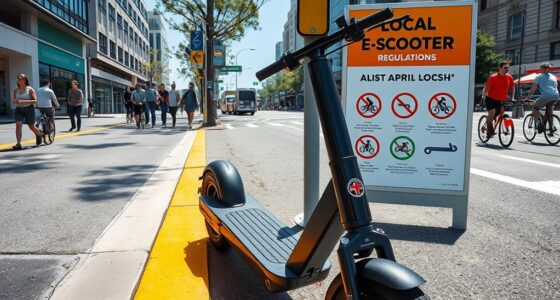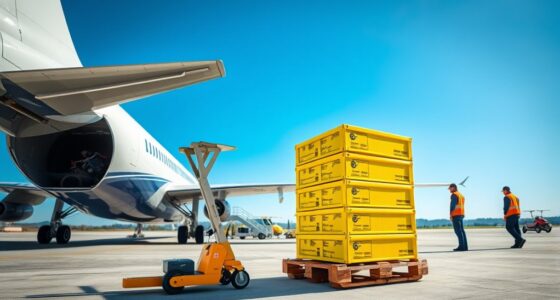

Export restrictions on e-bike batteries exist mainly because of safety concerns like fire hazards from lithium-ion cells. Governments require strict testing, certification, and proper packaging to prevent accidents during transit. These rules can lead to delays, extra costs, and complex shipping processes. Different countries have varying standards, making compliance essential to avoid penalties. If you keep exploring, you’ll discover more about how these safety measures impact your shipments and options.
Key Takeaways
- Export restrictions aim to prevent fire hazards from lithium-ion batteries during transit and handling.
- Compliance with international safety standards and testing is required for battery shipment approval.
- Regulations may prohibit air freight or mandate specialized packaging to ensure safety during transport.
- Different countries enforce varying rules, making compliance essential to avoid delays or penalties.
- Stricter safety standards can lead to longer lead times and increased costs for manufacturers and importers.
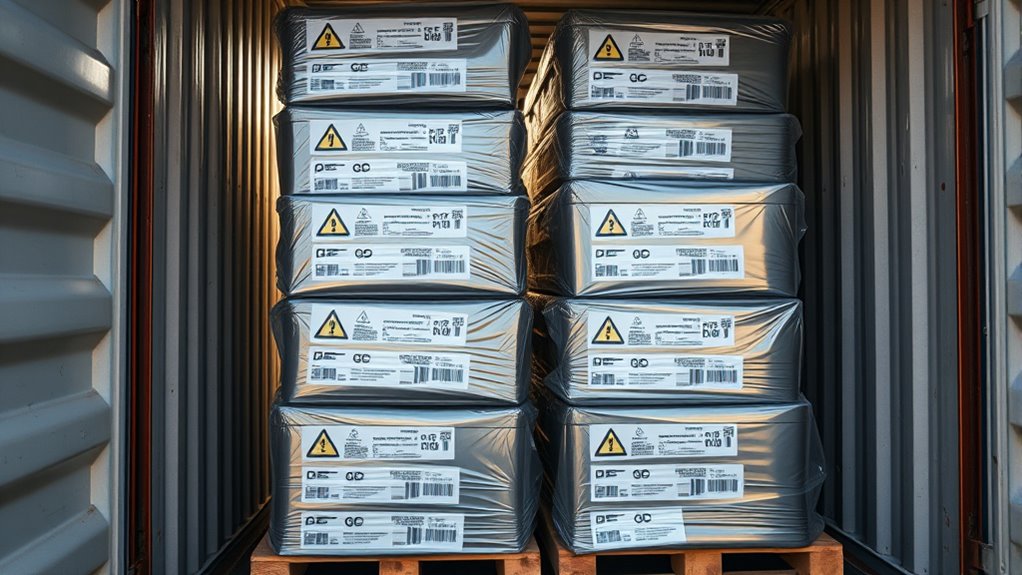
Export restrictions on e-bike batteries are increasingly impacting manufacturers and consumers worldwide. As someone involved in the e-bike industry or simply considering a purchase, you need to understand how these restrictions are shaped by concerns over battery safety and the evolving landscape of international regulations. Governments and regulatory bodies are imposing tighter controls to prevent accidents and ensure that batteries meet strict safety standards before crossing borders. These measures aim to minimize risks associated with lithium-ion batteries, which are known to pose fire hazards if improperly handled or damaged during transit. Consequently, manufacturers must comply with these safety protocols, which can involve extensive testing, certification, and documentation, all of which can delay shipments and increase costs. Additionally, the safety standards imposed can vary significantly between countries, necessitating thorough compliance checks for international trade. International regulations play a vital role in shaping export policies regarding e-bike batteries. Different countries have their own rules, and charting this complex web can be challenging. For instance, some nations enforce prohibitions on the transport of lithium-ion batteries via air freight unless they meet specific safety criteria. Others may require batteries to be shipped only in certain packaging or to have built-in protective features that prevent short circuits or thermal runaway. These regulations are designed to protect consumers and transport personnel but also add layers of compliance for manufacturers. If you’re importing or exporting e-bike batteries, you’ll need to stay up-to-date on these rules to avoid penalties, delays, or confiscation of shipments. Battery safety remains at the forefront of international regulatory efforts. Authorities are increasingly scrutinizing packaging, labeling, and safety features to ensure batteries are resilient during transit. This means that manufacturers are compelled to adopt higher safety standards, which can involve redesigning batteries to include better thermal management systems or more robust casing. For consumers, this focus on safety means that the batteries you purchase are less likely to be defective or pose safety risks, but it also means that the supply chain might be affected by longer lead times and higher prices. Staying informed about the current regulations helps you better understand potential delays and guarantees you’re purchasing compliant, safe e-bike batteries.
Frequently Asked Questions
How Do Export Restrictions Vary by Country?
You need to recognize that export restrictions vary by country, affecting international trade and policy compliance. Some nations impose strict limits on e-bike batteries to protect safety or local industries, while others have more relaxed rules. To stay compliant, you should research each country’s regulations, understand their policies, and adapt your export practices accordingly. This helps ensure smooth international trade and avoids legal issues related to export restrictions.
Are There Specific Certifications Required for Exporting E-Bike Batteries?
You need to guarantee your e-bike batteries meet specific certification standards for safe export. These standards focus on battery safety and often require compliance with international or country-specific certifications like UN 38.3 or IEC standards. By obtaining these certifications, you demonstrate your batteries are safe for handling and transport, helping you avoid delays or legal issues during export. Always check the destination country’s requirements before shipping to ensure full compliance.
What Penalties Exist for Violating Export Restrictions?
Imagine crossing a busy street without looking—violating export restrictions can lead to serious penalties. Enforcement is strict; you face hefty fines, license revocations, or even criminal charges for violating export laws. The legal consequences are severe, and authorities actively monitor and penalize offenders. To avoid trouble, stay informed about export rules and guarantee compliance, because the costs of penalties enforcement aren’t worth risking your business or reputation.
How Can Companies Navigate Complex International Regulations Effectively?
To navigate complex international regulations effectively, you should prioritize trade compliance by staying updated on regulatory standards across different countries. Regularly consult with legal experts and trade advisors to understand specific export requirements. Implement robust compliance programs, train your staff, and utilize technology to monitor changes. This proactive approach helps you avoid penalties, guarantees smooth cross-border transactions, and maintains your company’s reputation in global markets.
Are There Exemptions for Certain Types of E-Bike Batteries?
You might wonder if there are exemptions for certain battery types. Yes, some batteries, based on their chemistry or capacity, qualify for exemption criteria under specific regulations. To determine if your e-bike batteries qualify, review the exemption criteria thoroughly, which often include factors like battery type, size, and safety features. Always stay updated on the latest rules, as exemptions can change with new safety standards and international agreements.
Conclusion
Think of export restrictions on e-bike batteries as the gates of a guarded castle. Just as the guards control who enters and leaves, regulations ensure batteries stay safe and compliant. By understanding these rules, you’re like a traveler who respects the castle’s gates, avoiding unnecessary detours. Managing these restrictions carefully keeps your journey smooth and secure. Remember, mastering this allegorical gatekeeper helps you deliver your batteries successfully, without getting caught in unintended traps.