
TL;DR
A recent incident involved an EV renter who was billed $418 after charging at a dealership’s public charger. The event highlights potential issues with EV charging fees and transparency, sparking widespread attention.
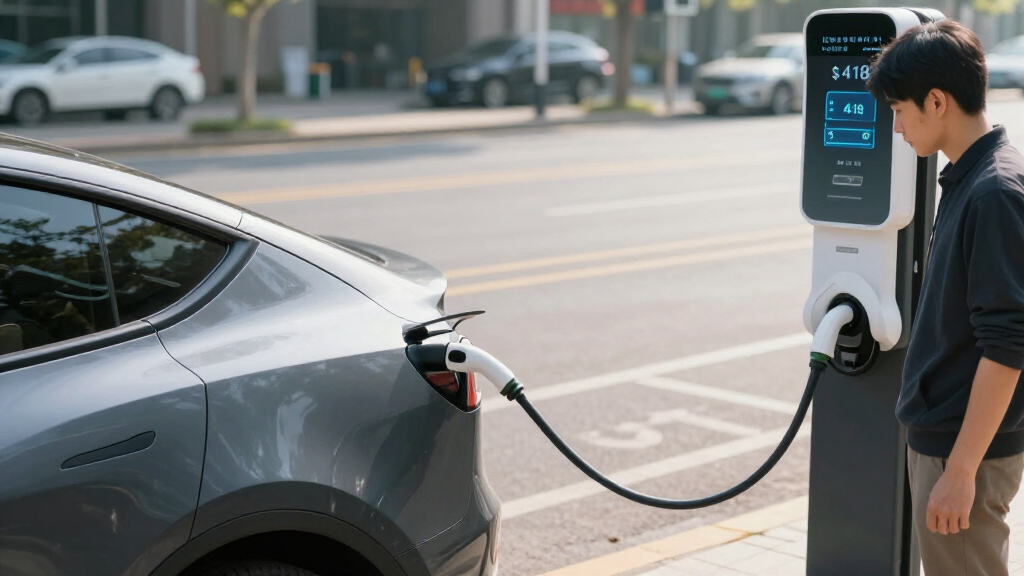
An electric vehicle (EV) renter was billed $418 after charging at a dealership’s public charging station, according to reports. The incident has drawn attention to the transparency and fairness of EV charging fees, especially at dealership-owned stations. The renter, whose identity has not been disclosed, used the station on a recent trip, only to discover the high bill afterward, prompting questions about how charging costs are calculated and communicated.
The incident was first reported by the EV user on social media, who shared a screenshot of the bill showing a charge of $418 for a single charging session. The user claimed they only intended to top up their EV and were unaware of any additional fees. The dealership involved has not yet issued an official statement, and it is unclear whether this was an isolated case or part of a broader issue with pricing at that location.
Experts note that EV charging costs can vary widely depending on the provider, location, and billing policies. Some stations, especially those operated by dealerships or private entities, may impose higher fees or have complex billing structures. However, a bill exceeding $400 for a standard top-up is highly unusual and has raised concerns among EV owners and consumer advocates. The bill’s details suggest that the renter was charged a high per-kilowatt-hour rate or possibly a flat fee that was not clearly disclosed beforehand.
Implications for EV Charging Transparency and Costs
This incident underscores ongoing concerns about the transparency of EV charging fees and the potential for unexpected, high charges to consumers. As EV adoption increases, more drivers rely on public chargers, including those at dealerships, which may not always have clear pricing. Such cases could impact consumer trust and influence EV adoption if drivers perceive hidden or excessive charges. It also raises questions about the regulation and oversight of charging station billing practices, especially at private or dealership-operated sites.
As an affiliate, we earn on qualifying purchases.
Growing Attention to EV Charging Cost Transparency
As electric vehicle sales continue to rise, the availability of public charging infrastructure has expanded rapidly, with many stations operated by third-party providers, automakers, and dealerships. While most charging stations display clear pricing, there have been increasing reports of confusion and disputes over fees. Notably, some high-profile incidents involve unexpectedly large bills, prompting calls for better regulation and consumer protections. The recent incident adds to this trend, occurring amid increased media and consumer interest in EV charging costs, driven by rising fuel prices and the push for cleaner transportation options.
As an affiliate, we earn on qualifying purchases.
Details of the Billing Dispute and Dealer Response Unclear
The specifics of the billing, including whether the $418 charge resulted from a billing error, a high per-kilowatt-hour rate, or an undisclosed flat fee, have not been confirmed. The dealership involved has not issued a public statement, and details of the charging session, such as the amount of electricity used, remain unknown. It is also unclear if this incident is isolated or indicative of a broader issue with similar charging stations.
As an affiliate, we earn on qualifying purchases.
Investigation and Clarification of Charging Fees Expected
Regulatory agencies and consumer protection groups are expected to investigate the billing practices at the dealership’s charging station. The dealership may face inquiries, and consumers are advised to review their bills carefully. Future developments could include policy changes or regulations aimed at ensuring transparent and fair EV charging costs, particularly at private and dealership-operated stations. The incident is likely to lead to increased scrutiny of pricing disclosures across the industry.
As an affiliate, we earn on qualifying purchases.
Key Questions
Why was the bill so high for a single charging session?
The exact reason is not confirmed. Possible factors include a high per-kilowatt-hour rate, a flat fee, or undisclosed additional charges. An investigation is ongoing to clarify the billing details.
Is this a common issue with EV charging stations?
While most public chargers display clear prices, there have been increasing reports of confusion and disputes over fees, especially at private or dealership stations. Bills as high as $418 are uncommon and unusual.
What should consumers do if they face unexpected charges?
Consumers should review their bills carefully, request detailed explanations from the charging provider, and report discrepancies to consumer protection agencies or regulators. Keeping records of charging sessions can be helpful.
Are there regulations governing EV charging fees?
Regulations vary by region, but there is growing emphasis on clearer disclosure and oversight. Some jurisdictions are considering or implementing rules to protect consumers from hidden or excessive charges.
Will this incident lead to changes in charging station policies?
It is possible. Industry stakeholders and regulators are monitoring the case, and it may prompt reforms to improve transparency and fairness in EV charging costs.
Source: rss