
TL;DR

Get bike and ride gear delivered free with Prime
- Fast, free delivery on millions of items
- Prime Video, Amazon Music and more included
- Member-only deals all year
A $2 billion battery factory has begun production, supplying battery cells to Tesla and Toyota. This development boosts EV supply chain capacity and signals increased industry investment.
A $2 billion battery manufacturing plant has officially begun production, supplying battery cells for Tesla and Toyota. This facility represents a major investment in the EV supply chain and aims to meet rising global demand for electric vehicle batteries.
The factory, located in [location], was built over the past two years with a $2 billion investment. It is now producing large-format lithium-ion cells, with initial output intended primarily for Tesla and Toyota. The plant’s capacity is expected to significantly increase the supply of EV batteries, helping automakers meet their production targets amid global supply chain constraints.
Officials from the company behind the plant confirmed that the facility is operational and producing batteries at scale. The plant employs advanced manufacturing techniques, including automation and clean energy integration, to boost efficiency and reduce environmental impact. The factory is also part of a broader strategic move by the company to establish a domestic supply chain for EV batteries, reducing reliance on imports.
Strategic Impact on EV Battery Supply Chain
This new factory is a key step in expanding domestic battery manufacturing capacity, which is critical for automakers like Tesla and Toyota to meet their EV production goals. It also signals increased investment in battery technology and manufacturing infrastructure, which could influence global supply chain dynamics and pricing. The facility’s scale and output are expected to help stabilize battery prices and reduce supply bottlenecks, supporting the broader shift toward electric mobility.
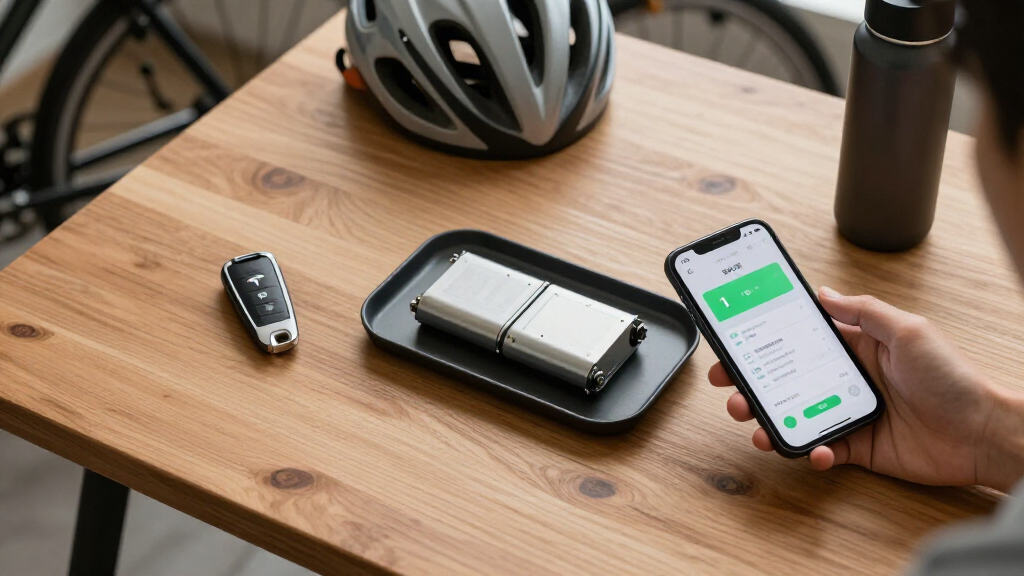
large lithium-ion EV battery cells
As an affiliate, we earn on qualifying purchases.
As an affiliate, we earn on qualifying purchases.
Recent Trends in EV Battery Manufacturing Expansion
Over the past few years, automakers and battery producers have ramped up investments in domestic manufacturing to address supply chain disruptions and meet rising EV demand. Several major plants have been announced or built, but few have reached operational status at this scale. The $2 billion factory is among the largest investments in battery manufacturing in recent years, reflecting the industry’s push toward self-sufficiency and technological innovation.
Prior to this, Tesla announced plans for multiple gigafactories, while Toyota has increased its investment in solid-state battery research. This factory’s launch aligns with industry trends toward large-scale, localized production to reduce costs and improve supply reliability.
As an affiliate, we earn on qualifying purchases.
Details on Production Capacity and Long-term Output
While the factory is confirmed to be operational, specific details about its long-term production capacity, total output, and the exact timeline for scaling up remain unclear. Industry sources suggest initial production levels are promising, but full capacity targets have not been publicly disclosed.
Additionally, it is not yet confirmed how much of the battery cells will be allocated to Tesla versus Toyota over the coming years, or if the plant will supply other automakers as well.
electric vehicle battery manufacturing equipment
As an affiliate, we earn on qualifying purchases.
As an affiliate, we earn on qualifying purchases.
Expected Milestones and Expansion Plans for the Factory
In the coming months, the factory is expected to ramp up production volume and potentially announce further capacity expansions. Automakers will monitor the plant’s output to gauge its impact on their supply chains. The company behind the plant may also reveal future investment plans or new technology integrations aimed at further improving battery efficiency and sustainability.
As an affiliate, we earn on qualifying purchases.
Key Questions
What types of batteries is the factory producing?
The factory is producing large-format lithium-ion battery cells intended for electric vehicles, primarily for Tesla and Toyota.
How much did the factory cost to build?
The construction and development of the factory involved an investment of approximately $2 billion.
When did the factory start production?
The factory is now operational as of late 2023, with initial production confirmed to be underway.
Will this factory supply other automakers?
While initial supply is focused on Tesla and Toyota, there is potential for the factory to supply other automakers in the future, though specific plans have not been disclosed.
Source: rss
Halloween Picks
halloween
As an affiliate, we earn on qualifying purchases.