TL;DR

Get bike and ride gear delivered free with Prime
- Fast, free delivery on millions of items
- Prime Video, Amazon Music and more included
- Member-only deals all year
A local workflow can transform a single video into all the assets needed for publishing across platforms—thumbnails, captions, clips, articles—without relying on cloud services. This approach boosts privacy, reduces costs, and speeds up production, making content creation faster and more controlled. You can learn more about electric vehicle technology and related innovations.
Imagine finishing a video and instantly having a full set of promotional assets—titles, snippets, social posts, articles—ready to publish. No waiting for cloud servers, no subscription fees, just fast, private automation. That’s the promise of a local automation system that turns one video into a complete content package.
In this article, I’ll show you how this works—what it can produce, how it saves time, and what tradeoffs come with it. Spoiler: it’s a game changer for solo creators, small teams, and anyone tired of cloud dependence slowing down their workflow.
Key Takeaways
- A local, no-cloud publishing system can generate a complete set of assets—titles, clips, articles—from a single video, saving hours and reducing manual work.
- Processing on your own hardware speeds up turnaround times and boosts privacy, especially for sensitive content.
- Automation tools now produce multi-format assets—social snippets, transcripts, thumbnails—without needing external servers or recurring fees.
- Review interfaces give you full control and transparency, making it easy to tweak and approve assets before publishing.
- While setup requires decent hardware and some initial effort, the long-term benefits include cost savings, faster publishing, and total ownership of your content.
As an affiliate, we earn on qualifying purchases.
What ‘Without the Cloud’ Really Means for Your Workflow
‘Without the cloud’ means all processing happens on your local machine—no data leaves your device. It’s like having a mini media factory right on your desk. For creators, that’s a huge shift: your videos, captions, thumbnails, and social content get built directly on your hardware.
Take the example of a YouTuber who wants to upload a new video. Instead of uploading to a cloud service, waiting for processing, and then downloading assets, they drop the raw file into a local tool. It analyzes, captions, clips, and drafts social posts—all offline. The result? Faster turnaround, better privacy, and zero recurring fees. For more insights, visit chargeuphome.com about EV tech.
This approach matters because it fundamentally changes the control and security of your content. Cloud services often mean entrusting your raw footage and metadata to third parties, which can pose privacy risks and lead to ongoing costs. Local workflows eliminate these concerns, giving you immediate access and full ownership. However, this shift also requires more technical setup and hardware investment upfront, and it may limit the scalability or cloud-based collaboration features that some creators rely on. The tradeoff is between control and convenience; for many, the privacy and speed benefits outweigh the initial complexity.

As an affiliate, we earn on qualifying purchases.
From One Video to a Multi-Format Publishing Army in Minutes
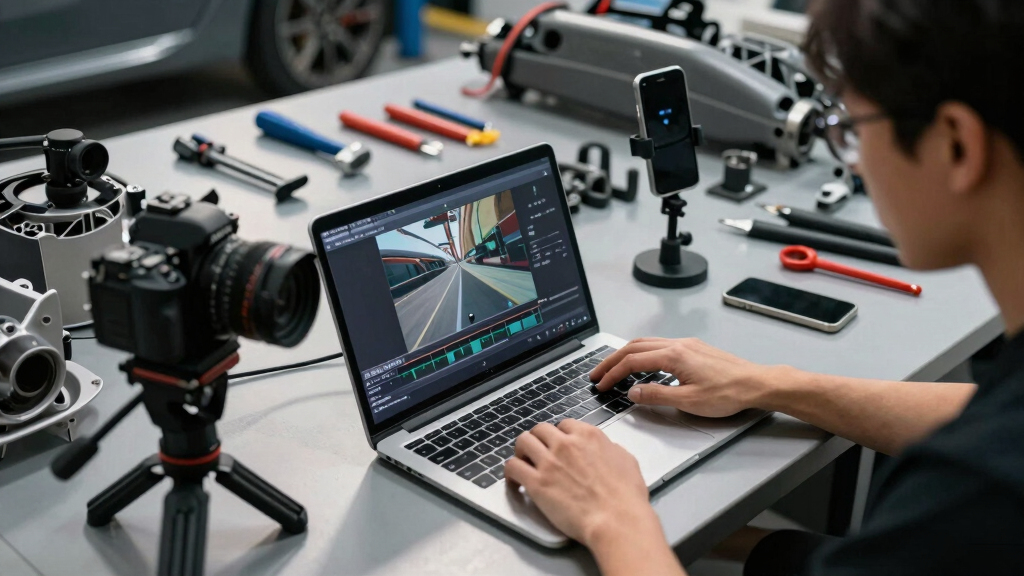
One video, dozens of assets. That’s the core promise. When you feed a single file into a local automation tool, it can produce:
- Multiple social media snippets—vertical reels, short clips, teaser trailers
- Captions and transcripts for accessibility and SEO
- Thumbnails and title options based on AI-driven hooks
- Blog drafts and newsletter summaries
- Platform-specific posts tailored for YouTube, TikTok, Instagram, LinkedIn, and more
This process isn’t just about speed; it’s about strategic efficiency. By automating the generation of diverse formats, creators can tailor content precisely for each platform’s audience and algorithm, increasing engagement without extra manual effort. Learn more about automotive DIY guides for related automation tips. The implications are significant: it democratizes multi-platform publishing, allowing small teams or solo creators to compete with larger productions. Yet, this also involves trusting AI to understand context and audience preferences, which can sometimes lead to mismatches or require manual adjustments. The key is balancing automation with oversight—using AI to handle repetitive tasks while maintaining creative control over the final assets.
As an affiliate, we earn on qualifying purchases.
Local AI vs Cloud AI: Which Works Faster, Safer, Cheaper?
Local AI workflows are often faster and more private than cloud-based options. Instead of waiting for uploads and server queues, processing occurs directly on your machine. This reduces latency and minimizes the risk of data breaches, which is especially crucial when handling sensitive or proprietary content. The tradeoff, however, is that local hardware must be sufficiently powerful to perform complex AI tasks efficiently. For example, a high-end GPU can drastically cut processing times, but such hardware can be costly upfront. Conversely, cloud AI services often leverage massive data centers with advanced models, providing higher accuracy and scalability at the expense of ongoing subscription fees and potential privacy concerns.
Understanding these tradeoffs helps creators decide what’s best for their needs. If privacy and speed are paramount—say, for confidential client projects or sensitive topics—a local workflow offers clear advantages. But for large-scale processing or access to the latest AI models without hardware investment, cloud services might still be preferable. Ultimately, the decision hinges on balancing cost, control, and performance—recognizing that the right choice varies depending on the project and resources available.

social media video snippets generator
As an affiliate, we earn on qualifying purchases.
As an affiliate, we earn on qualifying purchases.
How a Local Publishing Kit Cuts Your Repetitive Work to Zero
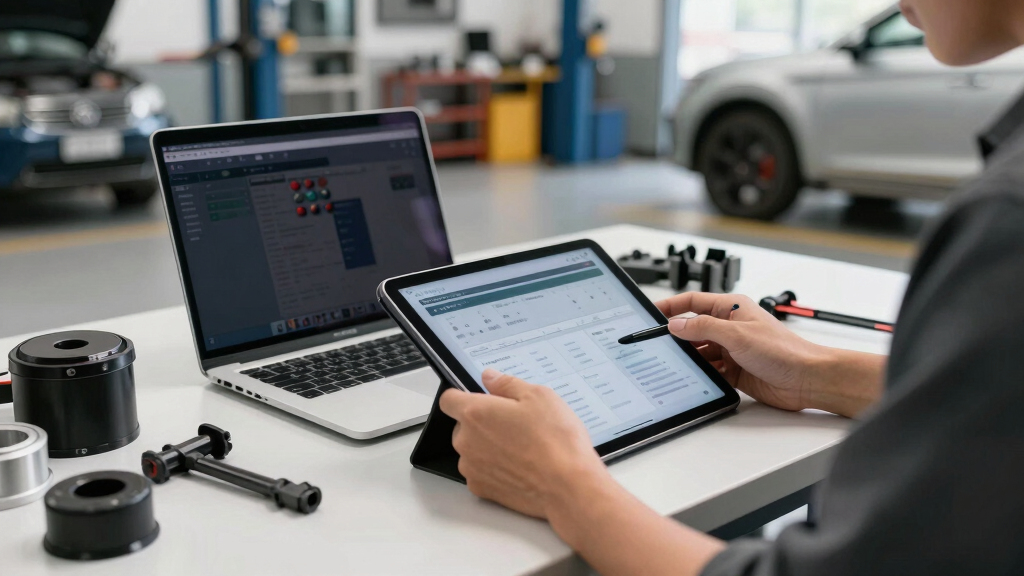
The magic lies in automation. Once you set up your local publishing system, it takes a single input—a video—and produces all necessary assets with minimal manual intervention. Check out DIY automation guides for detailed setup tips. This isn’t just about convenience; it fundamentally alters your workflow by reducing human error, freeing up creative energy, and enabling rapid iteration. For example, after completing a 10-minute explainer, the system can automatically generate multiple social snippets, a comprehensive blog draft, several thumbnail options, and transcripts—all ready for review. The key benefit is speed: it allows creators to focus on refining their content rather than redoing repetitive tasks. The tradeoff is that initial setup and configuration can be complex, requiring familiarity with the tools and some technical know-how. However, once established, this automation pipeline significantly accelerates content production, especially when managing multiple projects or daily output. It transforms a tedious process into an efficient, almost hands-free operation, empowering creators to scale their output without sacrificing quality.
What’s Included in a ‘Whole Publishing Kit’ and Why It Matters
A ‘publishing kit’ is a bundle of assets ready for upload and promotion. It includes titles, descriptions, clips, thumbnails, transcripts, and social posts—everything tailored for each platform. Automating its creation from a single source video ensures consistency and saves time. For example, a tech reviewer’s video can generate SEO-optimized titles and descriptions, vertical clips for TikTok and Instagram Reels, detailed blog drafts with embedded videos, and social media posts with hashtags and tagging suggestions. This integrated approach not only streamlines publishing but also enhances brand coherence and audience targeting. It prevents the common pitfall of disjointed content, where assets are manually assembled and often inconsistent. The tradeoff is reliance on AI-generated suggestions, which may need human refinement to match tone and style. The long-term benefit is a cohesive, efficient publishing process that scales seamlessly as content volume grows, allowing creators to maintain high standards without increasing workload.

The Review Stage: Your Control Panel, Not a Black Box
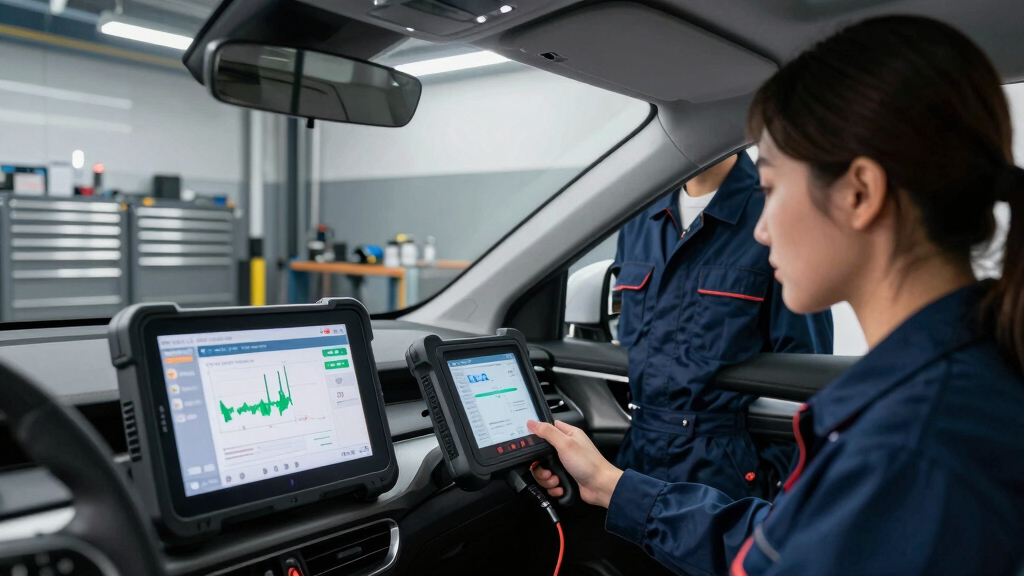
The review interface in a local publishing tool functions as your control dashboard, providing transparency and flexibility. It displays all generated assets—titles, clips, thumbnails, articles—allowing you to approve, edit, or regenerate each component. This granular control ensures that AI outputs align with your creative vision before publishing. For instance, you might like the AI-suggested title but want to adjust the thumbnail to better fit your branding. The system’s real-time updates and progress indicators keep you informed about each step—transcriptions completing, visuals ready, insights generated—so you’re never in the dark. This transparency prevents the frustration of waiting for cloud processing or discovering errors post-publication. It also fosters a collaborative relationship between creator and tool, where automation handles the heavy lifting but the creator maintains ultimate control. The tradeoff is that mastering the interface and understanding AI suggestions requires some learning, but the payoff is a more efficient, responsive workflow that enhances quality and confidence.
Ownership, Privacy, and Control: Why Local Matters
When your tools run locally, you retain full ownership of your media assets. No third-party servers store your raw footage or metadata, reducing risks of data breaches or leaks. This level of control is especially vital for sensitive or proprietary content—such as client projects, research, or confidential business videos—where privacy isn’t just a feature but a necessity. Beyond security, local workflows prevent vendor lock-in, giving you freedom to modify or upgrade your tools without relying on external services. This independence also means no surprise costs from cloud storage or API usage, which can escalate unexpectedly. The tradeoff involves investing in hardware and maintaining the software environment, but for many creators, the peace of mind and control over their content outweigh these costs. In an era where data privacy concerns are increasingly prominent, choosing local workflows aligns with a broader ethic of ownership and security, empowering creators to manage their assets autonomously and confidently.
What You Need to Make It Happen: Hardware, Setup, and Tradeoffs
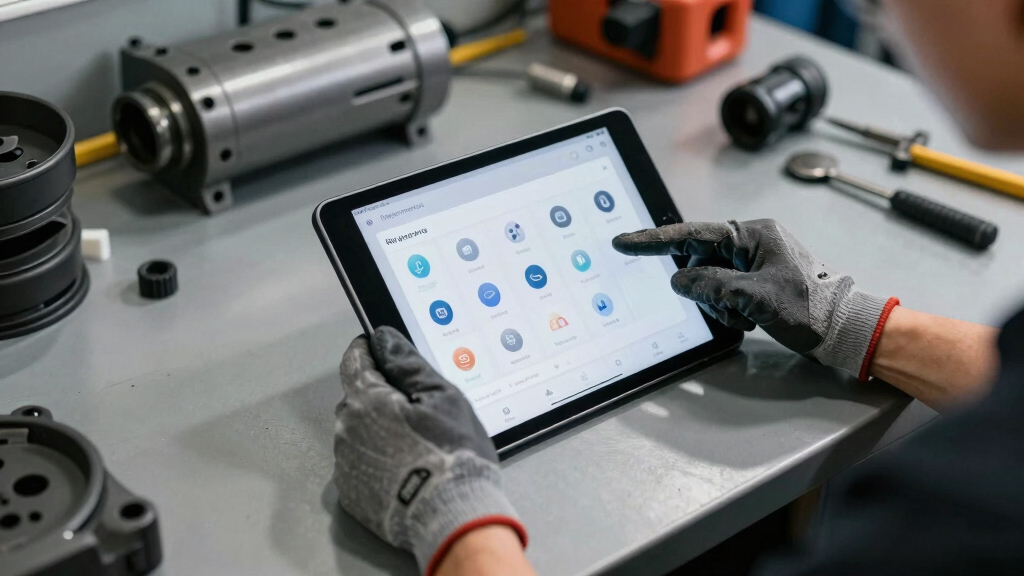
Running a full local publishing kit requires a capable machine—think a modern desktop or powerful laptop with a decent GPU. For example, a recent gaming PC or workstation can handle everything from AI processing to video editing. The initial setup involves installing specialized software, configuring workflows, and possibly training or fine-tuning AI models to suit your content style. While this process demands technical familiarity, it offers long-term benefits: faster processing, enhanced privacy, and no ongoing subscription costs. The hardware investment can be significant, especially if you aim for high performance, but it pays off in speed and control. Additionally, ongoing updates and community support can help optimize your setup over time. The tradeoff is the upfront effort and expense versus the ongoing convenience and security of a self-contained system. For dedicated creators, this investment is often justified by the increased efficiency and ownership of their content pipeline.

Why This Shift Matters in the Bigger Picture
The move toward local, AI-powered publishing tools reflects a broader trend: creators want more control, less dependence, and faster results. As tools become more modular and capable, the old cloud-only models start to feel clunky and restrictive. This shift empowers creators to operate independently, reduce reliance on external platforms, and safeguard their intellectual property. It also aligns with growing concerns about data privacy and security, especially as content becomes more valuable and sensitive. By adopting local workflows, creators can streamline their processes, reduce delays, and maintain greater oversight of their assets. Industry leaders recognize that speed and privacy are no longer optional but essential for sustainable content creation. This evolution signifies a move toward a more resilient, self-reliant creator economy, where control over the entire content pipeline is a competitive advantage and a safeguard against external disruptions.
Frequently Asked Questions
How much hardware do I need for a local publishing kit?
A recent mid-range gaming PC or a workstation with a dedicated GPU can handle most tasks. Look for a machine with at least 16GB RAM and a modern GPU (like an RTX 3060 or better) for smooth AI processing.
Can I still publish to multiple platforms without the cloud?
Absolutely. The local system generates platform-specific assets—like vertical clips for TikTok or blog drafts—that are ready for upload. You just transfer or upload them manually, but all the heavy lifting happens offline.
Is there a learning curve involved?
Yes, setting up and customizing a local workflow takes some effort upfront. However, once configured, it becomes an intuitive process that saves hours in the long run.
Does this work with all types of videos?
Most standard formats—MP4, MOV—work well. Highly specialized or raw footage might need additional configuration, but typical YouTube or social clips are straightforward.
Are there recurring costs or is it a one-time purchase?
Most local tools require a one-time purchase or a perpetual license. There might be optional paid updates, but no mandatory subscription fees for core functionality.
Conclusion
Going local with your publishing workflow isn’t just about avoiding cloud costs—it’s about reclaiming control, speeding up your process, and protecting your content. With a one-time setup, you get a mini media factory that works for you, quietly, efficiently, and privately.
Imagine finishing a video and pushing out a full suite of assets in minutes. That’s the future—faster, smarter, and more private. The question isn’t whether you should go local; it’s whether you’re ready to take your content game to the next level.

Halloween Picks
halloween
As an affiliate, we earn on qualifying purchases.