TL;DR

Get bike and ride gear delivered free with Prime
- Fast, free delivery on millions of items
- Prime Video, Amazon Music and more included
- Member-only deals all year
Riders paused before the start of Il Lombardia and issued a statement calling for safer racing, particularly stronger controls on non-race vehicles on courses. The protest followed recent incidents and the death of Finlay Tarling; organisers’ association AIOCC said it shared riders’ safety concerns but regretted not being consulted beforehand. Whether the protest leads to specific changes or further action is not yet clear.
Riders at Il Lombardia paused before the race on Saturday and issued a statement demanding safer conditions, particularly better control of non-race vehicles on courses. The action came after recent incidents involving vehicles at Italian races and the August death of Finlay Tarling, putting pressure on the UCI and race organisers to address road safety.
The riders’ statement said cyclists race at high speed with little protection and rely on the UCI and race organisers to secure routes. It referred to Tarling’s death as a fatal example of the kind of failure the riders said must stop. The statement was shared by riders including Tom Pidcock and Ben Healy.
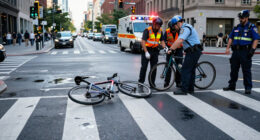
The immediate concern was non-race vehicles on courses. The Cycling Weekly report said vehicle incidents had occurred at two Italian races in the week before Il Lombardia. It also reported that two of Pidcock’s teammates had been hit by a police motorbike at Tre Valli Varesine, and that the protest was reportedly organised in the week before Lombardia.
The protest was organised by riders themselves, outside the auspices of the riders’ union, the CPA, according to Cycling Weekly. The report described the statement as measured but angry. Tarling’s father, Michael, welcomed the protest on social media, the outlet reported.
Pressure for Safer Race Routes
The protest made rider safety a visible collective issue rather than an individual complaint. Riders depend on organisers and governing bodies to manage road access and race operations, while competing at speed with limited physical protection. The incidents cited in the statement, and Tarling’s death, give the demands immediate weight.
Collective action may increase pressure on the UCI and race organisers to make practical changes. The Cycling Weekly opinion piece argued that riders can use their public profile and, potentially, their willingness to withdraw their labour to press for action. That is the writer’s assessment, not evidence that riders have agreed to further protests or that any policy changes have been adopted.
Popular right now

Samsung 75-Inch The Frame Pro 4K Neo QLED Smart TV (QN75LS03FW)

KitchenAid Artisan 5-Quart Tilt-Head Stand Mixer, Blue Velvet

Dreame X60 Max Ultra Complete Robot Vacuum and Mop
As an affiliate, we earn on qualifying purchases.
Incidents Behind the Protest
The riders’ statement linked its demands to the August death of Finlay Tarling and to vehicle incidents at Italian races the week before Il Lombardia. The supplied report does not provide further details about the circumstances of Tarling’s death or the incidents, so those specifics cannot be independently described here.
After the protest, the International Association of Cycling Race Organisers (AIOCC) responded publicly. It said it understood riders’ concerns and supported their safety, while objecting that the protest had taken place without prior consultation between organisers and riders’ unions. The disagreement highlights both the shared stated concern about safety and a difference over how discussions should be conducted.
“Riders race at high speed with little protection, and we depend on the UCI and race organisers to secure the roads. That responsibility is not being met.”
— Riders’ statement, shared by Tom Pidcock and Ben Healy among others
No Safety Measures Yet Confirmed
The supplied report does not identify any specific safety measures agreed after the protest, nor does it say whether the UCI or race organisers have committed to a timetable for changes. It is also unclear whether riders plan further collective action or whether the protest will lead to formal talks.
The report says the action was organised outside the CPA, but gives no account from the union about its role or response. Details about the cited vehicle incidents and the circumstances of Tarling’s death are not provided in the supplied material.
Calls for Concrete Follow-Up
The next step is not specified in the report. Riders’ demands now place the UCI and race organisers under pressure to explain how they will secure courses and prevent non-race vehicles from entering riders’ paths.
AIOCC has called for cooperation with riders and their unions, but no meeting or formal process is confirmed. Whether the Il Lombardia protest becomes the start of sustained action will depend on what discussions follow and whether they produce visible safety changes.
Key Questions
What did riders do before Il Lombardia?
They paused before setting off and released a statement demanding safer racing conditions.
What safety issue did the riders highlight?
The statement focused on non-race vehicles on race courses and the responsibility of the UCI and organisers to secure roads.
How did race organisers respond?
AIOCC said it understood riders’ concerns and stood in solidarity with them, while regretting that the protest took place without prior consultation with organisers and riders’ unions.
Have any new safety measures been announced?
The supplied report does not confirm any new measures, agreed changes, or implementation timetable.
Will riders protest again?
That remains unclear. The report argues that the protest should be a starting point, but does not confirm plans for further action.
Source: rss