
TL;DR

Get bike and ride gear delivered free — and shop member deals
- Fast, free delivery on millions of items
- Access to Prime Big Deal Days deals on October 6–7
- Prime Video, Amazon Music and more included
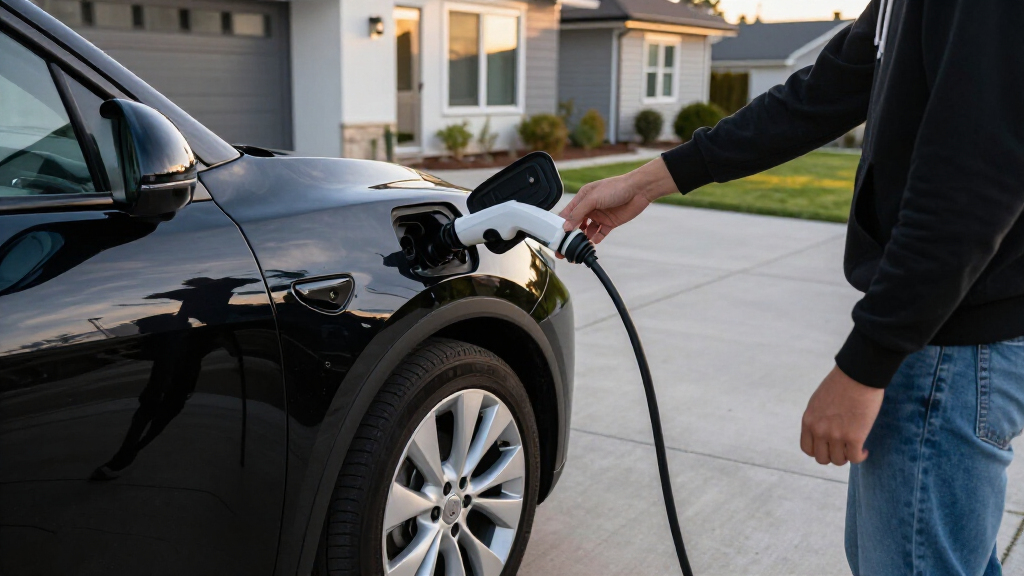
Electric vehicles are rapidly closing the price gap with traditional gas-powered cars, driven by falling battery costs and increased production. Experts see this as a clear trend that could reshape the auto industry, though specific timelines remain uncertain.
Electric vehicles (EVs) are increasingly approaching the price point of gasoline-powered cars, according to market analysts and industry reports. While exact timelines vary, experts agree that the trend is clear and accelerating, driven by declining battery costs and manufacturing efficiencies. This development could significantly influence consumer purchasing decisions and the future landscape of the automotive industry.
The observed trend shows EV prices dropping at a faster rate than many industry forecasts had predicted, with some models now available at prices comparable to entry-level gas cars. According to recent coverage from auto industry analysts, the gap is narrowing primarily due to reductions in battery costs, which constitute a large portion of EV expenses. Data from market research firms suggest that within the next few years, EVs could reach price parity with traditional internal combustion engine (ICE) vehicles across a broader range of segments.
While specific official projections remain unconfirmed, multiple sources indicate that automakers are increasingly investing in battery manufacturing and supply chain efficiencies, further driving down costs. Some industry insiders note that this convergence could lead to a rapid shift in consumer preferences, especially as government incentives and stricter emissions regulations continue to favor electric vehicles.
Implications of EV Price Parity for Consumers and Industry
The trend toward EVs matching gas car prices could fundamentally alter the automotive market. Consumers may find electric vehicles more financially accessible, increasing adoption and accelerating the shift away from internal combustion engines. For automakers, reaching price parity may mean a competitive advantage, prompting more investment in EV technology and infrastructure. Additionally, this shift could have broader environmental impacts by reducing reliance on fossil fuels and lowering emissions.
As an affiliate, we earn on qualifying purchases.
Market Trends and Technological Advances Driving Price Convergence
Over the past decade, battery technology improvements and economies of scale have significantly reduced EV costs. Industry data show that battery prices have fallen by approximately 89% since 2010, a key factor in the decreasing overall cost of EVs. Automakers such as Tesla, GM, and Volkswagen have announced plans to expand EV offerings at lower price points, aiming to reach a broader consumer base. Meanwhile, government incentives in various regions continue to support EV adoption, further incentivizing manufacturers to lower prices.
Coverage interest in this trend has surged recently, with market analysts and media outlets highlighting the potential for EVs to reach or surpass price parity with traditional cars within the next few years. However, specific projections vary, and some experts caution that supply chain disruptions or raw material costs could slow this progress.
As an affiliate, we earn on qualifying purchases.
Unconfirmed Timelines and Potential Market Disruptors
While the trend toward EV price parity is well-documented, the exact timeline remains uncertain. Industry experts differ on whether this will occur within the next two to three years or take longer due to factors such as raw material costs, supply chain constraints, and geopolitical issues. Additionally, the pace of technological breakthroughs or government policy changes could accelerate or delay this convergence.
It is not yet clear how quickly consumer acceptance will respond once prices are comparable, or how regional differences in incentives and infrastructure will influence adoption rates.
electric car battery replacement kit
As an affiliate, we earn on qualifying purchases.
As an affiliate, we earn on qualifying purchases.
Monitoring Price Trends and Policy Developments
Industry analysts will continue to track EV pricing data and supply chain developments to assess how quickly the gap narrows. Automakers are expected to announce new models aimed at cost-conscious consumers, with some already doing so. Additionally, government policies and incentives could play a critical role in either accelerating or constraining this trend.
Market watchers will also observe consumer acceptance and infrastructure expansion, which are essential for widespread EV adoption. The coming years will be pivotal in determining whether the trend toward price parity leads to a sustained shift in vehicle purchasing patterns.
As an affiliate, we earn on qualifying purchases.
Key Questions
When can consumers expect EVs to cost the same as gas cars?
While estimates vary, many industry experts believe EVs could reach price parity with gas cars within the next two to three years, depending on technological and supply chain developments.
What factors are driving the decline in EV prices?
The primary factors include falling battery costs, increased manufacturing scale, and technological improvements. Government incentives also support lower consumer prices in some regions.
Will price parity lead to higher EV adoption?
Most analysts agree that reaching comparable prices will significantly boost EV adoption, especially among budget-conscious consumers, potentially transforming the auto market.
Are there regional differences affecting EV price trends?
Yes, regions with stronger incentives, better charging infrastructure, and supply chain advantages are likely to see faster adoption and price parity than others.
Source: rss
Fall Picks
fall essentials
As an affiliate, we earn on qualifying purchases.