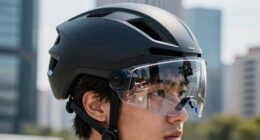
To weatherproof your commute in rain, wind, and heat, invest in waterproof gear like jackets, pants, and shoe covers, and choose breathable fabrics to stay comfortable. Use windproof layers, reflectors, and proper bike maintenance for safety, while planning your route to avoid flood-prone areas. Carry emergency rain gear and stay aware of weather forecasts to adapt quickly. If you keep exploring, you’ll discover even more tips to make your rides safer and more comfortable in any weather.
Key Takeaways
- Wear waterproof, breathable clothing with proper rain gear and moisture-wicking layers to stay dry and comfortable.
- Use windproof jackets, layered insulation, and face coverings to protect against gusts and maintain warmth.
- Install fenders, reflective elements, and ensure bike responsiveness for safety in wet, windy, or hot conditions.
- Plan routes avoiding flood-prone areas and carry quick-setup rain protection like ponchos or umbrellas.
- Combine weatherproof gear, bike adjustments, and strategic planning to ensure safe, comfortable commuting in all weather.

Commuting in all weather conditions can be challenging, but with the right strategies and gear, you can stay dry, warm, and on time no matter the forecast. When rain is falling, your first line of defense is quality rain gear. Invest in a waterproof jacket with a hood that fits snugly to keep rain from soaking through. Look for breathable fabrics to prevent overheating during strenuous rides. Waterproof pants and shoe covers are also essential, especially if you need to keep your lower half dry. These items help prevent discomfort and keep your clothes dry, making your commute more comfortable and less stressful. Incorporating moisture-wicking materials can further enhance comfort by managing sweat and reducing chafing.
Invest in waterproof gear like jackets, pants, and shoe covers to stay dry and comfortable during rainy commutes.
Wind protection is equally important when facing blustery days. A windproof jacket or vest can shield you from gusts that sap your body heat and make riding more difficult. Consider layering with thermal or insulating clothing underneath, which traps heat and keeps you warm even when the wind picks up. Wind-resistant accessories like face masks or neck gaiters can also protect your skin from chapping and help you maintain visibility if the wind kicks up dust or debris. Proper wind protection doesn’t just keep you warm—it also improves your control and stability on the bike by reducing the impact of sudden gusts.
In addition to clothing, your bike setup plays a role in weatherproofing your commute. Fenders are a simple yet effective way to keep water and mud from splashing onto you and your bike components. Reflective elements on your gear and bike boost visibility during gloomy, rainy, or windy conditions, ensuring you’re seen by drivers. Adjusting your riding style—such as reducing speed and increasing following distance—also enhances safety during adverse weather. Be sure your brakes are responsive and your tires have good tread to handle slick surfaces.
Preparing for different weather scenarios means you should also plan your route accordingly. Avoid low-lying areas prone to flooding and choose streets with better drainage if possible. Carrying a compact rain poncho or an emergency umbrella can offer quick relief if you get caught in unexpected downpours. Keeping your commute gear organized and accessible allows you to adapt swiftly to changing weather conditions, maintaining your schedule without sacrificing safety or comfort.
Ultimately, weatherproof commuting requires a mix of proper gear, bike adjustments, and strategic planning. With rain gear and wind protection in your arsenal, you’ll find it easier to face rainstorms and gusty days head-on. Staying dry and warm isn’t just about comfort—it’s about ensuring your safety and reliability, no matter what Mother Nature throws your way. Proper weatherproofing and preparation are key to making your daily ride resilient and stress-free. Prepare accordingly, and you’ll find that even the most challenging weather becomes manageable on your daily ride.
Frequently Asked Questions
How Can I Prevent My Electronics From Water Damage During Rain Rides?
To prevent water damage during rain rides, you should invest in waterproof phone cases and electronic bag protectors. These accessories keep your devices dry and safe from water exposure. Always double-check that your waterproof case is sealed tightly before riding. Additionally, store electronics in a waterproof bag protector when not in use. This simple step guarantees your gadgets stay dry, functional, and protected, no matter the weather conditions.
What Are the Best Ventilation Tips for Hot Weather Cycling?
Think of your ride like a summer breeze through a cathedral; proper ventilation strategies keep you cool. Opt for jerseys made of breathable fabrics and wear lightweight, moisture-wicking layers. Use vents or open zippers strategically to promote airflow, especially in high-sweat zones. Remember, staying hydrated and choosing clothing that encourages air circulation helps you beat the heat and enjoy your ride to the fullest.
How Do I Stay Visible in Foggy or Low-Light Conditions?
To stay visible in foggy or low-light conditions, you should wear reflective clothing that catches the light from vehicle headlights. Additionally, use bike lighting—front white lights and rear red lights—to alert drivers of your presence. Keep your lights bright and make sure they’re functioning properly. Combining reflective gear with effective bike lighting makes you more noticeable, helping you stay safe when visibility drops.
What Emergency Gear Should I Carry for Severe Weather?
Think of your emergency gear as a lifeboat in a storm. You should carry rain gear like waterproof jackets and pants, an emergency kit with first aid supplies, a flashlight, and a multi-tool. Include a high-visibility vest, a charged power bank, and perhaps a thermal blanket. These essentials help you stay safe and prepared when severe weather strikes, ensuring you’re ready to handle unexpected situations on your ride.
How Can I Protect My Bike From Corrosion in Humid Environments?
To protect your bike from corrosion in humid environments, focus on rust prevention and corrosion protection. Regularly clean your bike with fresh water and dry it thoroughly after rides, especially in wet conditions. Apply a protective wax or lubricant to metal parts, and consider using anti-corrosion sprays on exposed areas. Store your bike in a dry, sheltered spot to minimize exposure to moisture, keeping it in top condition longer.
Conclusion
Now, with these tips, you’re unstoppable—like a superhero braving storms, blazing through wind, rain, and heat as if nothing can touch you. Your bike becomes your shield, your armor against nature’s fury. No rain will soak you to the bone, no wind will knock you off course, and no heat will slow your ride. Embrace the elements with confidence—you’re not just commuting, you’re conquering the weather itself!