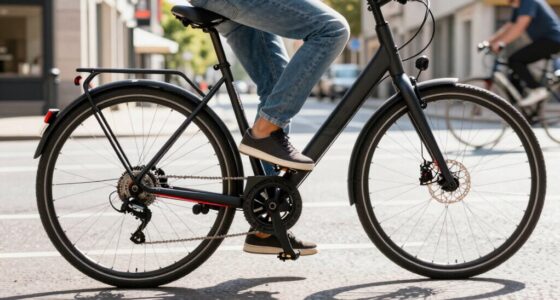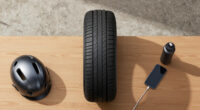
To choose a commuter e-bike for winter streets, focus on tires with deep treads, wider width, and rubber compounds that stay flexible in cold temperatures to guarantee good traction. Look for features like fenders, heated grips, and easy tire swaps for changing conditions. Don’t forget to check the battery life in cold weather since it impacts performance. If you want to discover more ways to stay safe and comfortable, keep exploring your options.

Get bike and ride gear delivered free with Prime
- Fast, free delivery on millions of items
- Prime Video, Amazon Music and more included
- Member-only deals all year
Key Takeaways
- Prioritize bikes with winter-specific tires featuring deep treads, wider contact patches, and flexible rubber compounds for optimal traction.
- Ensure the e-bike allows easy switching between tires or adding studded tires for icy conditions.
- Choose models with additional winter features like fenders and heated grips for enhanced comfort and dryness.
- Consider battery performance in cold weather, selecting bikes with reliable, long-lasting batteries suited for low temperatures.
- Balance safety, reliability, and comfort by selecting an e-bike designed for variable winter conditions and quick adaptation.

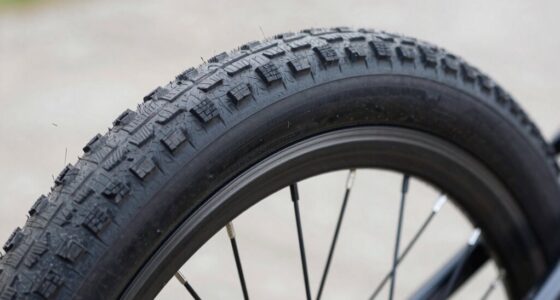
Tire traction is another critical aspect when choosing a winter-ready e-bike. You’ll need tires with deeper treads and better grip to prevent slipping on icy or snow-covered streets. Look for tires that are wider—these provide greater contact with the road, offering improved stability and control in slippery conditions. Some bikes come with tires specifically designed for winter riding, featuring rubber compounds that stay flexible in low temperatures, enhancing traction. Keep in mind that proper tire pressure also plays a role; slightly lowering pressure can increase the contact patch and improve grip on slick surfaces. Additionally, consider bikes that allow you to easily switch between different tires or add studded tires if you face ice frequently. Having reliable tire traction means you can navigate winter streets with confidence, reducing the risk of falls and making your commute safer. Incorporating tire traction into your selection process ensures a safer and more dependable ride during challenging weather conditions.
In cold weather, you should also think about other features like fenders to keep you dry and heated grips for comfort. But focusing on battery life and tire traction will give you a solid foundation for choosing an e-bike that performs well in winter. A well-chosen bike will not only help you get to work faster but also make your daily rides safer and more comfortable, even when the streets are less than ideal. By prioritizing these features, you guarantee that your winter commute is smooth, reliable, and enjoyable, no matter the weather conditions.
winter e-bike tires with deep treads
As an affiliate, we earn on qualifying purchases.
As an affiliate, we earn on qualifying purchases.
Frequently Asked Questions
How Do Winter Conditions Affect E-Bike Battery Life?
Winter conditions can markedly reduce your e-bike’s battery life due to cold weather. Cold temperatures cause the battery’s chemical reactions to slow down, decreasing its efficiency. To mitigate this, guarantee proper battery insulation and keep the battery warm when not in use. You might notice shorter rides, but with these precautions, you can maintain better battery performance and enjoy your winter commutes more reliably.
What Safety Gear Is Recommended for Winter Riding?
To stay safe in winter, you’ll want the best winter clothing to battle the cold and the right gear to avoid falling flat on icy streets. Don’t forget tire traction devices; they’re your new best friends for grip. Helmets are a must, but add reflective gear and lights to make sure you’re seen. Basically, gear up like a snow-adventurer—because slipping on ice is only funny in cartoons.
Can I Ride My E-Bike Through Snow and Ice?
You can ride your e-bike through snow and ice, but you need to be cautious. Check your tire tread—it should be deep enough to grip slippery surfaces. Also, make sure your brakes are in top condition for quick stopping. Slow down and take turns carefully, avoiding sudden movements. Using studded tires can provide extra traction, making winter riding safer and more manageable on icy or snowy roads.
How Should I Maintain My E-Bike During Winter?
To keep your e-bike in top shape during winter, regularly check and insulate your battery to prevent cold damage. Keep the battery warm by storing it indoors when not riding. Make sure your tires have good traction by choosing winter-specific tires or adding studded tires for icy conditions. Clean snow and salt from your bike after each ride to prevent corrosion. Proper maintenance helps your e-bike perform safely and reliably throughout winter.
Are There Specific E-Bike Models Better for Winter Commuting?
Yes, some e-bike models are better for winter commuting. Look for bikes with battery insulation to protect against cold temperatures and guarantee consistent power. Opt for models with tires offering superior traction, like wider or studded tires, to handle icy or snowy roads safely. These features help you stay confident and secure during winter rides, making your commute smoother and more reliable even in challenging weather conditions.
As an affiliate, we earn on qualifying purchases.
Conclusion
As you gear up for winter rides, remember that choosing the right commuter e-bike is like finding a trusted partner for the journey ahead. Prioritize durability, winter-ready features, and comfort to navigate icy streets with confidence. With the right bike, you’ll glide through snow and slush like a ship cutting through turbulent waters—steady and sure. Embrace the season’s challenges, and let your e-bike be your steadfast companion on every winter adventure.
As an affiliate, we earn on qualifying purchases.
electric bike fenders for winter
As an affiliate, we earn on qualifying purchases.
As an affiliate, we earn on qualifying purchases.
Fall Picks
fall essentials
As an affiliate, we earn on qualifying purchases.