To commute effectively with an e-bike and transit backup, keep your bike well-maintained—check tires, brakes, and chain regularly—and carry a basic toolkit for quick fixes. Familiarize yourself with transit schedules and use real-time apps to plan your routes. Carry spare batteries or chargers, and know where to park securely at transit stations. Coordinating your e-bike rides with transit arrivals minimizes wait time and stress. For practical tips to optimize your commute, explore more solutions below.

Get bike and ride gear delivered free with Prime
- Fast, free delivery on millions of items
- Prime Video, Amazon Music and more included
- Member-only deals all year
Key Takeaways
- Plan routes that seamlessly combine e-bike segments with transit options using real-time schedules or transit apps.
- Carry essential repair tools and a portable charger for quick fixes and battery recharges during rides.
- Securely park your e-bike at transit stations to avoid theft and ensure smooth transitions between modes.
- Keep transit tickets, cards, and schedules easily accessible for efficient switching between e-bike and public transit.
- Regularly maintain your e-bike to prevent breakdowns and reduce interruptions during your combined commute.

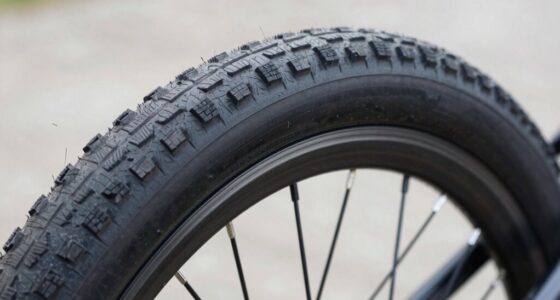
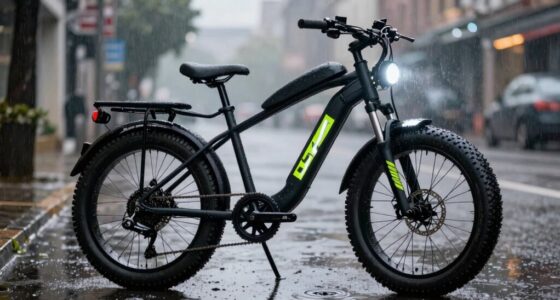
Commuting by e-bike can be a flexible and eco-friendly way to get around, especially when you also need transit backup for longer distances or bad weather. When you choose to rely on an e-bike, it’s essential to stay on top of e bike maintenance so your ride remains smooth and reliable. Regularly check the tires for proper inflation, inspect the brakes, and keep the chain well-lubricated. These simple steps prevent breakdowns, saving you time and frustration. Additionally, understanding how to quickly troubleshoot minor issues can keep your commute flowing. Having a basic toolkit or knowing where your nearest bike repair shop is can be a real lifesaver during busy mornings.
Integrating your e-bike commute with transit schedules ensures you maximize efficiency and minimize wait times. Before heading out, familiarize yourself with transit options available along your route. Many transit agencies publish real-time schedules or apps, so you can plan your trip to align with bus or train arrivals. This way, you can ride your e-bike to a transit station, park securely, and catch your connecting service without stress. Planning your route with transit schedule integration in mind helps you avoid unnecessary waiting, especially during peak hours or inclement weather. It also allows you to switch seamlessly between your e-bike and transit, making longer commutes more manageable. Keeping your bike maintenance routine up-to-date is key to avoiding unexpected issues during your journey.
To make this process smoother, consider carrying a portable charger or extra battery for your e-bike, especially if you anticipate needing to switch modes multiple times or if your route involves hilly terrain. Keep your transit card or ticket handy, and know the exact schedules of the bus or train lines you’ll be using. Some transit systems also offer integrated apps that combine transit schedules with real-time updates, making it easier to coordinate your e-bike ride with public transportation. By planning ahead and staying updated, you reduce the risk of missing connections or being stranded.
Incorporating these strategies allows you to enjoy the benefits of an e-bike while still having a reliable backup transit plan. Regular e bike maintenance ensures your ride stays dependable, and transit schedule integration keeps your overall commute efficient. When you approach your journey with preparation and awareness, commuting becomes less stressful and more sustainable. Whether it’s a short ride to the station or a longer trip across town, blending e-bike use with public transit offers a versatile and environmentally conscious way to navigate your daily routine.
As an affiliate, we earn on qualifying purchases.
Frequently Asked Questions
What Safety Gear Should I Wear on an E-Bike?
You should wear protective apparel like a helmet, gloves, and padded clothing to stay safe. Visibility accessories, such as reflective vests, lights, and bright-colored gear, make you more noticeable, especially in low light. Always prioritize safety by choosing gear that fits well and is comfortable. This way, you stay protected and visible, reducing your risk of accidents while enjoying your e-bike commute.
How Do I Plan Routes With Both E-Bike and Transit Options?
You plan routes by balancing e-bike convenience with transit flexibility. Start with route optimization: identify bike-friendly paths and transit stations nearby. Incorporate transit integration by marking where you can switch from bike to bus or train seamlessly. Use apps that combine bike and transit options, creating efficient, flexible routes. Always consider safety, timing, and convenience, ensuring your trip flows smoothly, whether pedaling or riding transit.
What Are the Best Maintenance Tips for E-Bikes?
To keep your e-bike in top shape, focus on maintaining battery longevity by charging it properly and avoiding extreme temperatures. Regularly check tire pressure—under-inflated tires can reduce efficiency and increase wear. Keep the chain clean and lubricated, and inspect brakes and gears frequently. Proper storage, gentle riding, and routine maintenance will extend your e-bike’s lifespan, ensuring reliable performance whether you’re commuting or enjoying leisure rides.
How Much Does E-Bike Commuting Typically Cost?
E-bike commuting typically costs between $0.10 and $0.30 per mile, mainly for electricity, maintenance, and insurance. You’ll want to take into account your e-bike battery lifespan, which affects replacement costs, and explore e-bike insurance options to protect your investment. Keep in mind that initial costs vary, but ongoing expenses are generally low, making e-bike commuting an affordable, eco-friendly alternative to traditional transportation.
Are There Legal Restrictions for E-Bike Use in Cities?
Yes, there are legal restrictions for e-bike use in cities. You need to follow specific E bike regulations, which vary by city. Some cities limit e-bike speed or require registration and licensing, while others only allow certain types of e-bikes on bike paths. Always check city-specific laws before you ride, ensuring you stay compliant with local rules and avoid fines or penalties.
bike repair toolkit for commuters
As an affiliate, we earn on qualifying purchases.
As an affiliate, we earn on qualifying purchases.
Conclusion
So, combining e-biking with transit is like having a trusty sidekick in your daily routine—ready to save the day when needed. With a little planning, you can enjoy the freedom of two wheels and the reassurance of backup transit. It’s a flexible, eco-friendly way to navigate your commute, making each day smoother and more enjoyable. Embrace this combo, and you’ll find your journey as seamless as a well-oiled machine.
As an affiliate, we earn on qualifying purchases.
As an affiliate, we earn on qualifying purchases.
Halloween Picks
halloween
As an affiliate, we earn on qualifying purchases.