This guide walks through choosing the right electric bike backpack and using it correctly. It’s designed for new riders or commuters who want a secure, comfortable way to carry essentials on their bike. Expect to spend about 30 to 45 minutes learning and testing your setup.

Get bike and ride gear delivered free with Prime
- Fast, free delivery on millions of items
- Prime Video, Amazon Music and more included
- Member-only deals all year
Difficulty: Beginner | Time: 30-45 minutes
What You’ll Need
Tools & Materials:
- measuring tape or ruler
- optional: basic bike tools (for adjustments)
Knowledge:
- basic understanding of bike riding and safety
- awareness of what items you want to carry
Ensure your bike is in good condition before attaching or adjusting any accessories.
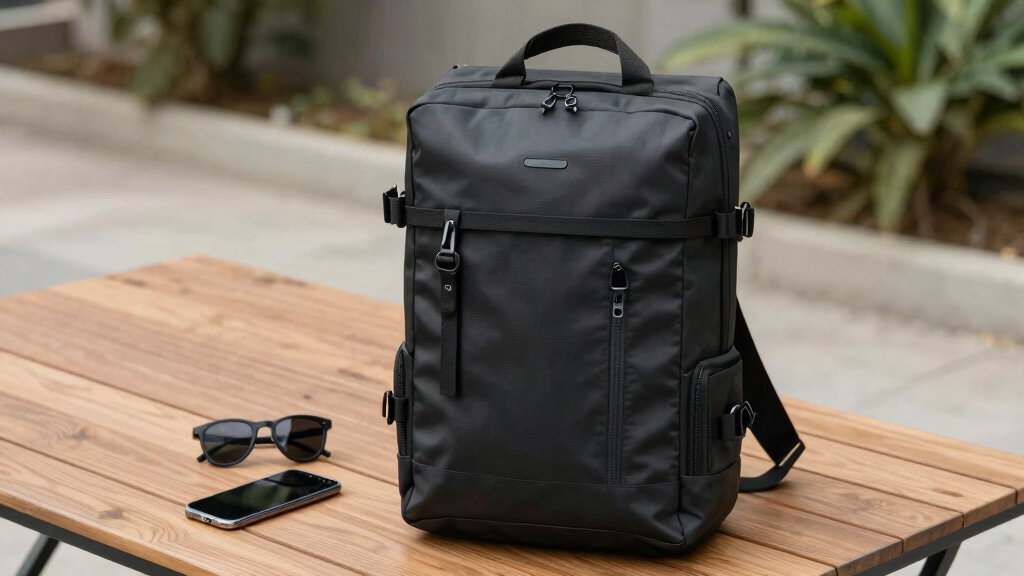
electric bike backpack with reflective strips
As an affiliate, we earn on qualifying purchases.
As an affiliate, we earn on qualifying purchases.
Before You Start
Confirm your riding route and the items you need to carry. Check the backpack’s capacity to match your gear. Avoid overloading the backpack beyond its recommended weight limit to prevent imbalance or damage.
water-resistant cycling backpack for e-bikes
As an affiliate, we earn on qualifying purchases.
As an affiliate, we earn on qualifying purchases.
Step-by-Step Instructions
Step 1: Select an appropriate backpack size
Measure the items you plan to carry, including any accessories or electronics, and choose a backpack with a capacity slightly larger than your total gear.
Tip: Look for backpacks labeled for cycling or commuting, which often include features like water resistance and multiple compartments.
Check: You have a backpack that comfortably fits all your gear with some extra room for safety and comfort.
Step 2: Inspect the backpack for safety features
Check for reflective elements, secure straps, padded shoulder straps, and a waist belt to ensure safety and comfort during rides.
Tip: Reflective patches or strips improve visibility in low light conditions, enhancing safety.
Check: Backpack has visible reflective details, secure straps, and padded support ready for use.
Step 3: Adjust the backpack straps for fit
Place the backpack on your back and tighten the shoulder straps evenly until the pack sits snugly without pinching or shifting excessively. Fasten the waist belt if available.
Tip: The backpack should sit high on your back without sagging; tighten straps gradually for a secure fit.
Check: Backpack feels stable, does not sway with movement, and is comfortable for riding.
Step 4: Load your gear into the backpack
Distribute your items evenly inside, placing heavier items closer to your back to maintain balance. Use compartments to organize small items.
Tip: Avoid overpacking or exceeding the backpack’s weight limit to prevent strain or imbalance.
Check: Items are securely stored, the pack is not overly heavy, and the weight feels balanced when worn.
Step 5: Secure the backpack to your bike if needed
If your backpack has a mounting system or you prefer to attach it for extra stability, use the bike’s rack or dedicated straps to secure it properly.
Tip: Ensure straps or clips are tight enough to prevent shifting but not so tight as to damage the backpack or bike frame.
Check: Backpack remains stable and does not sway or shift during gentle movement or riding.
Step 6: Test ride with the backpack
Take a short ride around your area, paying attention to comfort, balance, and visibility. Adjust straps or packing if necessary.
Tip: Listen for any rubbing or shifting sounds and check for discomfort or imbalance during the test ride.
Check: You feel comfortable, balanced, and confident that the backpack stays secure during a typical ride.
adjustable bike backpack with waist belt
As an affiliate, we earn on qualifying purchases.
As an affiliate, we earn on qualifying purchases.
Common Mistakes to Avoid
- Overloading the backpack beyond its recommended weight — Always check the weight limit and pack only what is necessary to avoid imbalance and strain.
- Incorrect strap adjustment causing discomfort or instability — Adjust straps gradually, ensuring a snug but comfortable fit, and test stability before riding long distances.
- Not securing the backpack properly to the bike or rider — Use all available straps and clips to lock the pack in place, preventing shifting or falling during rides.
As an affiliate, we earn on qualifying purchases.
Troubleshooting
Problem: Backpack shifts excessively during riding
Solution: Re-adjust straps for a tighter fit and ensure weight is evenly distributed inside the pack.
Problem: Items inside the backpack fall out or get damaged
Solution: Use internal compartments and secure zippers or closures. Avoid overpacking or placing fragile items loosely.
Problem: Reflective elements do not improve visibility
Solution: Add additional reflective stickers or accessories, and ensure your backpack’s reflectors are clean and properly positioned.
What Success Looks Like
The backpack fits securely without shifting, is comfortable to wear, and your gear is protected and organized. During a test ride, the pack remains stable, and you feel confident and safe.
Next Steps
Regularly check the straps and load distribution before each ride. Clean and maintain reflectors and zippers. Replace or upgrade your backpack if it shows signs of wear or no longer fits your needs.
Frequently Asked Questions
Can I carry a laptop in my electric bike backpack?
Yes, choose a backpack with a padded compartment specifically designed for laptops to protect your device during rides.
How much weight can an electric bike backpack typically hold?
Most backpacks are rated for 10-20% of your body weight; check the manufacturer’s specifications for your model and avoid exceeding the recommended limit.
Are electric bike backpacks waterproof?
Many are water-resistant, but for full protection, select a model with a waterproof rating or use a rain cover in heavy rain.
Will a backpack affect my riding balance?
If properly adjusted and not overloaded, a backpack should not significantly affect your balance. Always test and adjust before longer rides.
Halloween Picks
halloween
As an affiliate, we earn on qualifying purchases.