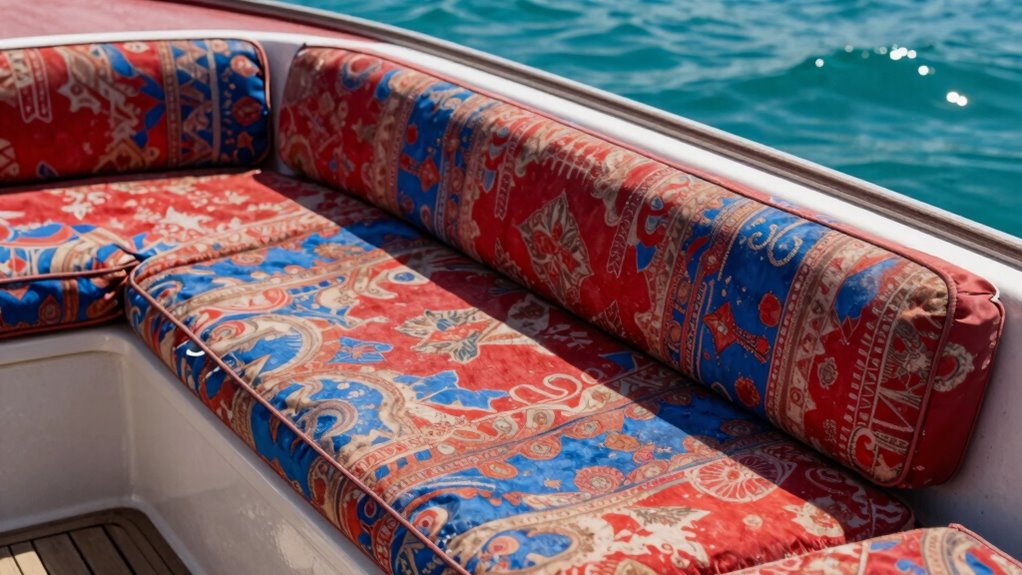

A good rear passenger cushion on a longtail offers ergonomic support, molds to your body, and features contoured design to keep you comfortable during long rides. Look for high-density foam for durability and breathable, moisture-wicking materials to prevent discomfort from sweat. Make sure it fits snugly and stays secure, with features like raised edges or lumbar support to reduce back strain. Durable, water-resistant, and easy to install cushions make your trips safer and more enjoyable—keep exploring to find out how to choose the best one.

Get bike and ride gear delivered free — and shop member deals
- Fast, free delivery on millions of items
- Access to Prime Big Deal Days deals on October 6–7
- Prime Video, Amazon Music and more included
Key Takeaways
- Provides ergonomic support with contoured design to reduce back fatigue during long rides.
- Uses durable, marine-grade materials resistant to water, salt, UV, and humidity.
- Ensures a snug fit and non-slip backing to prevent shifting during boat movement.
- Incorporates breathable, moisture-wicking padding for comfort in humid conditions.
- Is lightweight, portable, and easy to install or remove for convenience on the boat.

When it comes to longtail boats, the rear passenger cushion plays a vital role in ensuring a comfortable ride, yet many overlook its importance. A good cushion isn’t just about looking good; it’s about providing the right ergonomic support to keep you comfortable during long trips. You want a cushion that molds well to your body, supporting your hips and lower back, preventing fatigue, and reducing discomfort caused by the boat’s movements. The key is in selecting padding materials that balance softness with durability, offering enough cushion to absorb shocks without feeling overly squishy or unstable. High-density foam, for example, is a popular choice because it offers firm support while maintaining comfort over time. It resists compression, so your cushion stays supportive even after extended use.
Choosing durable, supportive cushions enhances comfort and stability on longtail boats.
The shape and size of the cushion also matter. It should fit snugly against the boat’s rear, filling the space without slipping or shifting as you move. An ergonomic design contoured to support your body’s natural curves can make a significant difference, especially during longer rides. Look for cushions with a slightly raised edge or lumbar support built into the design; these features help maintain proper posture and reduce strain on your back. The material should also be breathable, especially if you’re out on the water for hours. Breathable padding materials like open-cell foam or even moisture-wicking fabrics can prevent discomfort caused by sweat or humidity. marine-grade materials ensure better resistance to water, salt, and UV damage, prolonging their lifespan. Incorporating marine-grade fabrics into the cushion cover can significantly enhance its durability and resistance to harsh conditions. Additionally, choosing cushions with moisture-wicking properties can further improve comfort during extended use.
Durability is another critical factor. Since the cushion is constantly exposed to water, sun, and salt, it should be waterproof or water-resistant and resistant to UV damage. A high-quality, weatherproof cover made from marine-grade vinyl or polyester can protect the padding and make cleaning easier. It’s also helpful to select a cushion with UV protective coatings to prevent deterioration from sun exposure. You want a cushion that won’t deteriorate quickly, maintaining its shape and support over time. Portability and ease of installation are also worth considering. A cushion with non-slip backing ensures it stays securely in place, while lightweight, flexible designs make it easy to remove or reposition as needed.
Ultimately, a good rear passenger cushion on a longtail boat combines ergonomic support with suitable padding materials, tailored to withstand the marine environment. It’s an investment in your comfort, ensuring you enjoy your ride without unnecessary aches or fatigue. When you choose a cushion that ticks these boxes, you’re not just adding comfort—you’re enhancing your entire boating experience.
marine-grade boat passenger cushion
As an affiliate, we earn on qualifying purchases.
As an affiliate, we earn on qualifying purchases.
Frequently Asked Questions
How Do I Maintain the Rear Passenger Cushion on a Longtail?
To maintain your longtail’s rear passenger cushion, regularly perform cushion cleaning to remove dirt and stains, keeping it fresh and comfortable. Inspect the cushion for signs of wear or damage, and replace it if necessary to guarantee safety and comfort. Proper maintenance involves cleaning, checking for tears, and replacing the cushion when it becomes too worn, so your passengers stay comfortable and your longtail stays in top condition.
What Materials Are Best for Long-Lasting Comfort?
For long-lasting comfort on a longtail, choose cushions with high foam durability, ensuring they retain their shape and support over time. Opt for breathable fabrics like mesh or cotton blends, which prevent heat buildup and keep passengers comfortable. Combining durable foam with breathable fabric creates a cushion that offers consistent comfort, resists wear, and maintains a fresh feel, making every ride enjoyable for your rear passengers.
Can I Customize the Cushion for Better Support?
Certainly, you can customize your cushion for better support. Focus on fostering firmness with the right foam density and enhancing ergonomics through tailored contours. By selecting a dense foam core and adjusting the shaping to fit your body, you create a comfortable, customized cushion. This technique transforms your ride into a restful retreat, making long trips less tiring and more enjoyable. Personalizing your pillow promotes proper posture and plush, prolonged comfort.
How Does Cushion Size Affect Passenger Safety?
A properly sized cushion enhances passenger safety by providing ideal support and comfort. When you choose a cushion with ergonomic design, it aligns with your body, reducing fatigue and improving posture. The right cushion firmness ensures it doesn’t shift or cause discomfort during rides, preventing distractions or instability. Larger cushions offer better coverage, but should still fit well to avoid interference with seat belts or movement, guaranteeing both safety and comfort.
Are There Specific Cushions Recommended for Different Longtail Models?
Think of your longtail as a finely tailored suit—each cushion must fit perfectly. Different models demand specific cushions for ideal comfort and safety, so always check model-specific compatibility. Regularly replacing cushions keeps your ride smooth and safe, much like changing worn-out shoes. For the best experience, follow recommended replacement frequencies, ensuring your passenger’s comfort and safety are never compromised on any longtail journey.
ergonomic longtail boat seat cushion
As an affiliate, we earn on qualifying purchases.
As an affiliate, we earn on qualifying purchases.
Conclusion
A good rear passenger cushion on a longtail is like a cozy cloud, cradling you comfortably through every bump and bend. It’s the gentle hug that turns a long ride into a smooth, restful journey, making you forget the miles passing beneath. When your cushion supports your every move, it transforms the ride into a soothing voyage, where comfort and stability dance together, ensuring you arrive refreshed and ready for whatever adventure awaits.
waterproof boat seat pad with lumbar support
As an affiliate, we earn on qualifying purchases.
As an affiliate, we earn on qualifying purchases.
moisture-wicking boat seat cushion
As an affiliate, we earn on qualifying purchases.
As an affiliate, we earn on qualifying purchases.
Fall Picks
fall essentials
As an affiliate, we earn on qualifying purchases.