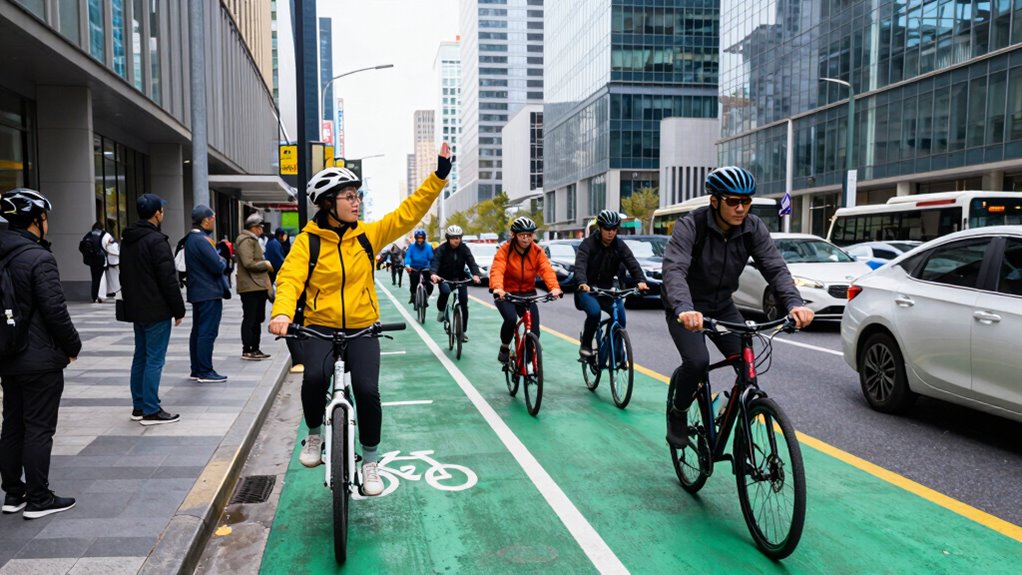
During rush hour, share bike lanes politely by staying patient and maintaining calm. Slow down if needed and give cyclists plenty of space—at least three feet if possible. Avoid aggressive moves or squeezing through tight spots. Respect cyclists’ right to the lane, especially in protected areas, and behave predictably. By practicing good lane etiquette and being considerate, you help guarantee everyone’s safety. Continuing helps you learn even more ways to drive responsibly during busy times.

Get bike and ride gear delivered free with Prime
- Fast, free delivery on millions of items
- Prime Video, Amazon Music and more included
- Member-only deals all year
Key Takeaways
- Slow down and be patient when traffic is heavy; avoid aggressive attempts to pass cyclists.
- Provide at least three feet of space when overtaking cyclists to ensure safe passing.
- Respect cyclists’ right to the lane, especially in protected or buffered bike lanes.
- Maintain predictable behavior and lane etiquette to reduce conflicts and promote safety.
- Promote eco-friendly and considerate road sharing to benefit both safety and environmental health.
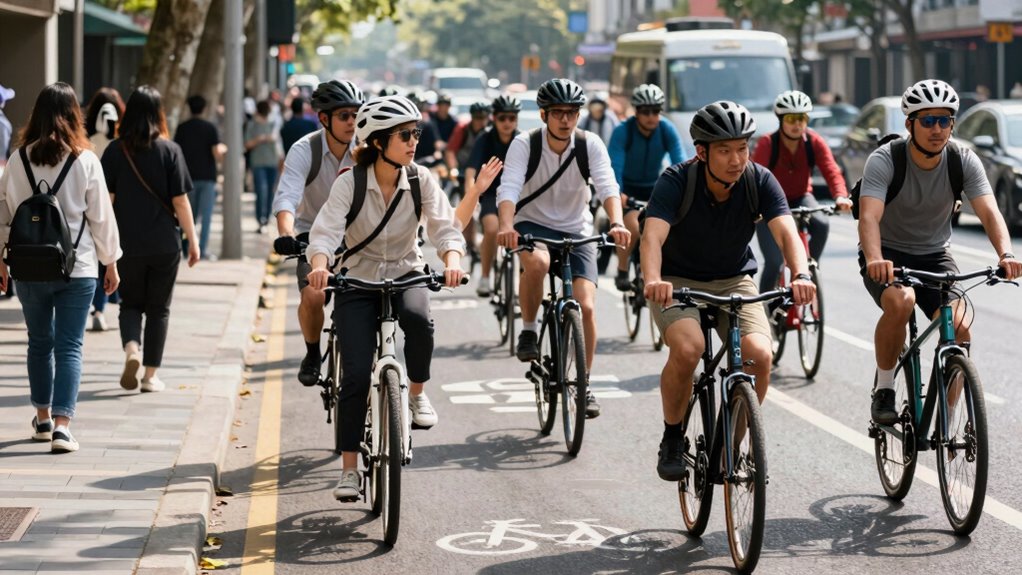
During rush hour, the lane can become crowded, and patience is key. When passing a cyclist, do so carefully and give plenty of room—at least three feet if possible—since sudden movements or close passes can cause accidents. If traffic is heavy and the lane is blocked or narrow, slow down and wait patiently behind cyclists rather than trying to squeeze through aggressively. This shows good lane etiquette and helps maintain a calm, predictable flow of traffic. Remember, cyclists often have the right to the lane, especially if riding in a protected or buffered bike lane, so respecting their space is vital. Being aware of traffic flow can help both motorists and cyclists navigate the lane more smoothly during busy times. Additionally, understanding lane etiquette can foster safer interactions and reduce the risk of conflicts on the road. Recognizing the importance of biodiversity and sustainable transportation options can encourage more considerate and environmentally friendly road sharing practices. Staying informed about smart home technology insights can also promote safer and more efficient traffic management in urban areas. Moreover, respecting the environmental impact of transportation choices can further promote eco-friendly road sharing behaviors.
Popular right now

Ninja Foodi 10-Qt DualZone Smart XL Air Fryer, 6-in-1, DZ550

Shark Navigator Robot Vacuum with Self-Empty Base, Dark Grey (RV2120AE)

Ninja Foodi DZ201 8-Quart DualZone 6-in-1 Air Fryer
As an affiliate, we earn on qualifying purchases.
Frequently Asked Questions
How Can I Signal My Intentions to Other Cyclists?
You can signal your intentions to other cyclists by using clear hand signals and making eye contact. Extend your arm straight out to indicate a turn or stop, and always check for eye contact before making your move. These visual cues help communicate your actions, prevent misunderstandings, and keep everyone safe. Being predictable and attentive with hand signals and eye contact shows respect and guarantees smooth, courteous sharing of the bike lane during rush hour.
What Should I Do if a Pedestrian Steps Into the Bike Lane?
If a pedestrian steps into the bike lane, you should immediately slow down and maintain pedestrian awareness. Gently signal your presence with a friendly bell or a verbal alert, like “on your right,” to communicate bike lane etiquette. Stop if necessary, giving the pedestrian space to cross safely. Remaining calm and courteous helps guarantee safety for everyone and promotes respectful sharing of the bike lane.
Are There Specific Times When Bike Lanes Are More Crowded?
Yes, bike lanes are usually more crowded during peak hours, typically mornings and late afternoons when commuters are traveling to and from work. Off-peak times, like midday or late evenings, tend to be less busy, so you’ll find fewer cyclists. To share the lane politely, adjust your speed accordingly, stay aware of others, and communicate your intentions clearly. Being considerate during busy times helps everyone stay safe and flow smoothly.
How Do I Handle Disagreements With Drivers Near Bike Lanes?
When disagreements with drivers near bike lanes happen, stay calm and prioritize road etiquette. Use clear hand signals or eye contact to communicate your intentions, and speak politely if needed. If conflict arises, avoid escalation—focus on de-escalating the situation. Remember, conflict resolution involves patience and respect. By maintaining calmness and adhering to safe biking practices, you help foster a safer environment for everyone sharing the road.
What Safety Gear Is Recommended for Sharing Bike Lanes?
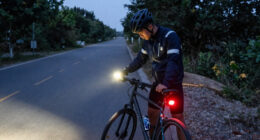
You should wear a helmet to guarantee safety if you fall or collide with a vehicle. Reflective clothing is also essential, especially during rush hour or at night, to increase visibility. Consider additional gear like lights and bells to alert drivers of your presence. Always check that your safety gear fits properly and is in good condition. Staying visible and protected helps you share bike lanes confidently and safely.
Conclusion
So, next time you hit the bike lane during rush hour, remember—you’re not just sharing space, you’re orchestrating a symphony of patience and politeness. Treat fellow cyclists like royalty, wave like a superstar, and resist the urge to turn into a bike lane ninja. By doing so, you’ll turn a chaotic traffic jam into a peaceful parade, making rush hour feel less like a battle and more like a joyful dance. Ride politely, and watch the magic happen!