
If your scooter feels slower than advertised, it could be due to battery wear, as batteries lose capacity over time, reducing power. Terrain plays a big role too; rough or hilly surfaces can slow your ride. Low tire pressure, misalignment, or carrying too much weight can also hinder performance. Regular maintenance, like checking connections and replacing worn parts, helps restore speed. Keep exploring to uncover more tips on maintaining your scooter’s best performance.

Get bike and ride gear delivered free with Prime
- Fast, free delivery on millions of items
- Prime Video, Amazon Music and more included
- Member-only deals all year
Key Takeaways
- Battery health decline reduces power output, causing slower speeds than advertised.
- Riding on rough terrain or steep inclines increases resistance, lowering actual speed.
- Underinflated or worn tires increase rolling resistance, slowing the scooter.
- Overloading or uneven weight distribution strains the motor, decreasing speed.
- Poor connections or corrosion in electrical contacts can impair power delivery and performance.
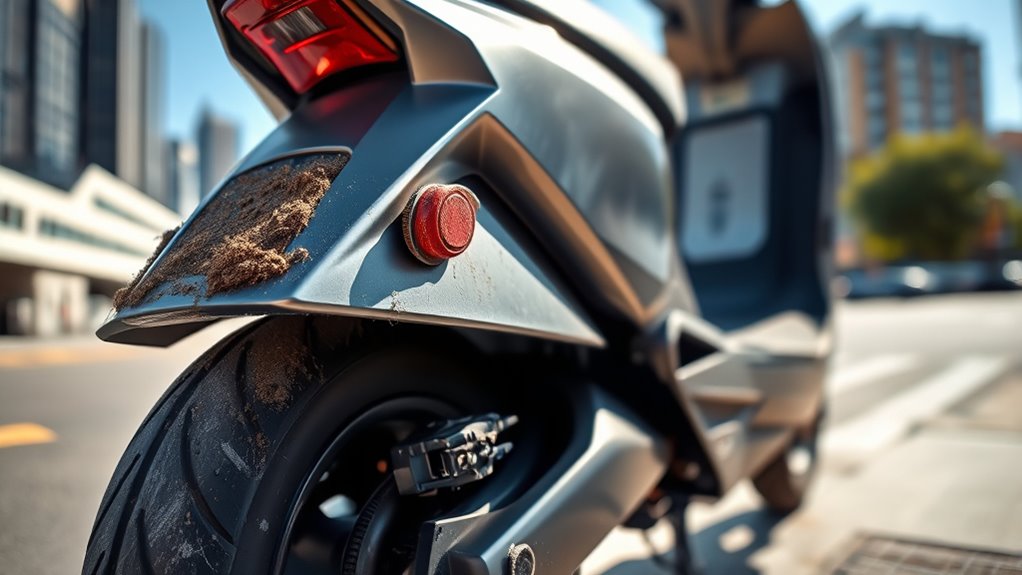
Many scooter riders have noticed that their vehicles sometimes don’t reach the expected speeds, which can be frustrating and dangerous. One common reason for this slowdown is issues related to battery maintenance. Over time, batteries can lose their capacity to hold a charge, especially if they aren’t properly cared for. If your scooter’s battery isn’t in good shape, it may struggle to deliver the power needed for ideal speed. Regularly checking the battery’s health, ensuring it’s fully charged, and replacing worn-out batteries can make a significant difference. Poor battery connections or corrosion can also impair power transfer, so it’s worth inspecting and cleaning terminals periodically. Neglecting these aspects can lead to reduced performance and a sluggish ride, even if the scooter’s motor and components are in good condition. Additionally, some seniors might find that digital literacy programs can help them better understand and maintain their scooter’s technology.
Another factor that impacts your scooter’s speed is the riding terrain. Scooters perform best on flat, smooth surfaces where they can operate efficiently without extra strain. If you frequently ride on hilly, uneven, or rough terrains, you’re putting additional load on the motor and battery, which can drastically reduce speed. Uphill climbs demand more power, causing the scooter to slow down, especially if the battery isn’t at full capacity. Conversely, riding on rugged terrain or gravel can also increase resistance, making it harder for your scooter to maintain higher speeds. To maximize performance, try to choose smoother routes when possible. If you must ride on challenging terrain, be aware that your scooter might struggle to hit advertised speeds, and it’s normal to experience some slowdown under these conditions.
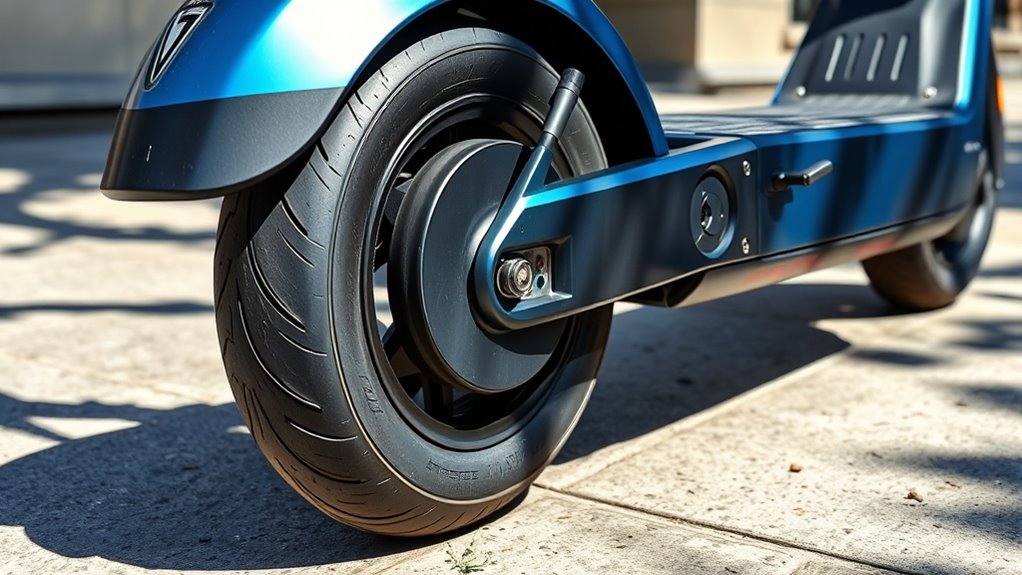
Other elements linked to riding terrain include tire condition and wheel alignment. Worn or underinflated tires create more rolling resistance, forcing your scooter’s motor to work harder and reducing speed. Properly inflated tires and well-aligned wheels help minimize this resistance, allowing for a smoother and faster ride. Additionally, the weight you’re carrying and the way you distribute it can influence speed, especially on hilly terrain. Overloading your scooter or carrying uneven loads can also strain the motor and battery, leading to slower speeds.
Popular right now

Shark IY143H Cordless Pet Stick Vacuum

Dyson V8 Cyclone Cordless Vacuum

Breville Barista Pro Espresso Machine with Built-In Grinder, Brushed Stainless Steel
As an affiliate, we earn on qualifying purchases.
Frequently Asked Questions
How Does Rider Weight Affect Scooter Speed?
Your rider weight directly impacts scooter acceleration and overall speed. Heavier riders add more resistance, making it harder for the scooter to reach its top speed. When you carry extra weight, the scooter has to work harder, which can slow acceleration and reduce maximum speed. So, if you’re heavier, expect your scooter to perform a bit slower than usual, especially during uphill climbs or quick starts.
Can Weather Conditions Impact Scooter Performance?
Imagine riding your scooter on a rainy day; weather effects like rain or strong wind can reduce your scooter’s speed. Wet surfaces decrease traction, making it harder to accelerate and maintain top speed. Additionally, weather effects combined with rider weight can strain the motor, further impacting performance. So, weather conditions definitely influence how fast your scooter can go, especially when your rider weight adds extra load.
Do Tire Pressure and Condition Influence Speed?
Tire pressure and condition definitely impact your scooter’s speed. When your tire pressure is too low, it creates more rolling resistance, slowing you down. Worn or damaged tires reduce grip and efficiency, also decreasing speed. To keep your scooter running at its best, regularly check and maintain proper tire pressure and inspect tire condition for any signs of wear or damage. Proper maintenance helps you stay faster and safer on the road.
How Does Scooter Maintenance Affect Top Speed?
Your scooter’s maintenance directly impacts its top speed. Regularly checking your battery health ensures your scooter gets ideal power, preventing sluggishness. Properly maintaining the motor, like cleaning and lubricating moving parts, boosts motor efficiency, helping you reach higher speeds. Neglecting these aspects can cause power loss and reduce top speed. So, stay on top of maintenance to keep your scooter performing at its best and hitting those top speeds.
Are There Legal Speed Limits for Scooters in Different Areas?
Did you know that many cities set maximum scooter speeds of 15-20 mph? Urban regulations and local laws vary widely, so you need to check your area’s rules. In some places, exceeding speed limits can lead to fines or penalties. Always stay informed about local laws to ride safely and legally. Ignoring these regulations might not only risk fines but also compromise your safety.
Conclusion
So, if your scooter feels slower than advertised, remember it’s like a car with a tailwind—you might just need to check the battery, weight, or road conditions. Small tweaks can turn your ride from a snail to a cheetah. Don’t let these little hurdles turn your joyride into a crawl. With a bit of upkeep, you’ll be cruising at top speed, feeling the wind like a kite soaring high—faster and freer than ever.