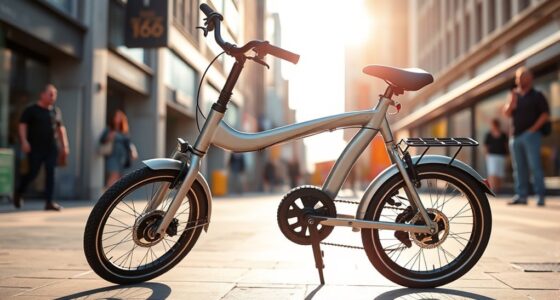
When using scooters on transit, you should follow rules like parking in designated areas and respecting pedestrian zones to avoid hazards. Wear your helmet if required, and be courteous to others by not obstructing walkways or entrances. Practice good etiquette by responsible riding and proper parking, helping keep the system safe and accessible. Staying mindful of these guidelines guarantees smooth travel for everyone—continue exploring to learn more about safe scooter use around transit.
Key Takeaways
- Follow transit agency rules regarding scooter use, parking, and riding areas to ensure safety and accessibility.
- Always wear a helmet and ride responsibly, avoiding sidewalk riding where prohibited.
- Park scooters in designated zones to prevent obstructions and maintain clear pathways for pedestrians and transit access.
- Carry scooters properly on transit vehicles, using designated storage areas or foldable models if permitted.
- Be considerate of others by practicing good etiquette, respecting accessibility needs, and avoiding clutter or hazards.

As cities increasingly integrate scooters into their transportation systems, many transit agencies are grappling with how to accommodate these small, dockless vehicles. While scooters offer a convenient and eco-friendly way to complete last-mile trips, they also raise significant safety concerns and accessibility issues that you need to contemplate. Safety concerns center around rider behavior, helmet use, and the potential for accidents, especially on crowded sidewalks and transit platforms. You might find yourself maneuvering through improperly parked scooters or worrying about slipping or colliding with other pedestrians or transit users. These hazards can lead to injuries not only for scooter riders but also for pedestrians, especially those with visual or mobility impairments. Accessibility issues are equally pressing. Not everyone can easily access or use scooters, particularly individuals with disabilities, the elderly, or those who rely on mobility aids. When scooters clutter walkways or block entrances, they create barriers that hinder mobility for some transit users. If you use a wheelchair or have difficulty walking, you might find it frustrating or even dangerous to traverse around improperly parked or abandoned scooters.
To address safety concerns, transit agencies are establishing rules for scooter use around stations and vehicles. You’re encouraged to wear helmets—although not always legally required—and to ride responsibly, avoiding sidewalk riding where prohibited and respecting pedestrian zones. Many cities also promote designated scooter parking areas to prevent clutter and reduce hazards. Being mindful of how and where you park your scooter can make a big difference, helping to keep walkways clear and safe for everyone. Accessibility issues call for thoughtful planning and regulation, ensuring that scooters do not impede movement for those with disabilities. For example, some transit systems implement no-parking zones near ramps, crosswalks, and accessible entrances to maintain unobstructed pathways. As a rider, you should be aware of these restrictions and respect designated areas, so you don’t unintentionally block access or create hazards.
Ultimately, integrating scooters into transit requires cooperation from riders, transit agencies, and city planners. Your role involves following rules, practicing etiquette, and being considerate of others’ needs. By doing so, you help create a more inclusive, safe, and accessible transportation environment. Remember, your actions impact everyone’s experience—safety concerns and accessibility issues aren’t just about regulations; they’re about making transit equitable and safe for everyone, regardless of how you choose to travel.

Aojin Knee Scooter for Adults for FootInjuries, 300lbs Capacity, All Terrain Foldable Knee Scooter Walker with Bag, 13" Wide Pu Seat, Compact Crutches Alternative (Black)
【Stability and Convenience Constructed】Constructed with a military-grade aircraft aluminum frame (23 lbs) that supports up to 300 lbs,…
As an affiliate, we earn on qualifying purchases.
As an affiliate, we earn on qualifying purchases.
Frequently Asked Questions
Are There Specific Time Restrictions for Bringing Scooters on Transit?
You can usually bring your scooter on transit anytime, but check your transit system’s schedule for specific restrictions. During peak hours, some services limit scooter storage to avoid overcrowding, so it’s best to plan your trip accordingly. Transit scheduling often influences when you can carry your scooter comfortably. Always verify local rules, as policies vary, ensuring you follow proper etiquette and avoid inconvenience to other passengers.
How Do Different Transit Systems Vary in Scooter Policies?
You’ll find that transit systems vary widely in scooter policies, often influenced by regional regulations and enforcement policies. Some cities allow scooters onboard during off-peak hours, while others restrict them entirely. It’s a coincidence that your experience may change based on where you travel, as authorities enforce rules differently. Always check local transit guidelines beforehand, ensuring you follow regional regulations and avoid penalties, making your commute smoother and more predictable.
Can I Transport Multiple Scooters on a Single Transit Trip?
You can often transport multiple scooters on a single transit trip, but it depends on the transit scooter policies and available scooter storage. Check your transit system’s rules first, as some limit the number of scooters you can carry or require specific storage methods. Make sure to secure your scooters properly to avoid accidents, and always follow the guidelines to ensure a smooth ride for everyone.
What Are the Security Measures for Scooters on Transit?
You should always follow transit security protocols to guarantee scooter safety. Most transit systems require you to secure your scooter properly, like folding or using designated racks, to prevent theft or damage. Be mindful of transit security staff and any posted guidelines, as they help keep everyone safe. By taking these precautions, you help maintain a secure environment for all riders, ensuring your scooter remains safe during your trip.
Are There Age Restrictions for Riding Scooters on Transit?
Think of riding scooters on transit like stepping onto a stage—you need to be ready and know your role. Yes, there are age restrictions to make certain scooter safety; typically, riders should be at least 16 or 18 years old, depending on local rules. These restrictions help prevent accidents and keep everyone safe. So, before you ride, check your local transit agency’s guidelines to make sure you’re eligible and prepared.
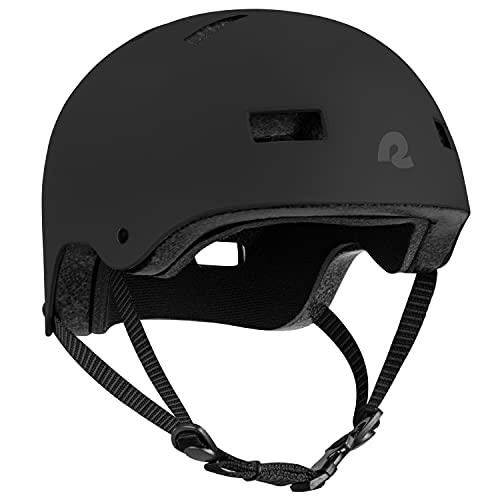
Retrospec Dakota Bicycle / Skateboard Helmet for Adults – Commuter, Bike, Skate, Scooter, Longboard & Incline Skating – Highly Protective & Premium Ventilation- Large- Matte Black
MULTI-SPORT PROTECTION: This versatile adult skate helmet works for BMX, skating, scooters, and bikes – one reliable helmet…
As an affiliate, we earn on qualifying purchases.
As an affiliate, we earn on qualifying purchases.
Conclusion
So, next time you hop on transit with your scooter, remember that rules and etiquette keep everyone moving smoothly. It’s easy to think of your scooter as just a compact ride, but it’s also part of a shared space. Respect others’ space, follow guidelines, and be mindful. After all, your scooter’s convenience shouldn’t come at the expense of someone else’s comfort. Balance is key—because a smooth ride is about everyone’s journey.

Honszex Scooter Lock, Bike Locks High Security with Key, 36.22inch Heavy Duty Bike Lock Chain, Accessories for Electric Scooter, E-Bikes
Electric Scooter Lock: Just like its handcuff-like appearance, this is a very secure lock for bicycle, electric bikes,…
As an affiliate, we earn on qualifying purchases.
As an affiliate, we earn on qualifying purchases.

No Parking No Motorcycle No Scooter Parking Allowed, Tow Away Zone (With Graphic) | 12" X 18" Heavy-Gauge Aluminum Rust Proof Parking Sign | Protect Your Business & Municipality | Made in The USA
EXTREMELY DURABLE: SignMission aluminum products are made from commercial grade corrosive free aluminum specifically rated for outdoor usage…
As an affiliate, we earn on qualifying purchases.
As an affiliate, we earn on qualifying purchases.