Regenerative braking is a system that helps you control your vehicle better by capturing energy usually lost during deceleration. When you ease off the accelerator or press the brake, it activates automatically, converting kinetic energy into electrical power to recharge the battery. This process not only boosts vehicle efficiency and range but also provides smooth, consistent stopping. If you keep exploring, you’ll discover how this technology integrates seamlessly for safer, more sustainable driving.
Key Takeaways
- Regenerative braking captures energy during deceleration, converting it into electrical power to recharge the vehicle’s battery.
- It activates automatically when easing off the accelerator, providing a seamless transition between acceleration and deceleration.
- This system enhances control by delivering smooth, consistent deceleration, especially in stop-and-go traffic or downhill driving.
- Combining regenerative and conventional brakes maintains reliable braking performance across various driving conditions.
- It improves vehicle efficiency and safety by balancing energy recovery with responsive braking control.

Regenerative braking is a technology that captures energy typically lost during deceleration and converts it into usable electrical power. When you press the brake pedal in a vehicle equipped with regenerative braking, instead of relying solely on traditional friction brakes, this system activates to slow down your vehicle by converting kinetic energy into electrical energy. This process is a smart way to recover energy that would otherwise dissipate as heat, making your vehicle more efficient. By harnessing this energy recovery method, regenerative braking enhances overall brake efficiency, allowing your vehicle to make the most of the energy generated during stopping or slowing down.
Regenerative braking captures and reuses energy during deceleration to boost vehicle efficiency.
As you drive, every time you brake, regenerative braking systems work behind the scenes to recapture some of the energy your vehicle uses to move. Instead of letting this energy go to waste, the system directs it to recharge the vehicle’s battery or energy storage system. This not only extends the range of electric and hybrid vehicles but also reduces the workload on traditional friction brakes, leading to less wear and tear. Because of this, you’ll notice that brake components last longer, and maintenance costs can decrease over time. The system’s ability to recover energy during deceleration means your vehicle maximizes its efficiency, translating into better mileage and reduced emissions.
The way regenerative braking improves brake efficiency is significant, especially in stop-and-go traffic or during downhill driving. It allows you to control your vehicle smoothly and confidently by integrating energy recovery with braking power. When you ease off the accelerator, the system automatically engages, slowing your vehicle more efficiently than traditional brakes alone. This seamless transition between energy recovery and braking gives you a more controlled, consistent feel, enhancing your driving experience. You don’t have to rely solely on mechanical brakes, which can be less responsive or less efficient in certain situations. Instead, regenerative braking offers a more precise control over deceleration, ensuring your vehicle responds predictably and safely.
In addition, regenerative braking systems often include mechanisms to blend energy recovery with conventional braking, providing you with a balanced approach to stopping. This combination ensures that braking performance remains reliable under all conditions, whether you’re gently slowing down or coming to a complete stop. By improving brake efficiency through energy recovery, these systems contribute to a smarter, more sustainable driving experience, helping you conserve energy without sacrificing safety or control. Additionally, the integration of European cloud innovation with vehicle systems is paving the way for smarter, more connected transportation solutions. Ultimately, regenerative braking is a key technology that makes your vehicle more efficient, environmentally friendly, and easier to operate, especially as you navigate diverse driving conditions.
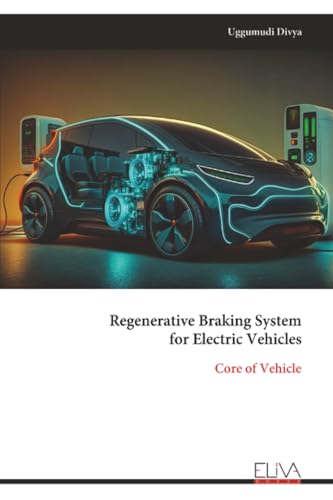
Regenerative Braking System for Electric Vehicles: Core of Vehicle
As an affiliate, we earn on qualifying purchases.
As an affiliate, we earn on qualifying purchases.
Frequently Asked Questions
How Does Regenerative Braking Affect Overall Vehicle Maintenance?
Regenerative braking reduces your vehicle’s overall maintenance costs by lessening wear on traditional brake components. However, it can lead to increased battery degradation over time, which might require more frequent battery replacements. This means you benefit from fewer brake repairs but should keep an eye on your battery’s health. Proper maintenance and monitoring help balance these effects, ensuring your vehicle stays reliable and cost-effective in the long run.
Can Regenerative Braking Be Used in All Weather Conditions?
Yes, regenerative braking can be used in all weather conditions, thanks to its weather adaptability. Modern systems are designed for reliable performance across rain, snow, and ice, ensuring safety and efficiency. However, in extreme conditions like icy roads, you might notice reduced effectiveness, so it’s good to combine regenerative braking with traditional brakes. Overall, its system reliability makes it a versatile feature, enhancing your vehicle’s control in varied weather.
What Are the Energy Savings Benefits of Regenerative Braking?
You get to save energy with regenerative braking—who knew slowing down could be so eco-friendly? It recovers energy that would otherwise be lost as heat, turning your brakes into a mini power generator. This clever trick boosts fuel efficiency, reduces emissions, and helps you embrace eco-friendly driving. So, next time you brake, remember: you’re not just stopping, you’re also saving energy and the planet, one smooth stop at a time.
How Does Regenerative Braking Impact Battery Lifespan?
Regenerative braking can extend your battery’s lifespan by reducing the number of charging cycles it undergoes, which helps preserve battery chemistry. By recapturing energy during braking, you lessen the strain on your battery, slowing down capacity loss over time. This means your battery stays healthier longer, enhancing overall durability. Proper use of regenerative braking optimizes battery performance, allowing it to maintain efficiency and lifespan for a more extended period.
Are There Any Safety Concerns Associated With Regenerative Braking Systems?
You should know that regenerative braking systems are generally safe, but there are safety concerns to take into account. Emergency systems may need to be compatible with regenerative braking to ensure proper operation during sudden stops. If the system isn’t compatible, it could cause delays or malfunctions, affecting safety. Always check that your vehicle’s regenerative braking works seamlessly with emergency systems to maintain control and safety during all driving situations.
hybrid car brake energy recovery
As an affiliate, we earn on qualifying purchases.
As an affiliate, we earn on qualifying purchases.
Conclusion
By understanding regenerative braking, you can enjoy smoother control and better efficiency on the road. Did you know that regenerative braking can recapture up to 70% of the energy normally lost during braking? That means you’re not only saving energy but also extending your vehicle’s range. So, next time you slow down, remember that this innovative system works behind the scenes to make your drive more eco-friendly and cost-effective. Embrace regenerative braking and drive smarter!

CURT 51180 Echo Wireless Trailer Brake Controller, Bluetooth Smartphone App, Portable Proportional Electric Brake Controller, 7-Way RV Blade, Active 7-Way Required, 1-2 Axles
- Portable and Easy to Transfer: No-tool, plug-and-play installation
- Bluetooth Smartphone Compatibility: Syncs with Apple and Android devices
- App-Based Control and Adjustment: Use OneControl app for setup and profiles
As an affiliate, we earn on qualifying purchases.
As an affiliate, we earn on qualifying purchases.

PowerStop Front Brake Pads for Hyundai Elantra GT 2018 |Kona Electric 2019-20 |Sonata 2016-19 |Kia Niro EV 2019-20 |Optima 2016-20 – Z17 Ceramic Brake Pads with Installation Hardware, 17-1826
- Vehicle Compatibility: Confirm fitment via Amazon or description
- Complete Set: Includes 2 front ceramic brake pads and hardware
- Enhanced Stopping Power: Thermally scorched, chamfered, and slotted for quick break-in
As an affiliate, we earn on qualifying purchases.
As an affiliate, we earn on qualifying purchases.