
TL;DR

Get bike and ride gear delivered free with Prime
- Fast, free delivery on millions of items
- Prime Video, Amazon Music and more included
- Member-only deals all year
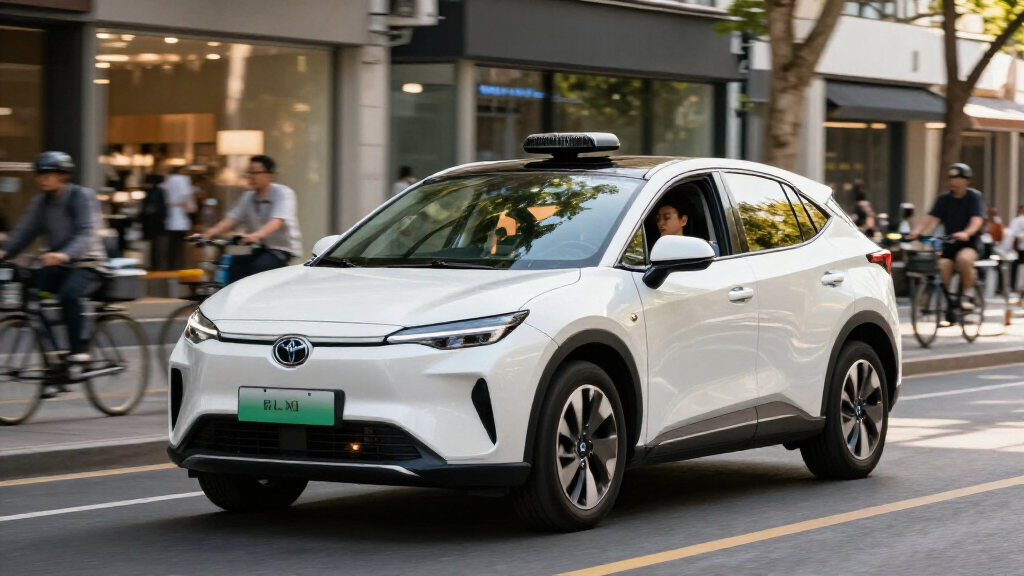
Toyota will build bZ electric crossovers fitted with Waymo’s autonomous-driving hardware at its Takaoka plant in Japan. Initial testing and validation are scheduled for 2027, but the companies have not announced fleet size or a firm date for a broad driverless service launch.
Toyota plans to build bZ electric crossovers fitted with Waymo’s self-driving hardware at its Takaoka plant in Toyota City, Japan, with the first vehicles scheduled for testing and validation in 2027. The announcement deepens the companies’ partnership and sets out a path for Toyota-made vehicles to join Waymo’s autonomous ride-hailing operations, although a wider commercial launch date and fleet size have not been disclosed.
The vehicles will be based on Toyota’s bZ electric crossover, sold in Japan as the bZ4X. Toyota is to install Waymo’s autonomous-driving hardware at its Takaoka factory, which also builds the regular production bZ. The arrangement moves vehicle outfitting into Toyota’s manufacturing operation rather than relying solely on Waymo’s existing conversion work in the United States.
The first Japanese-built vehicles are scheduled to undergo initial testing and validation in 2027. According to the report, Waymo’s plan is to introduce the vehicle in Japan and then take it to the United Kingdom and other markets where the company operates in later years. Waymo co-CEO Dmitri Dolgov said the company would start with right-hand-drive markets, but did not provide additional country plans or dates.
The report says the custom vehicles are expected to include automatic doors, a power liftgate and ambient lighting. Toyota and Waymo have not specified how many vehicles will be produced for Japan, when an unmanned paid service using the Toyota-built model would begin, or how quickly any fleet might expand.
Toyota Adds Factory Capacity to Waymo
The plan gives Waymo a route to work with a mainstream vehicle manufacturer on vehicles designed for autonomous ride-hailing, while Toyota gains a role in building cars around Waymo’s driverless technology. Production at Toyota’s Takaoka plant could make the partnership different from Waymo’s current approach, which includes outfitting vehicles at its own facility in Mesa, Arizona.
For riders and residents, the immediate significance is a planned testing program, not a confirmed launch of driverless Toyota taxis. The distinction matters: testing and validation are steps toward a service, but they do not establish when regulators will permit commercial operations, how many cars will be available, or which areas they will serve. The project may broaden Waymo’s vehicle supply over time, but its scale and public impact remain unconfirmed.
Popular right now

Dyson V8 Cyclone Cordless Vacuum

Dyson Cyclone V10 Origin Cordless Vacuum

TCL T7 Series 85-Inch 4K 144Hz QLED Smart Google TV
As an affiliate, we earn on qualifying purchases.
From Tokyo Testing to Toyota Production
Waymo already has a small number of left-hand-drive Jaguar I-Pace electric vehicles in Tokyo, according to the source report. Those cars still have safety operators behind the wheel. The report describes an unmanned commercial rollout in Tokyo as planned for 2027, but that schedule is separate from the Toyota-built bZ’s initial testing and validation and should not be taken as confirmation that the new model will be commercially available then.
Waymo currently outfits Jaguar I-Pace vehicles and Zeekr-made Ojai minivans at its Mesa, Arizona, site. The companies also have a broader partnership: Toyota and Waymo joined forces in 2025 to work on a new autonomous-vehicle platform and explore bringing Waymo technology into future Toyota passenger vehicles. The bZ robotaxi plan adds a manufacturing and market-specific step to that relationship.
Other automakers have also discussed producing vehicles for Waymo. Hyundai has said it would build “tens of thousands” of robotaxis at its Georgia factory, but the source report says that production has not yet happened. That comparison provides industry context; it does not establish how many Toyota bZ vehicles will be made.
““We’ll start with the right-hand drive markets in Japan and the UK.””
— Dmitri Dolgov, Waymo co-CEO
Fleet Size and Launch Dates Remain Open
The announcement does not give a production volume for the Japanese fleet or a firm schedule for a broad public rollout. Initial testing and validation in 2027 are not the same as a start date for unsupervised commercial rides. The report also does not specify which cities would receive the Toyota-built vehicles or when Waymo might introduce them in the UK.
How the vehicles will move from testing to public service is also unclear. The available information does not detail regulatory approvals, operating areas, safety-operator arrangements during validation, or any service-specific conditions. Waymo’s current Tokyo vehicles still have safety operators, so their presence does not confirm that Toyota’s bZ models will immediately operate without one.
Testing Comes Before Any Wider Rollout
The next stated milestone is initial testing and validation in 2027 for the Toyota-built bZ vehicles. That work will precede any confirmed wider deployment, but the companies have not announced testing locations, dates within the year, or public-service launch conditions.
Waymo has said it intends to begin with Japan and the UK before considering other markets, without naming additional countries or providing a timetable. Readers should watch for announcements on fleet numbers, regulatory clearances, the start of driverless commercial rides, and whether the Tokyo service plan advances on its reported 2027 schedule.
Key Questions
What vehicle will Toyota build for Waymo?
Toyota plans to use its bZ electric crossover, known as the bZ4X in Japan, and equip it with Waymo’s autonomous-driving hardware.
When will the Toyota-built Waymo vehicles be tested?
The first vehicles are scheduled for initial testing and validation in 2027. That is not a confirmed date for a full commercial launch.
Where will Toyota make the robotaxis?
Toyota plans to install Waymo’s hardware at its Takaoka plant in Toyota City, in Aichi Prefecture, Japan.
How many Toyota bZ robotaxis will be built?
No production number has been announced. Toyota and Waymo have also not set out a fleet size for Japan.
Will the vehicles operate without a driver in 2027?
The report schedules testing and validation in 2027 but does not confirm when the Toyota-built vehicles will begin unmanned commercial rides. Waymo’s existing Tokyo vehicles still have safety operators.
Source: insideevs.com