To achieve a comfortable fit on a small bike frame, you should fine-tune your saddle height, tilt, and position to match your pelvic width and riding style. Adjust your handlebar height and reach to prevent neck and wrist strain, and consider component adjustments like crank length and cleat positioning for better pedaling efficiency. Small frames can be just as comfortable as larger ones when properly set up—stay with us to discover how to optimize your ride even further.
Key Takeaways
- Select a saddle that matches your pelvic width and riding style, and fine-tune its height and tilt for comfort.
- Adjust handlebar height and reach to prevent excessive leaning, wrist, shoulder, and neck strain.
- Consider crank length and cleat positioning to optimize pedaling efficiency and reduce joint stress.
- Experiment with saddle and handlebar positions to find an ergonomic setup that minimizes unnecessary movement.
- Continuously refine your bike fit to ensure a natural, pain-free posture and maximize comfort during rides.
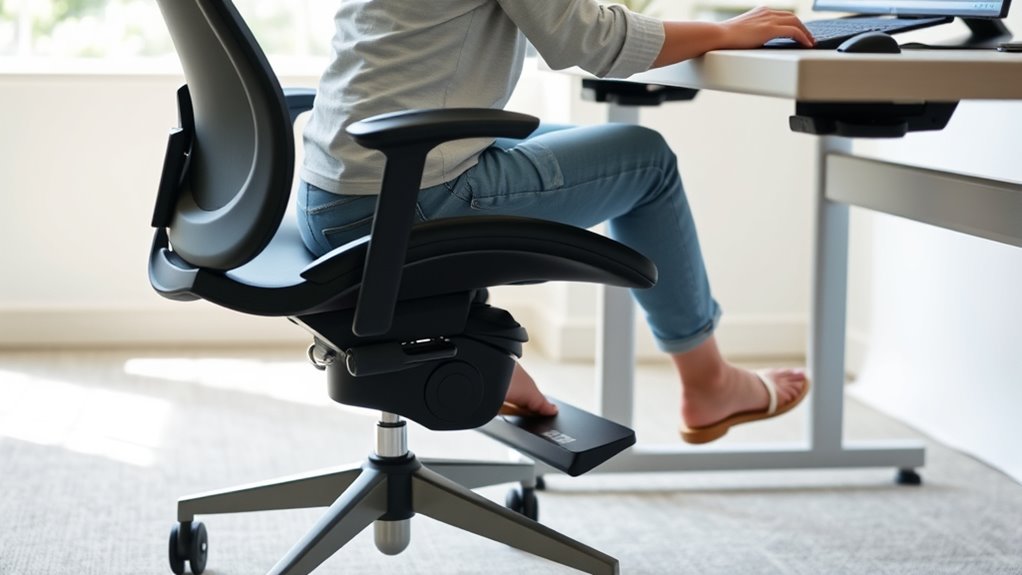
Have you ever wondered how to maximize comfort and efficiency when riding a bike with a small frame? The key lies in understanding how to adjust your bike’s fit to suit your body, guaranteeing you stay comfortable during long rides and maintain ideal performance. One of the most important aspects is bike saddle comfort. A saddle that fits well and supports your sit bones helps prevent numbness, saddle sores, and discomfort. When choosing a saddle, look for one that matches your pelvic width and riding style. Adjustable saddles allow you to fine-tune the height and tilt, helping you find a natural, pain-free position. Remember, a saddle that’s too high or too low can cause unnecessary strain on your hips, knees, and back, which is especially problematic on small frames where the riding position can feel more cramped. Proper bike fit emphasizes the importance of ergonomic principles to optimize comfort and performance.
Proper saddle fit enhances comfort and performance on small frames.
Handlebar positioning is equally vital for ergonomic success on a small frame. Since small frames often mean a more compact geometry, it’s essential to set your handlebars at a height and reach that prevent you from leaning forward excessively or feeling cramped. You might need to raise the handlebars slightly or adjust their angle to avoid putting too much pressure on your wrists, shoulders, or neck. When handlebars are too low, you tend to hunch over, which can lead to discomfort and fatigue. Conversely, if they’re too high, you might lose efficiency and control. Experiment with stem length and angle to find a balance that feels natural and reduces strain.
In addition to saddle and handlebar adjustments, consider other ergonomic factors like crank length and pedal placement. Shorter cranks can help reduce knee strain, especially for smaller riders, while proper cleat positioning ensures your feet are aligned correctly to avoid discomfort and improve pedaling efficiency. Small frames often mean tighter spaces, so choose components that can be easily adjusted and customized to your body. Remember, the goal is to create a riding posture that minimizes unnecessary movement, keeps your joints happy, and maximizes your power transfer.
Ultimately, getting a comfortable fit on a small frame requires attention to detail and a willingness to experiment with different setups. Take the time to adjust your saddle height, tilt, and position, along with handlebar reach and height. Your body will thank you during longer rides, and you’ll enjoy a more efficient, enjoyable cycling experience. Small frames can be just as comfortable as larger ones when properly refined, so don’t settle for discomfort—fine-tune your setup and ride with confidence.

Comfortable Seat Cushion for Men Women with Dual Shock Absorbing Ball Memory Foam Waterproof Wide Bicycle Saddle Fit for Road Bikes
- Shock Absorbing Balls: Dual shock absorption for smooth rides
- Large Bicycle Seat: Wide 9.7x8x3.7 inch comfort saddle
- Universal Compatibility: Includes adapter, wrench, waterproof cover
As an affiliate, we earn on qualifying purchases.
As an affiliate, we earn on qualifying purchases.
Frequently Asked Questions
How Do I Measure My Small Frame for Optimal Fit?
To measure your small frame for ideal fit, start with accurate frame sizing using measurement techniques like measuring your wrist circumference—usually, a smaller wrist indicates a smaller frame. Use a flexible measuring tape to get precise measurements of your inseam, torso length, and shoulder width. These measurements help you select the right bike or equipment size, ensuring comfort and proper ergonomics for your small frame.
Can Ergonomic Adjustments Improve Comfort During Long Rides?
Yes, ergonomic adjustments can substantially improve your comfort during long rides. Try adjusting your bike saddle to guarantee proper height and tilt, which reduces pressure and strain. Focus on your hand positioning by using handlebar grips that keep your wrists neutral and relaxed. These tweaks help prevent fatigue and discomfort, making your ride more enjoyable. Small changes can make a big difference in how comfortable you feel over extended periods.
What Specific Bike Components Benefit Small Frame Riders?
Small frame riders benefit most from a bike saddle that fits their sit bones properly, reducing pressure and increasing comfort. Adjust the handlebar width to match your shoulder width, which helps prevent strain and improves control. Customizing these components guarantees a better fit, allowing you to ride longer without discomfort. Focus on selecting a saddle with appropriate padding and width, and choose handlebars that suit your reach and riding style.
Are There Ergonomic Accessories Tailored for Small Frames?
You’ll find small frame accessories and ergonomic gear designed to make your ride more comfortable. These include adjustable handlebars, ergonomic grips, and compact saddles that fit your frame perfectly. Coincidentally, many brands now offer tailored options that enhance control and reduce strain. By choosing the right small frame accessories, you can customize your bike to support your body’s needs, turning every ride into a smooth, enjoyable experience.
How Does Rider Posture Impact Comfort on Small Bikes?
Your posture greatly impacts comfort on small bikes. If you’re flexible, you can adopt a more aerodynamic position, reducing strain. Adjust your saddle height properly—too high or low causes discomfort and inefficiency. Maintaining good rider posture guarantees even weight distribution, prevents aches, and improves control. Pay attention to your flexibility and saddle height, making small adjustments to find a comfortable, efficient riding position that minimizes fatigue on your small frame.

Adjustable MTB Stem 31.8mm 70 Degree – 90/110/130/145mm Bike Stem Riser for Handlebar – Aluminum Alloy Mountain Bike Handlebar Riser Extender for MTB Road City Bike Bicycle
- Size Confirmation Needed: Verify size before purchase
- Adjustable for Comfort: Tweaks handlebar height and reach
- Universal Compatibility: Fits 31.8mm handlebars and 28.6mm stems
As an affiliate, we earn on qualifying purchases.
As an affiliate, we earn on qualifying purchases.
Conclusion
To wrap it up, optimizing your bike fit on a small frame isn’t just a tweak—it’s your secret weapon for comfort and performance. Think of your bike as a glove perfectly molded to your hand; when it fits just right, every ride feels smoother and more natural. Don’t settle for discomfort—adjust your setup, listen to your body, and transform each ride into a seamless extension of yourself. Your perfect fit is the key to riding happily and confidently.

Alps2Ocean Bike Crank Arms,89MM/102MM/114MM/127MM/140MM/152MM/160MM/165MM/170MM/175MM Available in Diamond Hole Bike Crank Arm for Ebike
- Material: Forged Alloy 6061 for durability
- Available Sizes: 10 different crank arm lengths
- Spindle Interface: Diamond Hole, 12cm diameter
As an affiliate, we earn on qualifying purchases.
As an affiliate, we earn on qualifying purchases.

SUKOUSRAM Bike Shoe Cleats Fitting Tool
- Compatible with Look Keo pedals: Cleat fitting and alignment tool
- Easy cleat positioning: Marks proper cleat placement
- Enhances comfort and performance: Ensures correct cleat alignment
As an affiliate, we earn on qualifying purchases.
As an affiliate, we earn on qualifying purchases.