

TL;DR
Servo’s June update brings significant improvements in real-world web compatibility, media query support, and SharedWorker implementation. These developments aim to make Servo more practical for everyday web use, though some features remain in progress.
Servo’s June update introduces notable enhancements in real-world web compatibility, media query support, and SharedWorker implementation, marking progress in making the browser engine more practical for everyday use. These updates are part of Servo’s ongoing development efforts to improve performance and standards compliance.
The June release of Servo, Mozilla’s experimental browser engine, includes improvements aimed at increasing its compatibility with existing websites and web standards. Key among these are enhanced support for media queries, which are crucial for responsive design, and the implementation of SharedWorker support, allowing scripts to run in background threads shared across multiple pages. These features are confirmed by Mozilla engineers and are part of Servo’s broader goal to serve as a modern, high-performance browser engine. The update also emphasizes better real-world compatibility, with efforts to align Servo more closely with current web standards. While some features are now operational, others, such as full SharedWorker support, are still under active development, and their performance and stability are being tested in various scenarios. The team has also focused on improving CSS handling and JavaScript integration, aiming to reduce discrepancies with mainstream browsers.Why Improved Compatibility and Web Standards Support Matter
These developments are significant because they move Servo closer to being a viable alternative for web rendering, especially for developers interested in open-source, high-performance browser engines. Enhanced support for media queries and SharedWorkers means Servo can better handle complex, real-world websites that rely on modern web standards, potentially influencing future browser design and standards compliance. For users, this could translate into more efficient, privacy-focused browsing options as Servo matures.

Responsive Web Design (Brief Books for People Who Make Websites, No. 4)
As an affiliate, we earn on qualifying purchases.
As an affiliate, we earn on qualifying purchases.
Servo’s Development Path and Recent Progress
Servo, launched by Mozilla as an experimental browser engine, has been in active development since 2013, aiming to leverage Rust for safety and performance. Over recent years, the project has shifted from experimental to more feature-focused updates, with notable milestones including partial WebAssembly support and improvements in CSS and JavaScript handling. The June update continues this trajectory, emphasizing practical compatibility with current web standards. While Servo remains not fully production-ready, these incremental improvements reflect ongoing efforts to address compatibility gaps and support modern web features.
“The June update marks a significant step toward making Servo more compatible with real-world web content, especially in areas like media queries and background script support.”
— Mozilla Developer Team

DUELink Smart Electronic Building Blocks Kit: Use with Python, Javascript, Arduino, RPI, MakeCode, or MicroBlocks.
- 1.8-inch Color TFT Display: Displays colorful visuals
- LED R16 Module: Bright LED indicator
- Rotary Module: Adjustable rotary control
As an affiliate, we earn on qualifying purchases.
As an affiliate, we earn on qualifying purchases.
Remaining Challenges and Features Still Under Development
While several features have reached functional stages, full support for SharedWorkers and comprehensive real-world compatibility are still in progress. The stability, performance, and completeness of these features in diverse web environments remain unconfirmed. Additionally, some aspects of CSS and JavaScript integration are still being optimized, and it is not yet clear when Servo will achieve parity with mainstream browsers in these areas.
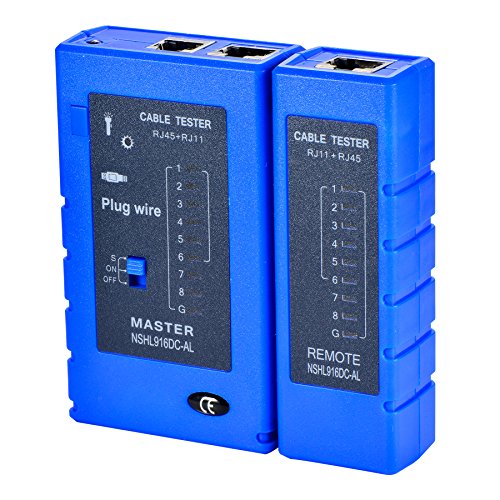
Optimal Shop Network Cable Tester Test Tool RJ45 RJ11 RJ12 CAT5 CAT6 UTP USB LAN Wire Ethernet
- New Network Tester: Includes LED lights and micro-power supply
- Ensures Network Reliability: Detects shorts, open wires, and wiring issues
- Multi-Function Testing: Tests RJ45, RJ11, and Ethernet cables
As an affiliate, we earn on qualifying purchases.
As an affiliate, we earn on qualifying purchases.
Upcoming Milestones and Ongoing Development Efforts
Mozilla plans to continue refining features introduced in the June update, with upcoming milestones including improved stability tests, broader web standard compliance, and user-facing performance improvements. The team also intends to expand testing with real-world websites to better understand compatibility gaps and address them. Continued community feedback and collaboration with web standards bodies are expected to shape future updates, potentially bringing Servo closer to practical deployment.

Hacking Web Intelligence: Open Source Intelligence and Web Reconnaissance Concepts and Techniques
As an affiliate, we earn on qualifying purchases.
As an affiliate, we earn on qualifying purchases.
Key Questions
What are media queries, and why are they important for Servo?
Media queries are CSS techniques used to create responsive designs that adapt to different screen sizes and devices. Improved media query support in Servo means better rendering of modern, responsive websites.
SharedWorker allows scripts to run in background threads shared across multiple web pages, improving performance and enabling complex web applications to operate more efficiently. Support in Servo is a step toward broader compatibility with modern web features.
When will Servo be ready for daily use or production environments?
It is not yet clear when Servo will reach full production readiness. The current focus is on incremental improvements, compatibility testing, and stability, with no specific release date announced.
How does Servo compare to mainstream browsers like Chrome or Firefox?
Servo is still in development and does not yet match the full feature set or compatibility of mainstream browsers. Its advantages lie in safety, performance, and open-source design, but it remains experimental.
What are the main challenges facing Servo’s development?
The primary challenges include achieving full web standards compliance, ensuring stability and performance, and supporting complex features like SharedWorker and advanced CSS/JavaScript integration.
Source: hn