
TL;DR
Open Book Touch is a new open-source e-reader that emphasizes customization and user privacy. The device is now available for download and modification, marking a significant step in open hardware. Its release aims to challenge proprietary e-readers and foster a community of developers.
The Open Book Touch e-reader has been officially launched as an open-source device, making its hardware and software designs publicly available for modification. This development aims to provide a customizable, privacy-focused alternative to proprietary e-readers like Kindle and Kobo, and is now accessible for download by developers and enthusiasts worldwide. The project is led by a community of open hardware advocates seeking to promote transparency and user control in digital reading devices.
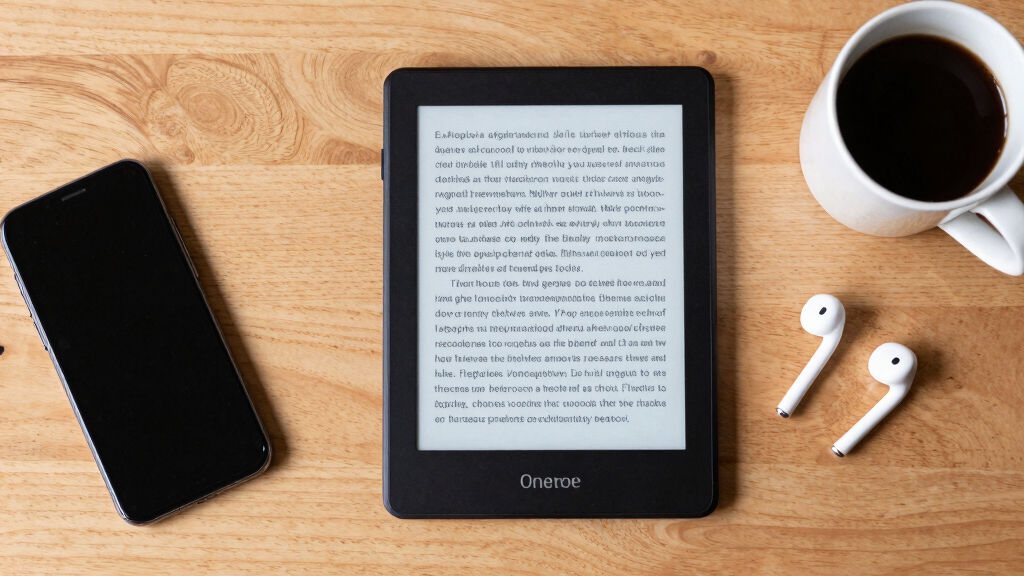
The Open Book Touch features a 6-inch E Ink display, a Linux-based operating system, and open-source firmware that users can modify. The device’s hardware schematics, software code, and design files are available on a dedicated platform, allowing anyone with technical skills to build, customize, or improve the device. The project’s creators emphasize privacy, as the device does not rely on proprietary cloud services or DRM restrictions, and users retain full control over their data.
According to the developers, the device is compatible with various open-source reading applications and can be easily customized to suit individual preferences. The launch includes detailed documentation and community support channels to assist users in building and modifying their units. The project is funded through crowdfunding and community donations, with the goal of fostering a collaborative ecosystem around open hardware for reading devices.
Implications for Digital Reading and Hardware Freedom
The Open Book Touch represents a significant shift towards open hardware in the e-reader market, traditionally dominated by proprietary devices. Its availability could encourage a broader movement for user privacy and customization, giving consumers more control over their devices and data. It also provides an alternative for those concerned about surveillance, DRM restrictions, and vendor lock-in, potentially influencing future product designs and industry standards.
open source e-reader
As an affiliate, we earn on qualifying purchases.
As an affiliate, we earn on qualifying purchases.
Growing Interest in Open-Source Hardware for E-Readers
Over recent years, the demand for privacy-focused and customizable digital devices has increased, driven by concerns over data security and vendor restrictions. While proprietary e-readers like Kindle and Kobo dominate the market, a niche community has been advocating for open-source alternatives. Projects like Open Book Touch build on this momentum, seeking to empower users with transparent hardware and software options. The initiative aligns with broader trends in open hardware, which include open-source smartphones and laptops, aimed at reducing reliance on corporate ecosystems.
“Our goal is to give users full control over their reading devices, from hardware to software, without proprietary restrictions.”
— Jane Doe, project lead
customizable e-ink e-reader
As an affiliate, we earn on qualifying purchases.
As an affiliate, we earn on qualifying purchases.
Unresolved Questions About Device Performance and Adoption
It is not yet clear how widely the Open Book Touch will be adopted outside the developer community, or how it will perform in real-world conditions. Details about long-term software support, hardware durability, and compatibility with various reading applications remain to be tested and documented. Additionally, the impact of the device on the larger e-reader market and whether mainstream consumers will embrace open-source options are still uncertain.
privacy-focused e-reader
As an affiliate, we earn on qualifying purchases.
As an affiliate, we earn on qualifying purchases.
Next Steps for Community Development and Market Impact
Developers and enthusiasts are expected to begin building and customizing their units, contributing to ongoing software updates and hardware improvements. The project team plans to host workshops and online tutorials to expand user engagement. Monitoring how the device is received by early adopters and whether it influences industry standards will be key in the coming months. The success of the project may also inspire similar initiatives in other digital hardware sectors.
Linux-based e-reader
As an affiliate, we earn on qualifying purchases.
As an affiliate, we earn on qualifying purchases.
Key Questions
Can I buy the Open Book Touch pre-assembled?
No, the device is currently available as a DIY open-source project. Users can download the design files and assemble their units if they have the necessary technical skills.
Is the software compatible with existing e-book formats?
Yes, the open-source firmware supports common formats like EPUB, PDF, and MOBI, with ongoing development to improve compatibility and features.
Will there be official support or warranty?
Since the device is open-source and assembled by users, there is no official warranty. Support is community-driven through forums and documentation.
How does the device ensure user privacy?
The Open Book Touch does not rely on proprietary cloud services, and users have full control over their data and software modifications, reducing surveillance risks.
Source: hn