

To ask about employer charging policies without getting a “no,” start by understanding your company’s guidelines thoroughly. Clearly explain the expense’s necessity and how it benefits the organization, referencing relevant policies or data. Present supporting documentation like receipts and follow proper procedures. Use a respectful tone, emphasizing alignment with company goals, and be open to alternative solutions if denied. Handling this professionally increases your chances—if you want to learn more, keep exploring these strategies.
Key Takeaways
- Review and understand company policies thoroughly before requesting reimbursement or expense coverage.
- Prepare clear documentation and align your expense with organizational goals and policies.
- Communicate respectfully, referencing policies or data to justify the necessity of the expense.
- Be concise and specify how the expense benefits the organization and your role.
- Seek clarification if denied, and inquire about alternative solutions or reconsideration options.

Employer charging policies determine whether and how companies can require employees to pay for work-related expenses. If you’re navigating this process, understanding the nuances of employee reimbursement and policy enforcement can make all the difference. When asking your employer to cover or reimburse specific expenses, framing your request clearly and confidently is essential. First, familiarize yourself with your company’s existing policies—knowing what’s already outlined helps you craft a reasonable and informed request. If policies are unclear or outdated, consider proposing updates that better reflect current work practices. This demonstrates your proactive approach and respect for established procedures.
Understanding employer policies helps you request reimbursements confidently and navigate expense procedures effectively.
When approaching your manager or HR, be concise yet thorough. Clearly specify the expense, why it’s necessary for your job, and how it aligns with company policies. For example, if you need to attend a conference or purchase supplies, explain how these are directly related to your role and how they benefit the organization. Emphasizing the business need makes your request more compelling. Remember, the goal is to establish a shared understanding that your expense qualifies for reimbursement, in line with policy enforcement standards.
To increase your chances of a positive response, be prepared to provide supporting documentation, such as receipts or invoices. Having these ready shows professionalism and makes the process smoother for everyone involved. When discussing employee reimbursement, be respectful of the company’s procedures—some organizations have specific timelines or forms you need to complete. Following these steps demonstrates your willingness to comply with policy enforcement, which can foster trust and credibility.
Additionally, understanding website performance metrics and how they relate to internal policies can help you frame your request more effectively. If your company tracks certain expenses or performance indicators, referencing these can strengthen your case. If your initial request is met with hesitation or a “no,” don’t be discouraged. Politely ask for clarification about the reasons and whether there’s room for reconsideration or alternative solutions. Sometimes, understanding the reasoning behind the denial helps you adjust your approach or address any outstanding concerns. Keep the conversation constructive and focus on finding mutually agreeable outcomes. By demonstrating your knowledge of the policies and your commitment to compliance, you position yourself as a responsible employee who respects company rules while advocating for necessary expenses.

Expense Reimbursement Forms Book: Employee Reimbursement Request Form for Businesses and Offices | 50 Forms
As an affiliate, we earn on qualifying purchases.
As an affiliate, we earn on qualifying purchases.
Frequently Asked Questions
How Do I Determine if My Employer’s Policy Is Compliant?
To determine if your employer’s policy is compliant, start with a thorough policy review, focusing on relevant regulations and company guidelines. During your employee negotiation, ask clear, direct questions about the policy’s legality and fairness. Research applicable labor laws or consult HR for clarification. If something seems off, consider seeking advice from a legal professional or worker’s rights organization to guarantee your employer’s policy aligns with legal standards.
What Are Common Mistakes to Avoid When Asking for Reimbursement?
When asking for reimbursement, avoid common mistakes like neglecting proper expense documentation and not being clear about your request. Be polite in your negotiation and provide detailed receipts or proof of expenses. Don’t assume approval; instead, clearly explain how the expense aligns with company policies. Staying respectful and organized helps prevent misunderstandings and increases your chances of a positive response. Always double-check your documentation before submitting your request.
Are There Legal Risks in Requesting Employer-Covered Expenses?
Requesting expense reimbursement can carry legal considerations if your employer’s policies or contractual agreements aren’t followed. You might face issues if you submit claims for non-eligible expenses or violate company rules. To minimize legal risks, review your employer’s reimbursement policies carefully, make sure your requests are accurate and justified, and communicate professionally. Staying within the guidelines helps protect you from potential disputes or legal complications related to expense reimbursement.
How Should I Approach a Sensitive or Controversial Expense?
Oh, sure, just casually ask for a controversial expense and hope for the best—what could possibly go wrong? Instead, use strategic communication techniques for expense negotiation. Approach your employer with clear, respectful reasoning, emphasizing benefits and fairness. Frame your request thoughtfully, anticipate concerns, and offer solutions. This way, you show professionalism and increase your chances of approval, even for the most sensitive or controversial expenses.
What Documentation Is Necessary to Support My Reimbursement Request?
To support your reimbursement request, you need detailed expense documentation such as receipts, invoices, and proof of payment. Make certain these documents clearly show the date, amount, and purpose of the expense. Follow your company’s reimbursement procedures by submitting all supporting materials promptly and accurately. Proper documentation not only speeds up approval but also helps you avoid delays or denials, making the process smoother and more transparent for everyone involved.
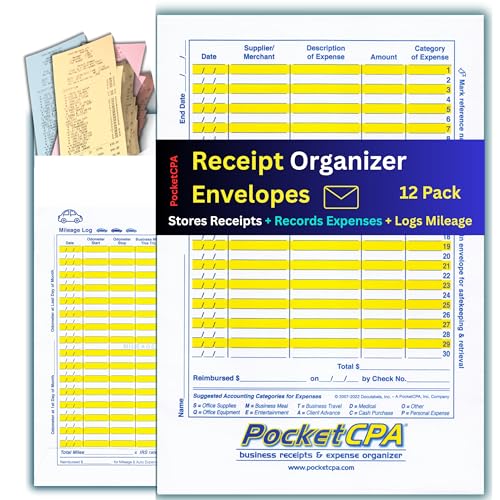
PocketCPA 3-in-1 Receipt Organizer Envelopes with Expense & Mileage Logs | 12-Pack | Organize Receipts, Track Business Expenses & Record Auto Mileage | 9.5" x 6.5" | Made in USA.
✅ All-in-One Receipt Organizers: USA-designed & manufactured organizers store, sort, and organize your receipts, expenses, and mileage with…
As an affiliate, we earn on qualifying purchases.
As an affiliate, we earn on qualifying purchases.
Conclusion
Exploring employer charging policies is like walking a tightrope—you need balance, confidence, and a keen sense of timing. By asking thoughtfully and framing your requests with care, you’re planting seeds that may bloom into approval. Remember, your approach is the compass guiding you through the fog of uncertainty. Stay persistent, stay courteous, and watch as your efforts bloom into positive results—turning “no” into a stepping stone toward “yes.”
EZ Home and Office Address Book Software
Address book software for home and business (WINDOWS 11, 10, 8, 7, Vista, and XP. Not for Macs)….
As an affiliate, we earn on qualifying purchases.
As an affiliate, we earn on qualifying purchases.

YvnShine Receipt Organizer Envelopes, 6.5×9.5 Inches, 12-Pack, Green, All-in-One Expense Tracker with Ledger & Mileage Log for Business Receipts Storage
COMPLETE SET: 12-pack of receipt envelopes with built-in expense ledger and mileage log sheets for comprehensive monthly business…
As an affiliate, we earn on qualifying purchases.
As an affiliate, we earn on qualifying purchases.