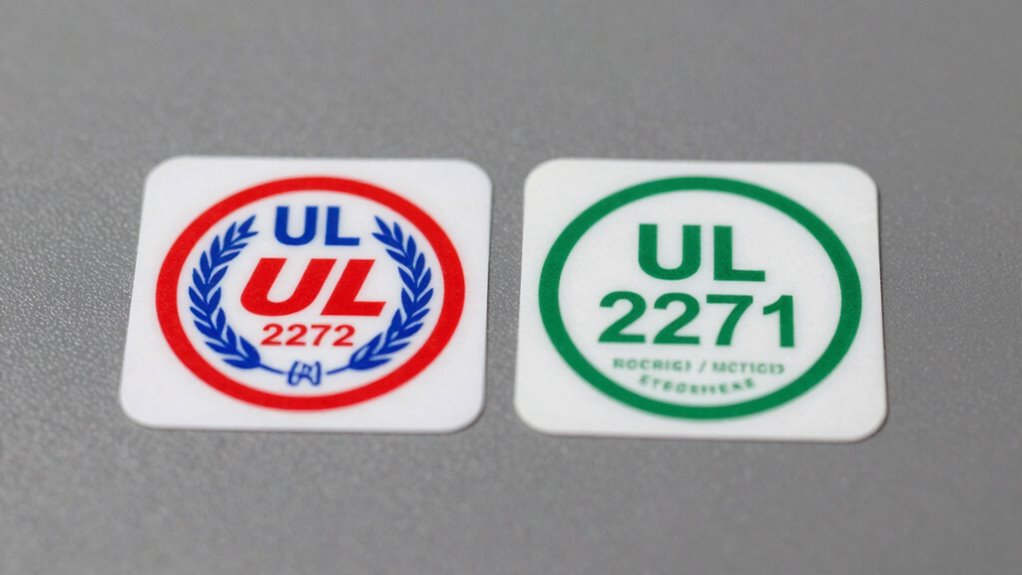

UL 2272 and UL 2271 may look similar on product labels but serve different purposes. UL 2272 certifies the safety of personal mobility devices like hoverboards, focusing on preventing fires and electrical hazards. UL 2271, on the other hand, applies to rechargeable batteries used in various electronics, ensuring they’re safe during charging and discharging. Recognizing these differences helps you understand what safety guarantees are behind each label—if you keep exploring, you’ll uncover more details.
Key Takeaways
- UL 2272 certifies safety for personal mobility devices like hoverboards, focusing on fire prevention and electrical safety.
- UL 2271 certifies rechargeable batteries used in various electronics, emphasizing durability and safety during charging and discharging.
- Although labels may look similar, UL 2272 applies to device safety, while UL 2271 pertains to battery safety and reliability.
- Confusion arises because both standards involve batteries but serve different device categories and safety purposes.
- Recognizing the distinct scope of each label helps consumers make informed safety and purchasing decisions.

Are UL 2272 and UL 2271 standards truly different, or do they serve similar purposes in ensuring safety? When it comes to battery safety, understanding these certification standards can feel overwhelming, especially with the confusing labels you often see on products. Both standards aim to protect users from hazards like fires, electrical failures, and malfunctions, but they focus on different types of devices and safety aspects. Recognizing these differences is key to making informed decisions and avoiding potential risks.
UL 2272 specifically addresses the safety of electric scooters, hoverboards, and similar personal transportation devices. It sets rigorous testing requirements for electrical systems, batteries, and chargers to ensure they won’t overheat or catch fire during normal use. If a product bears the UL 2272 mark, you can be confident it has undergone thorough evaluation for battery safety, reducing the risk of electrical failures or thermal runaway. This certification standard helps manufacturers demonstrate their commitment to safety and gives consumers peace of mind when choosing personal mobility devices.
UL 2272 certifies safety for personal mobility devices like hoverboards, ensuring they won’t overheat or catch fire during use.
On the other hand, UL 2271 covers a broader range of smart batteries used in various electronic devices, including medical equipment, portable power packs, and other rechargeable battery systems. This standard emphasizes the safety and reliability of the entire battery pack, including the design, construction, and performance under different conditions. If a product has UL 2271 certification, it indicates that the battery has been tested for durability, safety during charging and discharging, and resistance to internal faults. It’s about establishing a solid baseline for battery safety in a wide array of applications.
While both standards focus on safety, their scope and application differ. UL 2272 is more specific to personal transportation devices, emphasizing fire prevention and electrical safety, while UL 2271 covers the safety of rechargeable batteries used across many electronic products. The labels you see on these products might look similar, but they serve different certification purposes. Recognizing the difference helps you understand the level of safety assurance a product provides and whether it meets the necessary safety requirements for your specific use.
Essentially, these standards function to minimize hazards associated with batteries and electrical systems. They’re part of the certification standards that manufacturers must meet to ensure their products are safe for consumers. When you check for these labels, you’re not just looking for compliance; you’re verifying that the device has been tested against strict safety criteria. Knowing which standard applies helps you make smarter, safer choices about the electronic devices you use daily. Additionally, advancements in European cloud server technology are contributing to safer and more sustainable electronic device manufacturing and testing processes.

JXFUKAL Bike Bags for Bicycle Rear rack - 9.5L/17L/40L Hard Shell Waterproof Bike Ebike Trunk Pannier Saddle Seat Bag Carrier with Reflector, Rain Cover & Shoulder Strap for Commuter Travel Outdoor
- Waterproof Hard Shell: Made of EVA and PU coating
- Multiple Storage Compartments: Includes main, inner, top pockets
- Ample Capacity: 9.5L with organized storage
As an affiliate, we earn on qualifying purchases.
Frequently Asked Questions
How Do I Identify the Correct Certification Label on a Device?
You can identify the correct certification label on a device by carefully inspecting its battery safety labels. Look for clear markings like “UL” or other recognized safety marks, and verify they specify the relevant standard—either UL 2272 or UL 2271. These labels confirm that the device’s battery has passed safety testing. Always verify the label’s authenticity to ensure you’re choosing a safe, certified product, especially when it comes to battery safety.
Are UL 2272 and UL 2271 Certifications Mutually Exclusive?
No, UL 2272 and UL 2271 certifications aren’t mutually exclusive; a device can have both. This overlap guarantees safety against battery fire risks, especially in devices with lithium-ion batteries. Certification overlap means a product meets multiple safety standards, providing better protection. When shopping, look for both labels to ensure your device is thoroughly tested for fire hazards and battery safety, giving you peace of mind.
Can a Device Have Both UL 2272 and UL 2271 Labels?
Think of certification labels as badges of honor for your device’s safety. Yes, a device can have both UL 2272 and UL 2271 labels. This shows it meets strict battery safety standards for electrical safety and fire risk. Having both labels means the product has been thoroughly tested for safety, giving you peace of mind. It’s like having two trusted guardians ensuring your device’s safety and reliability.
Do These Certifications Affect the Warranty or Insurance Coverage?
These certifications can impact your warranty and insurance coverage. If your device isn’t properly certified, you might face warranty denial or reduced coverage if issues arise. Insurance companies may also refuse claims if the product lacks UL certification, considering it unsafe. So, ensuring your device has the correct UL labels safeguards your warranty and helps maintain insurance coverage, giving you peace of mind and protection against potential damages or malfunctions.
What Safety Standards Do UL 2272 and UL 2271 Specifically Address?
Think of UL 2272 and UL 2271 as different safety checkpoints for batteries. UL 2272 specifically addresses electric scooter battery safety, focusing on fire and electrical hazards. UL 2271 covers communication and control batteries, ensuring they’re safe from overheating and short circuits. Your safety depends on these certification differences, which verify that batteries meet strict standards for fire, electrical, and thermal safety, reducing risks during everyday use.
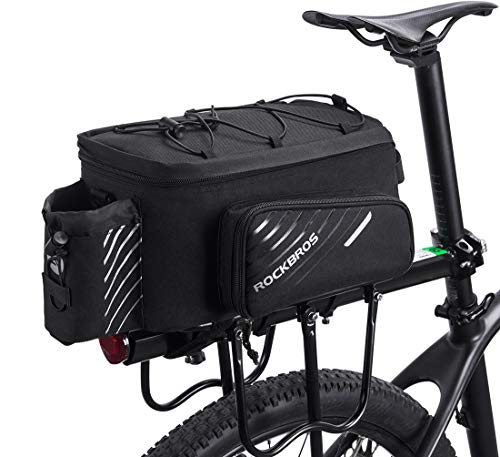
ROCKBROS 15L Bike Rear Rack Bag Pannier Trunk Bag with Rain Cover
- Large Capacity: 13L main compartment with expandable side pockets
- Organized Storage: Multiple compartments and inside pockets
- Stable Structure: Thick foam padding maintains shape
As an affiliate, we earn on qualifying purchases.
Conclusion
Understanding UL 2272 and UL 2271 labels is like steering through a maze—confusing but essential. By knowing the differences, you can confidently choose safe, reliable batteries and chargers. Think of these labels as your map through a cluttered toolbox, helping you pick the right tool for the job. Stay informed, stay safe, and remember: just like a lighthouse guides ships, clear labels lead you to better decisions.

KEMIMOTO 3-in-1 Rear Bike Bag, 11L Convertible Backpack/Shoulder Bag, Black
- Large Capacity with Multiple Pockets: 11L storage with various compartments
- Water-Resistant Material: Made of waterproof PVC Oxford fabric
- Convertible Backpack and Shoulder Bag: Adjustable straps for versatile carrying
As an affiliate, we earn on qualifying purchases.
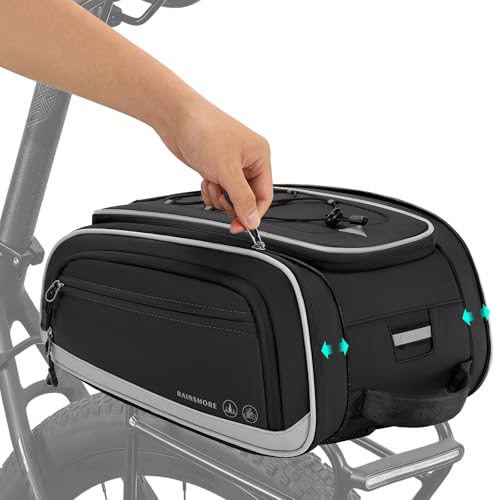
RAINSMORE Bike Bags for Bicycle Rear Rack - 15L-23L Expandable Waterproof Bike Trunk Bag with Rain Cover, 4-in-1 Pannier Saddle Bag & Backpack for Ebike, Commuter Travel Outdoor
- 4-in-1 Travel System: Converts to backpack, shoulder bag, or tote
- Expandable Capacity: From 15L to 23L with side panniers
- Tangle-Free Design: Hidden straps prevent dangling during rides
As an affiliate, we earn on qualifying purchases.