TL;DR

Get bike and ride gear delivered free with Prime
- Fast, free delivery on millions of items
- Prime Video, Amazon Music and more included
- Member-only deals all year
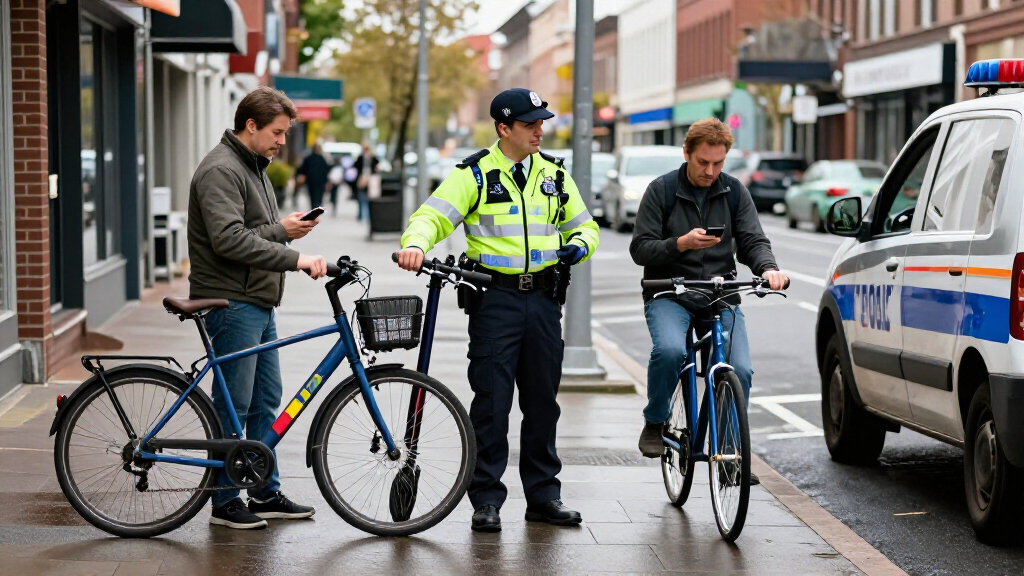
A Tewkesbury neighbourhood policing team posted that privately owned e-bikes require road tax, insurance and an MOT, then removed the post after the information was challenged. Gloucestershire Police acknowledged that an appeal contained incorrect information; Cycling UK said the post confused legal e-bikes with electric motorbikes.
Gloucestershire Police removed a Tewkesbury Neighbourhood Policing team post that wrongly said privately owned e-bikes require road tax, insurance and an MOT, after the advice was criticised for confusing legal pedal-assist bicycles with electric motorbikes. The post had appeared as part of an appeal for information about reported dangerous riding in Brockworth, Gloucestershire.
The now-deleted Facebook post said privately owned e-bikes required vehicle tax, insurance and a valid MOT. It also warned that people breaking the law could face a £300 fixed penalty, six points on a driving licence, and seizure and destruction of an illegal electric bike or scooter. The police appeal concerned a report of dangerous riding; the source report does not say whether the rider or vehicle involved was identified.
A spokesperson for Gloucestershire Police said the force had issued an appeal in recent days that included incorrect information about e-bikes. The force said it removed the article from its online sites after the error was brought to its attention. It directed readers to the government’s guidance on riding an electrically assisted pedal cycle.
Cycling UK policy director Duncan Dollimore said the post confused e-bikes with e-motorbikes, which are subject to different rules. Under the criteria set out in the report, a legal electrically assisted pedal cycle (EAPC) must provide assistance only while the rider pedals, stop assisting at 15.5 mph, and have continuous rated motor power of no more than 250 watts. Vehicles outside those criteria are not treated as EAPCs and may need registration, tax and insurance.
Why Accurate E-Bike Advice Matters
The error matters because police guidance can influence how riders understand their legal obligations and how members of the public interpret enforcement. A broad statement that e-bikes need tax, insurance and an MOT risks giving people who ride compliant pedal-assist cycles the wrong impression about their responsibilities.
At the same time, the distinction is relevant to enforcement: a vehicle that does not meet the EAPC criteria may fall under different legal requirements. Dollimore argued that misconceptions create problems for genuine e-bike riders and called for police forces to receive better training and use clear national procedures to assess whether a vehicle is an EAPC or an electric motorbike. That is his advocacy group’s position; the source material does not establish whether national procedures are planned.
Popular right now

Sony WH-1000XM6 Wireless Noise-Canceling Over-Ear Headphones, Blue, Bundle

Vitamix Propel Series 750 Professional-Grade Blender, 4 Programs, Black

Ninja Luxe Café Mini Plus Espresso and Drip Coffee Machine with AutoFroth, Stainless Steel, ES351
As an affiliate, we earn on qualifying purchases.
The EAPC Rules Behind the Dispute
In the UK, an electrically assisted pedal cycle is defined by how its motor assists the rider and by limits on its speed and power. The report describes the key requirements as pedalling to activate assistance, assistance cutting out at 15.5 mph, and a continuous rated output no higher than 250 watts. These characteristics distinguish a qualifying EAPC from a more powerful or independently driven electric vehicle.
The distinction explains why the blanket wording in the deleted post drew criticism. According to Cycling UK, EAPCs do not require vehicle tax, insurance or an MOT, while electric motorbikes and vehicles that do not meet EAPC rules may require registration, tax and insurance. The original appeal was about reported dangerous riding in Brockworth, but the available account does not provide details about the vehicle or establish that it was an e-bike under the legal definition.
“In recent days we issued an appeal which included some incorrect information in relation to e-bikes. Once this was brought to our attention, we removed the article from our online sites.”
— Gloucestershire Police spokesperson
Details of the Brockworth Report
The police have not, in the information provided, explained what type of vehicle was involved in the reported dangerous riding, whether it met the EAPC criteria, or whether anyone was identified or penalised. The original appeal has been removed, and the force’s spokesperson did not state whether a corrected version would be published.
The source also does not give the exact date the post appeared or was taken down, or say whether the force has changed its guidance for officers. Dollimore called for better police training and clear national procedures, but there is no confirmation here that such steps have been adopted or scheduled.
Further Police Guidance Awaited
Gloucestershire Police’s stated action so far is to remove the incorrect online material. The force referred readers to the government’s published guidance on electrically assisted pedal cycles, but has not announced further action in the information available.
Any update from the force could clarify whether it plans to republish the Brockworth appeal with corrected wording or review how officers distinguish EAPCs from electric motorbikes. Until then, riders can consult the government guidance for the rules, while the circumstances of the reported dangerous riding remain unconfirmed in the source account.
Key Questions
What did the deleted police post say about e-bikes?
It said privately owned e-bikes require road tax, vehicle insurance and a valid MOT, and warned of possible penalties and seizure for people breaking the law. Gloucestershire Police later said the appeal included incorrect information and removed it.
Do legal e-bikes need road tax, insurance or an MOT?
According to Cycling UK and the report’s summary of the rules, a qualifying electrically assisted pedal cycle does not require vehicle tax, insurance or an MOT. The classification depends on requirements including pedal assistance, a 15.5 mph assistance limit and a continuous rated power output of no more than 250 watts.
How is an e-bike different from an electric motorbike?
A legal EAPC provides motor assistance when the rider pedals and must meet the relevant speed and power limits. A vehicle that does not meet those criteria is not a qualifying EAPC and may be subject to registration, tax and insurance requirements.
What did Gloucestershire Police do after the criticism?
A force spokesperson said the online article was removed after the incorrect information was brought to the force’s attention. The information provided does not say whether the police will issue a corrected appeal or review wider guidance.
What is known about the reported dangerous riding in Brockworth?
The deleted post was an appeal for information about a report of dangerous riding in Brockworth. The available source does not identify the vehicle, say whether it was an EAPC or electric motorbike, or report an outcome in the case.
Source: rss