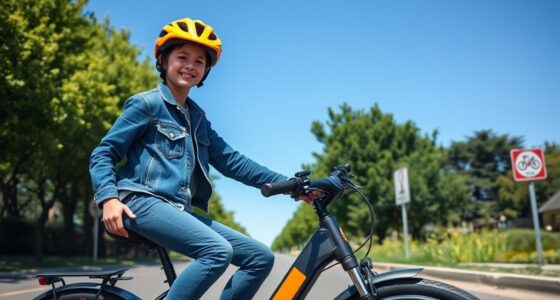

Canada’s e-bike rules vary by province, affecting your licensing, registration, helmet use, and speed limits. In provinces like Ontario and British Columbia, e-bikes up to 32 km/h usually don’t need registration or insurance, but helmets are mandatory. Quebec requires riders to be 14+ and wear helmets, with no registration needed if certain limits are met. Alberta and Manitoba generally treat e-bikes like bicycles, with few restrictions. To find out how rules apply where you ride, explore more details ahead.

Get bike and ride gear delivered free with Prime
- Fast, free delivery on millions of items
- Prime Video, Amazon Music and more included
- Member-only deals all year
Key Takeaways
- E-bike laws, including speed limits and licensing, vary across Canadian provinces and territories.
- Ontario and British Columbia generally do not require registration or licensing for e-bikes up to 32 km/h.
- Quebec mandates helmet use and age restrictions but treats e-bikes as bicycles without registration.
- Alberta and Manitoba do not require licensing or registration, focusing on safety gear and helmet use.
- Understanding regional classifications and specific regulations is essential for legal and safe e-bike riding in Canada.
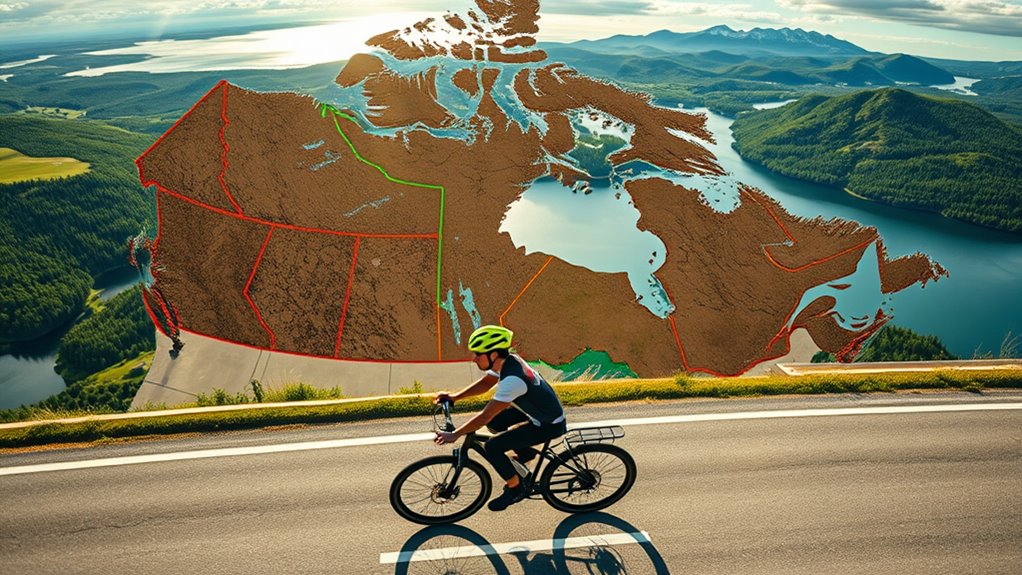
Canada’s e-bike regulations vary widely from province to province, so it’s important to understand the specific rules where you plan to ride. When it comes to electric bike safety, each province sets its own standards for speed limits, helmet requirements, and licensing rules. Some provinces treat e-bikes like traditional bicycles, while others require registration, insurance, or even a driver’s license. Knowing these details helps guarantee you stay compliant and ride confidently.
Canada’s e-bike laws vary by province, affecting safety gear, licensing, and registration requirements.
In provinces like Ontario and British Columbia, e-bikes with motor assistance up to 32 km/h generally don’t require provincial licensing, registration, or insurance. However, safety gear, especially helmets, is mandated for all riders, regardless of age. Ontario, for instance, classifies e-bikes into three categories, with only Class 1 and 2 bikes considered bicycles, which means you don’t need a license to operate them. But for Class 3 bikes, which can reach faster speeds, a driver’s license might be necessary, and they may be subject to different rules. This distinction emphasizes the importance of understanding your specific e-bike class and the associated safety and licensing requirements.
In Quebec, e-bike regulations are stricter. The province requires riders to be at least 14 years old and to wear a helmet. E-bikes are classified as bicycles, but provincial licensing or registration isn’t required for bikes that meet certain technical specifications. Still, if your e-bike exceeds the speed or power limits set by provincial law, you might need to register it or obtain a license. This highlights the importance of checking your e-bike’s specifications against local laws to assure safety and legality. Additionally, e-bike classifications vary across provinces, affecting licensing and safety requirements.
Alberta and Manitoba have their own rules as well. Alberta doesn’t require licensing or registration for e-bikes, but riders must adhere to safety standards, including helmet use. Manitoba treats e-bikes similarly to bicycles, with no licensing or registration needed, but safety equipment remains mandatory. These rules make riding accessible but remind you that electric bike safety isn’t just about obeying the law; it’s also about protecting yourself and others on the road.
Top picks for "canada bike province"
As an affiliate, we earn on qualifying purchases.
Frequently Asked Questions
Can I Ride My E-Bike on Sidewalks in Canada?
You generally can’t ride your e-bike on sidewalks in Canada, as it’s usually reserved for pedestrians. For e-bike safety, always wear proper safety gear like a helmet and reflective clothing. If you choose to ride on a sidewalk where it’s permitted, go slow and stay alert to pedestrians. Remember, riding on designated bike lanes is safer and helps you avoid fines or accidents. Prioritize safety and follow local regulations.
Are E-Bike Helmets Mandatory Across All Provinces?
Helmet laws for e-bikes vary across provinces, but generally, wearing a helmet is mandatory for riders under a certain age. You should always wear proper safety equipment, including a helmet, whenever you ride your e-bike to protect yourself. Check your local regulations to confirm specific requirements, as some provinces enforce strict helmet laws, while others may have more lenient rules. Prioritize safety and always wear a helmet when riding.
How Do E-Bike Regulations Differ in Urban Versus Rural Areas?
In urban areas, you must follow bike lane rules, stay within designated lanes, and often adhere to speed limits. Rural trail regulations are usually more relaxed, but you still need to respect trail signage and avoid damaging natural surroundings. You’ll find fewer restrictions in rural zones, but always stay aware of local rules, especially on shared pathways. Whether riding in city or countryside, prioritize safety and stay informed on specific local regulations.
Are There Age Restrictions for Riding E-Bikes in Canada?
In Canada, age restrictions for riding e-bikes typically require riders to be at least 16 years old, but this can vary by province. You might also need to meet licensing requirements depending on your location and the e-bike’s power. Always check your local rules before riding, as some provinces enforce stricter age limits or additional licensing, ensuring your safety and compliance with the law.
Do E-Bikes Need to Be Registered or Insured?
You don’t need to register or insure your e-bike in most provinces, but don’t let that lull you into complacency. While registration requirements and insurance mandates are often waived, some provinces may have specific rules for high-powered models. Always check local regulations, because riding without proper documentation can lead to fines or liability issues. Stay informed, ride safely, and make certain you’re compliant to enjoy your e-bike worry-free.
Conclusion
Guiding Canada’s e-bike rules is like riding through a diverse landscape—each province offers its own unique path. Staying informed helps you enjoy your rides safely and confidently, no matter where you’re exploring. Think of these regulations as your guiding compass, ensuring your journey is smooth and worry-free. Embrace the adventure ahead with knowledge as your trusted co-pilot, and let your passion for cycling take you places you’ve only dreamed of.
Fall Picks
fall essentials
As an affiliate, we earn on qualifying purchases.