
In New York State and NYC, you’ll need to ride your e-bike according to specific rules. Make sure your bike has a motor no larger than 750 watts and is properly equipped with brakes, a bell, and lights. Riders under 16 must stick to Class 1 or 2 bikes, and helmets are required under 18. You can ride on streets and bike lanes but not sidewalks unless permitted. Keep these laws in mind, and you’ll be ready for a safe, legal ride—more details await you.
Key Takeaways
- E-bike classifications (Classes 1-3) determine speed limits and where they can be ridden legally.
- Riders under 16 can operate Classes 1 and 2; helmets are mandatory for those under 18.
- E-bikes are allowed on streets and bike lanes, but not on sidewalks unless explicitly permitted.
- E-bikes must have motors ≤ 750 watts, operational brakes, and a bell or horn to meet safety standards.
- Following traffic laws, including signals, and ensuring legal operation helps avoid citations and promotes safety.
If you’re contemplating riding an e-bike in New York State or New York City, it’s vital to comprehend the current laws that govern their use. Knowing the rules helps you stay safe and guarantees you’re legally compliant. Bike safety is a top priority, and understanding how the law applies to e-bikes is key to avoiding fines or legal issues. In New York, e-bikes are classified into three categories based on their motor power and speed capabilities. Class 1 e-bikes provide pedal-assist up to 20 mph, Class 2 have a throttle and also reach 20 mph, and Class 3 can go up to 28 mph with pedal assist. Recognizing which class your e-bike falls into helps you follow the correct regulations and ride confidently.
Legal compliance begins with age restrictions. In New York, riders must be at least 16 years old to operate a Class 3 e-bike, while there’s no minimum age for Classes 1 and 2. Helmets are mandatory for riders under 18, emphasizing bike safety and reducing injury risks. You should also familiarize yourself with where you can ride your e-bike. In NYC, e-bikes are allowed on streets, bike lanes, and certain pathways, but not on sidewalks, unless explicitly permitted. Riding on sidewalks can pose safety hazards for pedestrians and may lead to citations. Additionally, e-bike users must stick to traffic laws just like traditional cyclists—obey traffic signals, use hand signals, and stay in designated bike lanes when available. These rules serve both your safety and the safety of others, reinforcing the importance of legal compliance.
Furthermore, your e-bike needs to meet certain standards to be legally used in New York. It should have a motor that doesn’t exceed 750 watts, and the bike must be equipped with operational brakes and a bell or horn. These requirements are designed to promote bike safety and ensure your e-bike can be operated responsibly on public roads. High-quality e-bikes are more likely to meet these safety standards and provide reliable performance. Insurance isn’t mandatory for e-bike riders, but it’s worth considering, especially if you want added protection in case of accidents. Being aware of local laws and adhering to them not only helps you stay within legal boundaries but also contributes to safer riding experiences for everyone.
![Lamicall Bike Frame Bag Waterproof - [1s Release] [2 in 1] Bike Phone Mount Holder, Bicycle Top Tube Bag, Cycling Pouch with Rain Cover, Bikes Accessories Gifts for Phones Under 7"](https://m.media-amazon.com/images/I/41WyOmmNsYL._SL500_.jpg)
Lamicall Bike Frame Bag Waterproof - [1s Release] [2 in 1] Bike Phone Mount Holder, Bicycle Top Tube Bag, Cycling Pouch with Rain Cover, Bikes Accessories Gifts for Phones Under 7"
【 Quick Install and Remove】 The installation process for this bike frame bag is quick and easy, you...
As an affiliate, we earn on qualifying purchases.
Frequently Asked Questions
Are E-Bikes Allowed on Sidewalks in New York City?
You shouldn’t ride your e-bike on sidewalks in New York City, as it’s generally forbidden to protect pedestrian safety. Sidewalk riding can lead to accidents and endanger pedestrians. Instead, you should stay on designated bike lanes or streets where riding is permitted. Always prioritize pedestrian safety by avoiding sidewalks, and follow local laws to ensure a safe environment for everyone.
What Safety Gear Is Legally Required When Riding an E-Bike?
Think of safety gear as your armor on the city’s battlefield. Legally, you must wear a helmet that meets safety standards, and reflective gear isn’t just for visibility—it’s your beacon in the urban night. Reflective clothing and lights are required to stay seen and safe. By donning this gear, you shield yourself from harm and show respect for the rules that keep everyone safe on busy streets.
Can I Ride an E-Bike on Public Transportation in New York?
You can ride your e-bike on public transportation in New York, but you need to make sure it meets registration and licensing requirements. Most transit systems allow e-bikes if they’re properly registered, and you carry any necessary proof of registration. Check specific transit rules before boarding, as some may have restrictions on size or type. Staying compliant helps you avoid fines and makes your commute smoother.
Are There Age Restrictions for E-Bike Riders in New York?
Think of riding an e-bike in New York like entering a game with specific rules. You must be at least 14 years old to ride, and younger riders need an adult’s supervision. No special licensing requirements apply for most riders, but if you’re under 18, you might need a parent’s permission. Always check local regulations to stay within the rules and keep your ride safe and fun.
How Do E-Bike Laws Differ Between NYC and Other Parts of New York State?
In NYC, municipal regulations are stricter, requiring e-bike registration and adherence to specific licensing requirements, especially for commercial use. Outside NYC, laws are generally more relaxed, with fewer licensing needs and less strict registration rules. You should always check local regulations because they can vary markedly, and some areas may have additional restrictions on e-bike use, especially on bike paths or public roads.
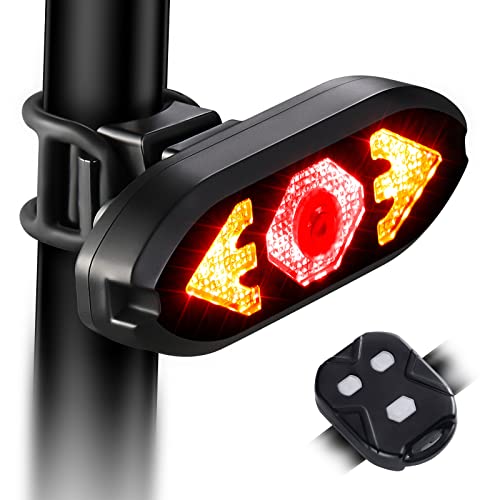
Bike Tail Light with Turn Signals Wireless Remote Control Waterproof Bicycle Rear Light Back USB Rechargeable Ultra Bright Safety Warning Cycling Taillight for Night
【Smart Super Bright Bicycle Tail Light】Our bicycle taillights are equipped with 100 lm LED light to provide excellent...
As an affiliate, we earn on qualifying purchases.
Conclusion
As you navigate New York’s evolving e-bike laws, stay alert—you never know when a new regulation might change everything. With the city’s rapid updates and shifting policies, what’s legal today could be different tomorrow. Keep yourself informed and prepared, because the future of e-biking in NYC is still unfolding. Are you ready to ride confidently into that unknown, or will the next law catch you off guard? The choice is yours.

Lamicall Bike Phone Holder, Motorcycle Mount - Motorcycle Phone Holder, Handlebar Cell Phone Clamp, E-Bike Scooter Phone Clip for iPhone 17 Air Pro Max, 16 15 Plus, S20, 4.7 to 6.8" Smartphones
Sturdy and Safe: A special shape of this motorcycle & bike phone holder grips each corner of your...
As an affiliate, we earn on qualifying purchases.
![LISEN Bike Phone Holder, [Super Easy Install] Motorcycle Phone Mount Ebike Accessories Bicycle Handlebar Holder Mount Gifts for Adults Kids Men Mountain Mini Bike Scooter Gear Accessories, Black](https://m.media-amazon.com/images/I/41f8iCmkMsL._SL500_.jpg)
LISEN Bike Phone Holder, [Super Easy Install] Motorcycle Phone Mount Ebike Accessories Bicycle Handlebar Holder Mount Gifts for Adults Kids Men Mountain Mini Bike Scooter Gear Accessories, Black
[Ultra-Secure Hold] – LISEN bike phone holder mount keeps your phone firmly in place even on bumpy or...
As an affiliate, we earn on qualifying purchases.