After a rainy ride, turn off your e-bike and remove the battery if possible. Wipe down the frame and electrical components with a soft, dry cloth to remove surface moisture, then let it air dry in a cool, dry, and well-ventilated area. Avoid heat or direct sunlight, as these can damage batteries. Regularly check for water ingress and consider waterproofing your connectors for added protection. For more tips on keeping your e-bike in top shape after wet rides, keep exploring.
Key Takeaways
- Turn off the e-bike and remove the battery, then wipe with a soft, dry cloth to remove surface moisture.
- Dry the bike in a well-ventilated, shaded area, avoiding direct sunlight or heat sources.
- Use a soft, absorbent cloth to gently pat dry all components, especially electrical connectors and joints.
- Allow the battery and internal parts to air dry completely before storage or use.
- Check and clear drainage or ventilation holes to prevent water accumulation and promote drying.

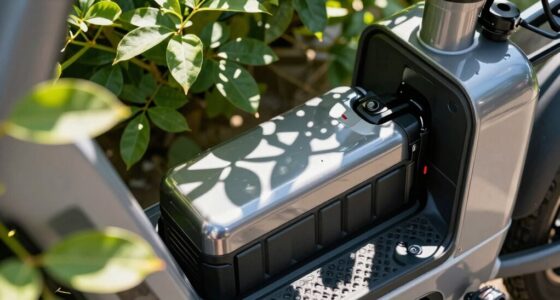
After a rainy ride, drying your e-bike properly is crucial to prevent damage and keep it in top condition. Water exposure, especially during wet conditions, can lead to issues like rust, corrosion, and compromised components. One of the most critical aspects of caring for your e-bike after a downpour is battery maintenance. Since the battery is a sensitive and expensive part, you want to guarantee it stays dry and well-maintained. First, turn off your e-bike and remove the battery if possible. Wipe it down with a soft, dry cloth to remove any surface moisture. Avoid using heat or direct sunlight to dry the battery, as rapid temperature changes can damage internal components. Instead, let it air dry in a cool, dry place, or use a soft, absorbent cloth to gently pat it dry. If your e-bike’s battery compartment has drainage or ventilation holes, check that they are clear of debris to prevent moisture buildup. Implementing waterproofing techniques is your best line of defense against future rain exposure. Before riding in wet conditions, consider applying a waterproof spray or sealant to vulnerable areas like the electrical connectors, wires, and joints. These protective coatings can add an extra layer of defense, reducing the risk of water seeping into critical parts. When drying your e-bike, pay particular attention to areas prone to water retention, such as the chain, gears, and braking system. Use a soft brush or cloth to remove mud and dirt, then apply a lubricant designed for wet conditions to keep moving parts functioning smoothly. This not only prevents rust but also guarantees optimal performance. For the frame, a gentle wipe-down with a damp cloth followed by a dry one is usually sufficient, but avoid excessive water contact with sensitive electrical components. Properly drying and storing your e-bike in a dry and shielded area helps prevent further moisture exposure and corrosion. Regularly inspecting your e-bike for signs of water ingress can help catch potential issues early. Implementing waterproofing techniques during maintenance, like sealing electrical connections with dielectric grease, adds an extra layer of protection. Proper drying, combined with proactive waterproofing, ensures your e-bike remains reliable and safe to ride in all weather conditions. Taking these steps helps preserve your bike’s battery health, prevents rust, and extends its lifespan, so you can enjoy riding rain or shine without worry.

XIUWK 2-Piece EBike Battery Cover Waterproof, Bicycle Frame Battery Protector Cover
- Package Includes: 2 thickened battery covers
- Material: Neoprene and diving fabric
- Waterproof Design: Water-resistant and durable
As an affiliate, we earn on qualifying purchases.
As an affiliate, we earn on qualifying purchases.
Frequently Asked Questions
How Often Should I Check for Rust After Riding in the Rain?
You should check for rust after riding in the rain at least once a week, especially if you ride frequently. During your check, focus on battery maintenance and rust prevention by inspecting exposed metal parts and the battery area. Regularly cleaning and drying your e-bike helps prevent rust buildup. If you notice any rust, address it promptly to keep your bike in top condition and guarantee safe, reliable rides.
Can I Use a Hairdryer to Dry My E-Bike?
You can use a hairdryer on a low, cool setting to dry your e-bike, but be cautious around sensitive parts like the battery and electrical components. Avoid direct contact with the battery and connectors, and consider applying waterproof coatings to protect against moisture. Regular battery maintenance, like checking for corrosion, helps guarantee safety and longevity. Remember, gentle drying preserves your e-bike’s electrical integrity without risking damage.
What Are Signs of Water Damage on an E-Bike?
You’ll notice water damage signs like rust on metal parts, corrosion around electrical components, or if your e-bike’s display and controls start acting weird. To prevent this, use waterproofing techniques like sealing connectors and applying dielectric grease, which also helps with corrosion prevention. Regularly inspect your bike after rides, especially in wet conditions, and dry it thoroughly to avoid water seepage into sensitive areas.
Is It Safe to Ride Immediately After Drying My E-Bike?
It’s generally safe to ride your e-bike immediately after drying it, but prioritize battery maintenance first. Make sure the battery and electrical components are completely dry to prevent damage. Check seals and consider waterproof accessories to keep moisture out during future rides. If you’re unsure, wait a bit longer or have a professional inspect your bike. Proper drying and waterproofing help maintain your e-bike’s performance and extend its lifespan.
Should I Remove the Battery Before Drying?
Think of removing the battery like opening a window to let moisture escape. You should definitely remove the battery before drying your e-bike; it helps prevent moisture from lingering inside and causing corrosion. Battery removal is key for moisture prevention, especially after a rainy ride. By doing this, you protect your e-bike’s electrical components, ensuring it stays safe and reliable. Always follow your manufacturer’s guidelines for proper battery handling.

Finish Line E-Bike Cleaning & Lubricant Kit – Complete Electric Bike Maintenance System with Cleaner, Speed Degreaser, and Lubricant – Safe for Electronics and High Torque Drivetrains
- E-Bike Specific Care: Safe for motors, batteries, electronics
- Complete Cleaning System: Includes cleaner and degreaser
- High-Torque Lubrication: Reduces friction and wear
As an affiliate, we earn on qualifying purchases.
As an affiliate, we earn on qualifying purchases.
Conclusion
After a rainy ride, drying your e-bike isn’t just about avoiding rust—it’s about preserving adventure. Think of your bike as a loyal steed, wet and weary, waiting for gentle care to restore its shine and power. With a soft cloth and a little patience, you’ll turn a muddy, rain-soaked day into a smooth, gliding ride again. Embrace this routine as a small act of love, transforming a soggy journey into your next great adventure.
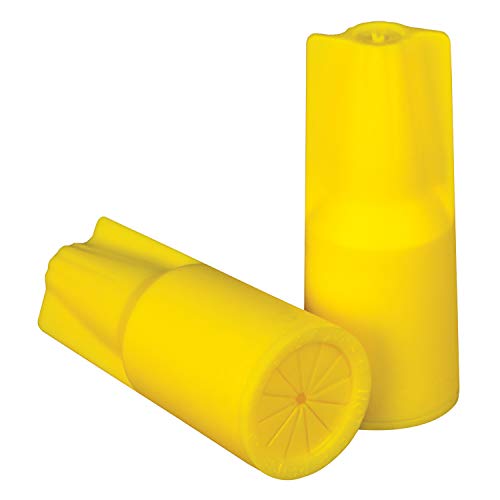
King Innovation 31556 Dryconn Waterproof Connector, Prefilled with Silicone Sealant, Yellow, Min. #22/Max. #8, Tracer Splices and Cathodic Applications up to 600V (10-Canister)
- Application: Suitable for outdoor use
- Protection: Waterproof and corrosion resistant
- Certification: UL 486D listed, 600V rated
As an affiliate, we earn on qualifying purchases.
As an affiliate, we earn on qualifying purchases.

WD-40 Specialist Bike Wet Chain Lube, 4 OZ
- Extreme Condition Wet Lube: Durable water and mud repellent coating
- Friction and Wear Prevention: Reduces friction, extends chain life
- No-Wax Formula: Prevents buildup inside chain links
As an affiliate, we earn on qualifying purchases.
As an affiliate, we earn on qualifying purchases.