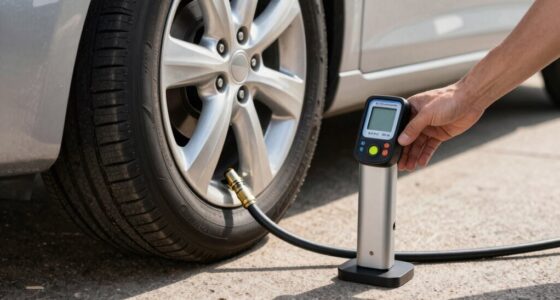
Using fast chargers is safe when you follow manufacturer instructions, use certified equipment, and avoid extreme weather conditions. They’re ideal for long trips or quick top-ups, saving you time. However, frequent high-speed charging can generate heat and stress your battery, leading to faster wear and reduced lifespan. Slower charging options are better for daily use. To keep your EV in top shape, it’s important to know when fast charging is appropriate—keep exploring for more tips.

Get bike and ride gear delivered free — and shop member deals
- Fast, free delivery on millions of items
- Access to Prime Big Deal Days deals on October 6–7
- Prime Video, Amazon Music and more included
Key Takeaways
- Use fast chargers primarily for long trips or urgent top-ups, not daily charging, to reduce battery stress.
- Ensure chargers and cables are certified, undamaged, and compatible to minimize safety risks.
- Avoid fast charging in extreme weather conditions, especially very cold or hot temperatures, to prevent damage.
- Rely on slower Level 2 chargers for regular daily charging to preserve battery longevity.
- Follow manufacturer guidelines and safety practices to prevent overheating, electrical faults, and potential fire hazards.

Have you ever wondered how electric vehicles can charge so quickly? The answer lies in fast chargers, which deliver high power levels to markedly reduce charging times. While they’re incredibly convenient, it’s vital to understand when using these chargers is safe and when it might be a bad idea. One major consideration is the impact on your vehicle’s battery lifespan. Fast charging generates more heat and stress on the battery cells, which can accelerate wear over time. If you frequently rely on rapid chargers, you might notice a gradual decrease in your battery’s overall health, leading to reduced range and potentially costly replacements down the line. That’s why, for everyday use, many EV manufacturers recommend slower, Level 2 charging, which is gentler on the battery and helps preserve its longevity. Proper charging practices also play a crucial role in maintaining battery health over time.
Charging safety is another essential aspect. Fast chargers are designed with sophisticated safety features, but improper use or faulty equipment can pose risks. For instance, using an incompatible or damaged charger can cause electrical faults or overheating, creating fire hazards or damage to your vehicle’s electrical system. Always make sure that you’re plugging into certified charging stations and following the manufacturer’s guidelines. Avoid using damaged cables or connectors, as they may not handle high power loads safely. Additionally, charging your EV in extreme weather conditions, such as very hot or cold environments, can affect both safety and battery health. Cold temperatures, in particular, can slow down charging and reduce the efficiency of energy transfer, while excessive heat can compromise safety and accelerate battery degradation.
Knowing when to use fast chargers is vital. They’re fantastic in situations where you need a quick top-up—like during long road trips or if you’re in a hurry. However, for regular daily charging, it’s better to stick with slower options. This approach minimizes the thermal stress on your battery and prolongs its lifespan, saving you money in the long run. It’s also wise to avoid frequent fast charging if your vehicle’s manufacturer advises against it for routine use. By being mindful of when and how you use fast chargers, you can enjoy the convenience without sacrificing safety or the health of your battery. Ultimately, understanding these factors helps make sure your EV remains reliable, safe, and cost-effective over its lifetime.
Frequently Asked Questions
Do Fast Chargers Shorten My Device’s Overall Lifespan?
Fast chargers can slightly accelerate battery degradation over time because their increased charging speed puts more stress on your device’s battery. However, modern devices are designed to handle fast charging safely, and the impact on overall lifespan is minimal if you don’t use fast charging constantly. To protect your battery, avoid always relying on fast chargers and switch to slower charging when possible, especially during overnight charging.
Are Fast Chargers Compatible With All Smartphone Brands?
Fast chargers aren’t compatible with all smartphone brands because of differing brand compatibility and charger standards. You need to check your device’s specifications to guarantee it supports fast charging and verify if the charger adheres to the appropriate standards like USB Power Delivery or Qualcomm Quick Charge. Using incompatible chargers can cause slow charging or potential damage. Always choose a charger that matches your device’s compatibility and the proper charger standards for safe, efficient charging.
Can Using a Fast Charger Cause Overheating or Fire Hazards?
Think of your phone’s battery as a delicate garden. Using a fast charger can be like overwatering—it may cause battery degradation or, in rare cases, overheating and fire hazards. While modern fast chargers include safety features to prevent these risks, improper use or incompatible devices might still pose dangers. For ideal charging safety, always use certified chargers and avoid excessive heat, ensuring your device stays healthy and safe.
How Do I Identify if My Device Supports Fast Charging Safely?
To see if your device supports fast charging safely, look for the charging indicator that signals quick charge mode. Check your device’s user manual or the manufacturer’s website for compatibility symbols or logos indicating fast charging support. Confirm you use the original or certified fast chargers designed for your device. If in doubt, verify compatibility with official sources to avoid overheating or damage while enjoying faster charging speeds.
Are Third-Party Fast Chargers as Safe as Manufacturer-Approved Ones?
Third-party fast chargers can be safe if they meet specific charging standards and carry proper certification labels. You should look for chargers that adhere to reputable standards like USB-IF or UL certification, ensuring safety, compatibility, and quality. Always verify these labels before using third-party chargers, and compare them to manufacturer-approved options. By doing so, you protect your device, optimize charging speed, and avoid potential hazards.
Conclusion
Think of fast chargers as a double-edged sword—they can energize your journey quickly or cut short your battery’s lifespan if misused. When used wisely, they’re a beacon of progress, lighting the way to a greener future. But rushing into every charge without caution can weaken your power source, leaving you stranded. Remember, patience is the true fuel—sometimes, slow and steady keeps your energy flowing longer, guiding you safely toward tomorrow’s road.
Fall Picks
fall essentials
As an affiliate, we earn on qualifying purchases.