To quiet your e-bike quickly, start by inspecting and tightening loose bolts on wheels, suspension, and components. Check tire pressure and make sure your brakes aren’t rubbing, and lubricate chains and pivot points to reduce squeaks. Clean battery terminals and verify the battery is secure for smooth operation. Regular maintenance like truing wheels and tightening spokes can eliminate rattles. Keep exploring these tips to discover more ways to keep your e-bike running silently and smoothly.
Key Takeaways
- Regularly inspect and tighten loose bolts on suspension, wheels, and frame components.
- Lubricate chains, derailleurs, and pivot points to reduce squeaks and creaks.
- Check and adjust brake calipers and pads to prevent rubbing and rattling.
- Ensure tires are properly inflated to the recommended PSI for smooth, quiet riding.
- Clean and maintain the battery terminals to prevent electrical noise and ensure optimal performance.
If your e-bike has started making more noise than you’d like, it’s often possible to quiet it down with some simple adjustments and maintenance. One of the first steps is to check your bike’s battery and tire pressure. Proper battery maintenance ensures your system runs smoothly and quietly, while correct tire pressure can eliminate many rattles and creaks caused by improper contact with the road. When your battery is in good shape, your motor operates more efficiently, reducing vibrations that can translate into noise. Keep the battery terminals clean, ensure it’s securely mounted, and follow the manufacturer’s guidelines for charging and storage. A well-maintained battery not only prolongs its lifespan but also minimizes any noise stemming from electrical or mechanical issues.
Next, focus on your tires. Under-inflated tires create more rolling resistance and can make your e-bike rattle or squeak as they flex and bounce with each turn of the wheel. Check your tire pressure regularly, especially before long rides. Use a reliable gauge to ensure they’re inflated to the recommended PSI, which you can find on the tire sidewall or in your owner’s manual. Properly inflated tires roll more smoothly and quietly, reducing vibrations and noise. If you notice any irregularities in how your tires feel or sound, inspect for damage or embedded debris that might cause uneven contact or additional noise.
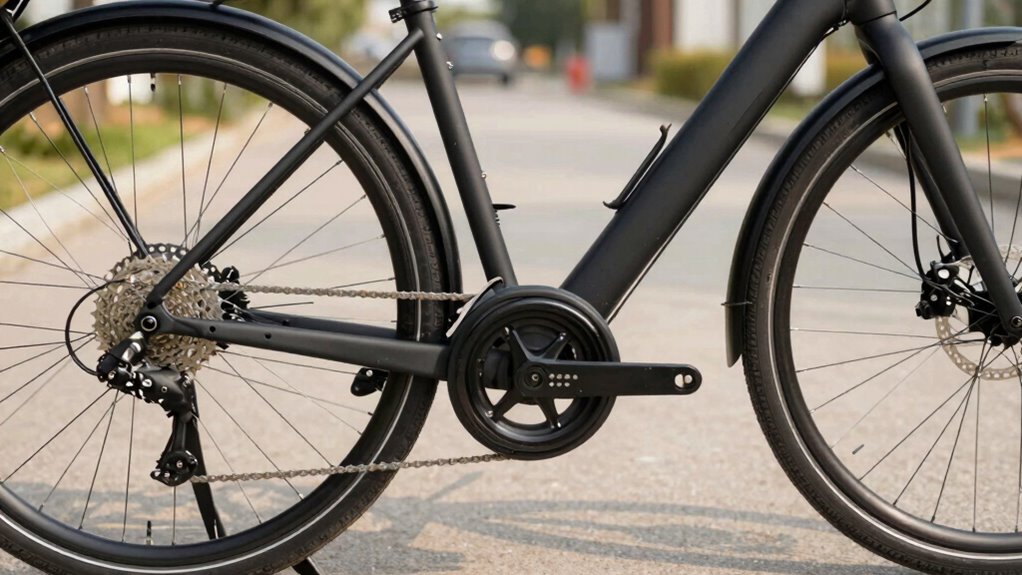
Beyond tire pressure, consider inspecting your wheel hubs, spokes, and axles. Loose spokes or a wobbly wheel can generate creaks and rattles. Tighten loose spokes carefully using a spoke wrench, and spin the wheel to see if it wobbles or makes noise. If it does, consider getting it professionally trued. Similarly, ensure your brakes aren’t rubbing against the rims or rotors, as this can produce squeaks and grinding sounds. Adjust the brake calipers if needed, making sure they’re centered and not forcing the pads against the rotor when you’re not braking.
Additionally, check your bike’s suspension components, if it has them. Loose or worn suspension parts often cause knocking or rattling noises. Tighten bolts and consider replacing worn bushings or bearings. Regularly lubricate moving parts like the chain, derailleurs, and pivot points with a suitable bike lubricant. This will reduce squeaks and ensure smooth operation. Performing routine inspections and maintenance can also help identify potential issues early before they become more serious.
In essence, a combination of proper battery maintenance, correct tire pressure, and routine inspections can markedly quiet your e-bike. These small steps don’t just improve noise levels—they also extend your bike’s lifespan and enhance your riding experience. Taking the time to keep everything in good working order makes a noticeable difference, turning your noisy ride into a smooth, silent glide.

Tannus Armour Tire Insert, Puncture-Proof Bike Tube Protector for Gravel, Fat Tire Tube and E-Bikes, No Flat Tire Liner Stops Thorns, Goatheads – Size: 26" x 4.0-4.8
NO FLATS, MAXIMUM PROTECTION: Tannus Armour tire insert works as a puncture-proof tire liner and bike tube protector,...
As an affiliate, we earn on qualifying purchases.
Frequently Asked Questions
How Often Should I Lubricate My E-Bike’s Moving Parts?
You should lubricate your e-bike’s moving parts every 50 to 100 miles, depending on your riding conditions. Follow a regular lubrication schedule to keep everything smooth and quiet. During maintenance, check for creaks, clicks, or rattles, and address them promptly. If you ride in wet or muddy conditions, increase your maintenance frequency to prevent rust and guarantee ideal performance. Regular lubrication helps extend your e-bike’s lifespan.
Can I Use Regular Bike Grease on E-Bike Components?
You might think regular bike grease is enough, but for e-bike components, it’s better to use specialized lubricant. Regular bike grease can work for chain lubrication and gear maintenance, but it may not provide the necessary protection for electrical parts or high-load areas. Using the right lubricant guarantees your e-bike runs smoothly, avoiding creaks and rattles, and prolongs the lifespan of your gear system and motor.
Are There Specific Tools Needed to Fix Creaks and Rattles?
Yes, you’ll need some specialized tools for fixing creaks and rattles. A noise diagnostics kit helps identify the source of the sounds, making repairs easier. You might also need Allen wrenches, screwdrivers, and grease specifically designed for e-bike components. These tools guarantee you can tighten bolts, lubricate parts properly, and access tricky areas, all while preventing damage and making sure your e-bike stays quiet and smooth.
How Do Environmental Factors Affect E-Bike Noise Issues?
Environmental factors like weather impact and surface conditions considerably affect your e-bike’s noise issues. Rain, humidity, and temperature fluctuations can cause parts to expand or contract, leading to creaks and rattles. Rough or uneven surfaces increase vibrations, making noises more noticeable. To keep your e-bike quiet, regularly check and tighten loose components, and ride carefully on smooth, dry surfaces whenever possible. Staying aware of weather and terrain helps prevent annoying noises.
When Should I Consider Professional Maintenance Instead of DIY Fixes?
When your e-bike’s noises persist despite your DIY efforts, it’s time to seek a professional assessment. Don’t gamble with potential warranty considerations—experts can properly diagnose and fix complex issues safely. If you’re unsure about the source of creaks, clicks, or rattles, or if repairs seem beyond your skill level, trusting a professional guarantees your bike stays in top condition and keeps your riding smooth and safe.
Tannus Armour Tire Insert, Puncture-Proof Bike Tube Protector for Gravel, Fat Tire Tube and E-Bikes, No Flat Tire Liner Stops Thorns, Goatheads – Size: 26" 1.95-2.5
NO FLATS, MAXIMUM PROTECTION: Tannus Armour tire insert works as a puncture-proof tire liner and bike tube protector,...
As an affiliate, we earn on qualifying purchases.
Conclusion
Just like a well-tuned orchestra, your e-bike deserves harmony. By addressing creaks, clicks, and rattles quickly, you keep your ride smooth and enjoyable—turning every journey into a symphony of silence. Remember, a little care now prevents a chorus of future troubles, so stay attentive and proactive. With each fix, you’re not just quieting your e‑bike; you’re channeling the same spirit that keeps a hero’s steed swift and silent, ready for the next adventure.
Tannus Armour Tire Insert, Puncture-Proof Bike Tube Protector for Gravel, Fat Tire Tube and E-Bikes, No Flat Tire Liner Stops Thorns, Goatheads – Size: 29" x 1.95-2.5
NO FLATS, MAXIMUM PROTECTION: Tannus Armour tire insert works as a puncture-proof tire liner and bike tube protector,...
As an affiliate, we earn on qualifying purchases.
Tannus Armour Tire Insert, Puncture-Proof Bike Tube Protector for Gravel, Fat Tire Tube and E-Bikes, No Flat Tire Liner Stops Thorns, Goatheads – Size: 700 cm x 42-47cm
NO FLATS, MAXIMUM PROTECTION: Tannus Armour tire insert works as a puncture-proof tire liner and bike tube protector,...
As an affiliate, we earn on qualifying purchases.