To spot brake pad wear before it gets dangerous, listen for squealing or grinding sounds while braking, which indicate worn pads or metal contact. Check visual indicators through the wheel spokes or after removing the wheel; look for pads thinner than about 3 millimeters. Also, notice if your vehicle pulls to one side or if the brake pedal feels soft or spongy. Staying aware of these signs can help you catch problems early—there’s more to understand for safer driving.

Get bike and ride gear delivered free — and shop member deals
- Fast, free delivery on millions of items
- Access to Prime Big Deal Days deals on October 6–7
- Prime Video, Amazon Music and more included
Key Takeaways
- Listen for squealing or grinding noises during braking as early warning signs of worn brake pads.
- Visually inspect brake pad thickness; replace if below 3 millimeters or visibly thin.
- Check for vibrations or pulsations in the brake pedal indicating uneven wear or warped rotors.
- Monitor for vehicle pulling to one side during braking, which suggests uneven pad wear.
- Regularly perform brake system maintenance to detect early signs of wear and prevent damage.
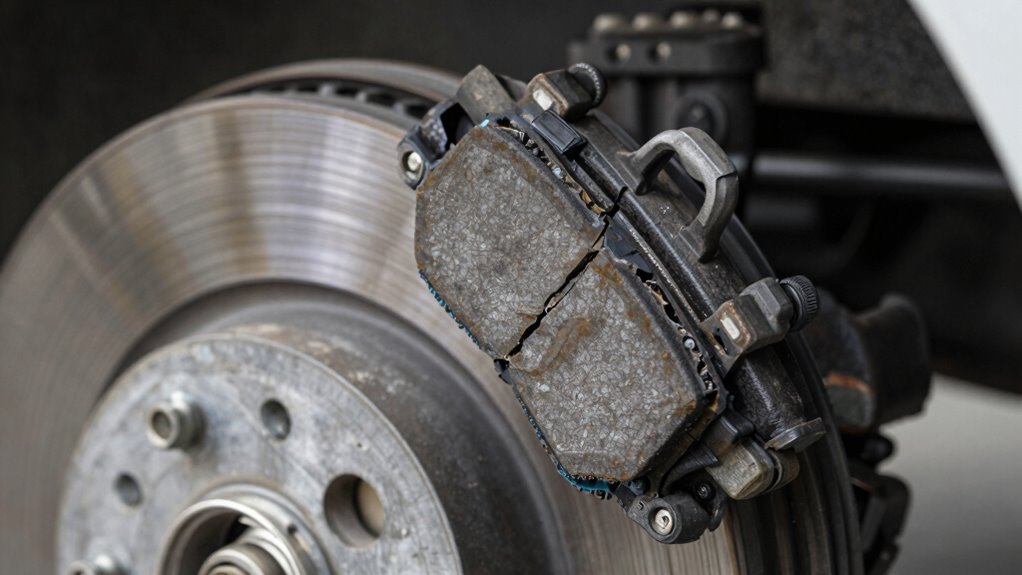
Brake pads are an essential part of your vehicle’s stopping system, and recognizing when they wear out can prevent costly repairs and guarantee your safety. Understanding the different brake pad materials can help you identify early signs of wear. For example, ceramic brake pads tend to wear more slowly and produce less dust, while organic or metallic pads might wear faster but offer different braking characteristics. Knowing these differences allows you to better interpret what’s happening when you notice changes in your vehicle’s braking performance. Regular brake system maintenance is key to catching issues early. When you stay on top of inspections, you’re more likely to spot signs of brake pad deterioration before it becomes dangerous.
One of the most noticeable indicators of worn brake pads is squealing or squeaking sounds when you apply the brakes. This noise often results from a built-in indicator on the brake pad itself, which metal tabs contact the rotor once the pad material has worn down to a critical level. If you hear this sound, don’t ignore it—your brake system needs attention. You might also notice a grinding noise, which signals that the brake pads are completely worn out and the metal backing plate is grinding against the rotor. This situation can cause serious damage to your rotors, leading to more expensive repairs. If you feel a vibration or pulsation in the brake pedal when you press down, it could be a sign that your brake pads are unevenly worn or that your rotors are warped, both of which stem from inadequate brake system maintenance. Additionally, regular inspections can help you catch these issues early before they develop into dangerous problems.
Another way to spot brake pad wear is by visually inspecting the thickness of the pads through the wheel spokes or by removing the wheel for a closer look. Most brake pads have a minimum thickness recommendation—usually around 3 millimeters. If you see that your pads are nearing this limit or are visibly thin, it’s time to replace them. Additionally, if your vehicle pulls to one side during braking, uneven brake pad wear might be the culprit. Keep an eye out for a soft or spongy brake pedal, which could indicate brake fluid leaks or other issues but also warrants inspection of your brake pads. Regular inspections can also help you understand brake pad wear patterns, which can be useful for diagnosing underlying issues with your braking system. Being aware of material differences in brake pads can help you determine the best type for your driving habits and conditions.
As an affiliate, we earn on qualifying purchases.
Frequently Asked Questions
How Often Should Brake Pads Be Inspected?
You should inspect your brake pads every 10,000 to 15,000 miles, especially if you notice squealing or decreased braking performance. Use inspection techniques like checking the brake pad materials for thinning or uneven wear. Regular inspections help you catch issues early, preventing costly repairs. If you’re unsure, have a professional evaluate your braking system. Staying proactive guarantees your safety and keeps your vehicle running smoothly.
Can Brake Pad Wear Affect Other Brake Components?
You might think brake pad wear only affects the pads, but it can impact other brake components too. Brake pad noise and brake dust accumulation are signs that worn pads are affecting rotors, calipers, and even brake fluid. Over time, uneven wear can cause vibrations, reduce braking efficiency, and lead to costly repairs. Regular inspections help identify these issues early, preventing damage to other parts and ensuring your brakes stay reliable.
What Are the Risks of Driving With Worn Brake Pads?
Driving with worn brake pads risks reduced stopping power, increasing accident chances. As the brake pad material thins, you might notice brake squeal, signaling the need for replacement. Worn pads can also damage rotors, leading to costly repairs. Ignoring these signs worsens braking performance and safety, so it’s essential to address brake squeal and inspect pads regularly to maintain peak braking efficiency and prevent safety hazards.
Are There Different Signs for Front and Rear Brake Pad Wear?
Did you know that rear brake wear accounts for about 30% of brake system replacements? Front brake signs often include squealing, a spongy brake pedal, or increased stopping distance, while rear brake wear may show as less noticeable squealing or uneven braking. You should always check both, as each set shows different signs and wears differently over time. Regular inspections help catch issues early before costly repairs.
How Can I Tell if My Brake Pads Need Replacement?
You can tell your brake pads need replacing by checking their thickness; if they’re less than 1/4 inch, it’s time for a change. Pay attention to the brake pad material—some materials wear faster. Also, listen for squealing sounds caused by the wear indicator, which signals that your pads are worn down. Regular inspections help you catch these signs early, ensuring safe, effective braking.
As an affiliate, we earn on qualifying purchases.
Conclusion
Think of your brake pads as the tires on a bike—once they’re worn down, your ride becomes risky. Just like you’d replace a worn-out tire before it hits the metal, you need to check your brake pads early. Regular inspections act as your safety net, catching problems before they turn dangerous. Stay vigilant, and treat your brakes like trusted friends who keep your journey smooth and safe—because ignoring wear is like riding with a flat tire, risking a crash.
As an affiliate, we earn on qualifying purchases.
brake rotor and pad replacement kit
As an affiliate, we earn on qualifying purchases.
As an affiliate, we earn on qualifying purchases.
Fall Picks
fall essentials
As an affiliate, we earn on qualifying purchases.