
Many believe dielectric grease makes connectors fully waterproof, but that’s a myth. While it helps fill gaps and prevents corrosion, it doesn’t substitute proper waterproof connectors with rubber seals or O-rings. Relying only on grease can give a false sense of security and lead to issues over time. To ensure your e-bike performs reliably in all weather, it’s best to use connectors rated for waterproof use. Keep exploring to learn more about keeping your connections safe and protected.
Key Takeaways
- Dielectric grease helps reduce moisture but does not make connectors fully waterproof.
- Waterproof connectors are designed with seals and ratings that prevent water ingress independently.
- Relying solely on dielectric grease can create a false sense of security against water damage.
- Proper waterproof connectors with rated seals are essential for reliable outdoor e-bike electrical connections.
- Regular inspection and maintenance are necessary, as grease alone cannot replace proper waterproofing measures.

When riding an e-bike in various weather conditions, having reliable, waterproof connectors is essential to guarantee your bike stays protected and functioning properly. Exposure to rain, mud, and humidity can quickly lead to issues if your connectors aren’t adequately sealed. One of the biggest threats is connector corrosion, which occurs when moisture ingress damages the metal contacts inside. Corrosion not only impairs electrical connections but can also cause your bike to malfunction unexpectedly. To prevent this, choosing connectors designed for waterproofing is important. These connectors are built to resist moisture ingress, keeping water and dirt out, so your bike’s electrical system remains intact and dependable.
Many riders believe that simply sealing connectors with generic lubricants or neglecting their maintenance is enough. However, this is a common misconception. While some lubricants may help temporarily, they don’t provide a permanent waterproof barrier. Over time, moisture can still find its way inside, especially if the seals aren’t specifically rated for outdoor, water-resistant use. This is where dielectric grease comes into play. It’s often recommended as a protective layer to improve waterproofing, but there are myths surrounding its use. Some think applying dielectric grease alone will make connectors fully waterproof, which isn’t true. It’s a supplement, not a substitute for waterproof connectors designed with proper sealing mechanisms.
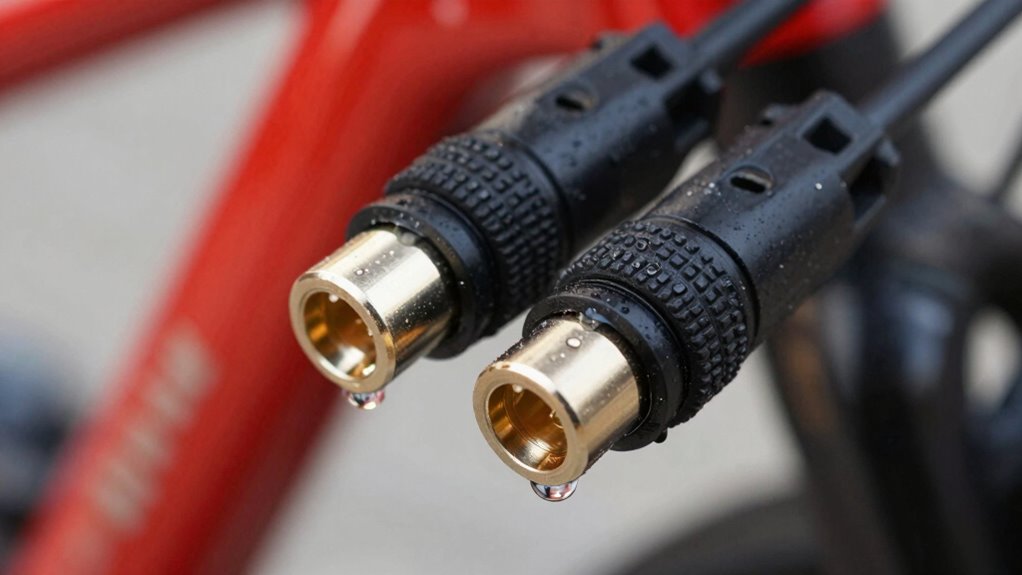
Using dielectric grease can help reduce moisture ingress by filling tiny gaps and preventing water from reaching the metal contacts. It also inhibits oxidation and corrosion, extending the life of your electrical connections. But it’s important to understand that dielectric grease doesn’t make connectors waterproof by itself. Properly rated waterproof connectors are engineered with rubber seals, O-rings, or other barriers that keep water out even under heavy rain or splashing. Relying solely on dielectric grease without these features can give a false sense of security and lead to eventual damage. Additionally, selecting connectors with waterproof ratings ensures your e-bike remains protected in all weather conditions.
Frequently Asked Questions
Can Dielectric Grease Repair Existing Connector Corrosion?
Dielectric grease can’t repair existing connector corrosion, but it can help prevent further damage through proper connector maintenance. To protect your connectors, clean off corrosion first using a wire brush or contact cleaner. Then, apply the grease with proper application techniques—covering all contact surfaces evenly. This creates a waterproof barrier, reducing moisture and corrosion risk, but it doesn’t reverse existing corrosion damage. Regular maintenance is key to keeping your connectors in top shape.
How Long Does Dielectric Grease Last in Waterproof Connectors?
Dielectric grease typically lasts between one to three years in waterproof connectors, depending on usage and environmental conditions. To maximize connector longevity, apply grease properly—clean the contacts first, then add a thin, even layer. Reapply as needed, especially if you notice signs of wear or exposure to moisture. Regular maintenance and correct grease application tips help guarantee your connectors stay protected and functional over time.
Is Dielectric Grease Suitable for All E-Bike Connector Types?
Dielectric grease isn’t suitable for all e-bike connector types, so you should check connector compatibility first. It works well with connectors designed for waterproofing, but avoid using it on sensitive or plastic components that might degrade. Use proper application techniques, such as applying a thin, even layer, to guarantee ideal protection without causing issues. Always follow manufacturer instructions to avoid compromising your connector’s performance or waterproof features.
Does Dielectric Grease Affect Electrical Conductivity?
Dielectric grease doesn’t affect electrical conductivity; instead, it provides electrical insulation to prevent moisture intrusion. It acts as a barrier that protects connections from corrosion and water, ensuring consistent performance. While it enhances electrical insulation, it doesn’t hinder the conductivity of the metal contacts themselves. You can confidently apply dielectric grease to your e-bike connectors to improve durability without compromising electrical functionality.
Are There Alternative Products to Dielectric Grease for Waterproofing?
Yes, you can use alternative sealants or conductive gels for waterproofing your e-bike connectors. Silicone sealants and specialized electrical tape offer effective barriers against water. Conductive gels can also provide moisture protection while maintaining electrical conductivity. Just make certain that the product you choose is compatible with your connectors and designed for outdoor or electrical use, so you keep your connections safe and functional without relying solely on dielectric grease.
Conclusion
You’ve seen how dielectric grease isn’t a magic shield but rather a helpful tool when used correctly. Think of it like a umbrella in a drizzle—use it properly, and you stay dry; misuse it, and you might still get wet. Remember, proper sealing and maintenance keep your e-bike running smoothly in all weather. So, don’t just rely on myths—trust the facts, and your e-bike will be ready for any adventure, rain or shine.