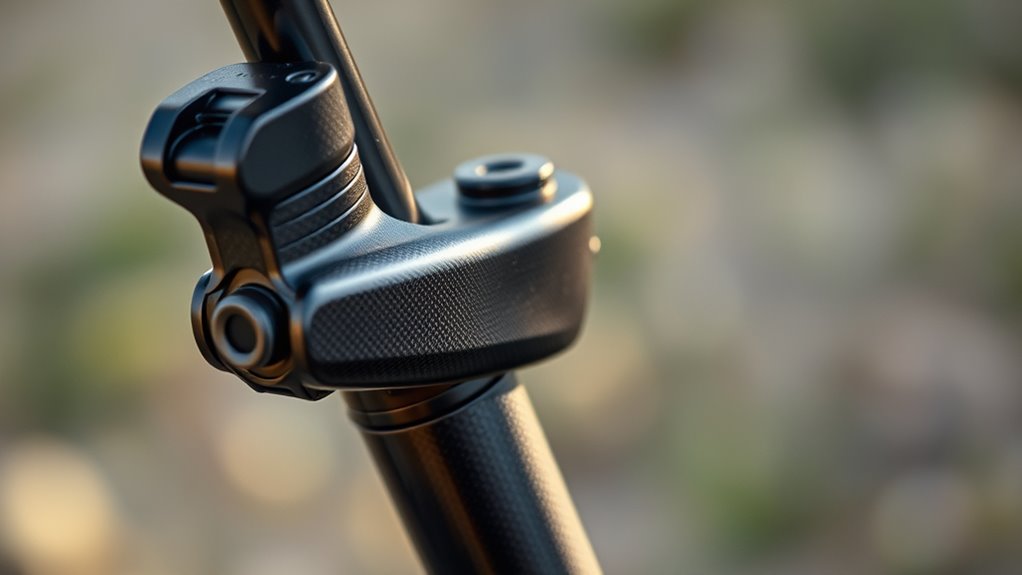

To set up your suspension seatpost, start by adjusting the preload so it compresses smoothly under your weight without feeling too stiff or too soft. Fine-tune the damping controls to match your riding style and terrain, making small adjustments to improve comfort and control. Keep the seatpost clean, lubricated, and check for wear regularly to guarantee peak functionality. Following these steps will help you get the most out of your suspension seatpost—there’s more to discover if you continue.
Key Takeaways
- Adjust preload so the seatpost compresses smoothly under rider weight without feeling overly stiff or soft.
- Fine-tune damping settings based on terrain, starting from manufacturer recommendations for optimal comfort and control.
- Regularly clean and lubricate the suspension to prevent dirt buildup and maintain smooth operation.
- Inspect seals and air pressure (if applicable) periodically to ensure proper shock absorption and prevent leaks.
- Test adjustments by sitting on the bike to observe compression response and achieve a balanced, comfortable ride.

Suspension seatposts are designed to absorb shocks and vibrations from rough terrain, providing a smoother ride and reducing fatigue. To maximize these benefits, understanding shock absorption and proper adjustment techniques is essential. When you set up your suspension seatpost, you want it to respond effectively to impacts without feeling overly soft or stiff. The key is to find the right balance where the post compresses smoothly under load but still offers enough support to keep you comfortable over uneven surfaces.
Adjusting your suspension seatpost involves tuning the preload and, if available, the damping settings. Preload controls how much the seatpost compresses under your weight, so you’ll want to set it so that the post just begins to absorb shocks when you’re seated normally. Too much preload, and the seatpost will feel rigid, transmitting shocks directly to your body. Too little, and it will bottom out easily, failing to cushion impacts. To fine-tune this, sit on the bike and observe how the seatpost reacts when you encounter bumps. It should compress slightly but not so much that it feels squishy or unstable.
Adjust preload so the seatpost just begins to absorb shocks when seated normally.
Many suspension seatposts come with adjustment techniques that allow you to customize shock absorption further. If your model has damping controls, experiment with them to increase or decrease resistance during compression. Adjusting damping can help you tailor the ride to different terrains—softer for smooth trails, firmer for technical downhills. Remember, these adjustments are often subtle but can greatly improve comfort and control. Always start with manufacturer recommended settings, then make small tweaks based on your riding experience.
Regular maintenance also plays a crucial role in keeping your shock absorption functioning effectively. Check the seatpost for dirt or debris that could hinder smooth compression, and keep the suspension clean and lubricated as per the manufacturer’s instructions. Over time, seals can wear out, and air pressure (if applicable) can decrease, reducing shock absorption efficiency. Periodically inspecting and servicing your suspension seatpost ensures you continue to enjoy a smooth ride and can help prevent costly repairs down the line.

Hugwits 2 PCS Bicycle Fork Cap Wrenches, High-Strength Aluminum Alloy Bike Suspension Cap Spanner Tool for Removal and Installation, Universal for Most Bikes (Black)
- Material: Heat-treated 6061-T6 aluminum alloy
- Durability: Corrosion-resistant and high torque strength
- Design: Precision CNC-machined tooth fit
As an affiliate, we earn on qualifying purchases.
As an affiliate, we earn on qualifying purchases.
Frequently Asked Questions
How Do I Choose the Right Suspension Seatpost for My Riding Style?
To choose the right suspension seatpost for your riding style, consider your terrain and comfort needs. Look for seatposts made from durable materials like aluminum or carbon fiber, which suit different riding conditions. Test adjustable suspension features to find the right level of shock absorption. Use proper adjustment techniques to fine-tune the tension and travel, ensuring a smooth, comfortable ride tailored to your style and terrain.
What Signs Indicate My Suspension Seatpost Needs Servicing or Replacement?
You’ll notice your suspension seatpost needs servicing if it starts creaking or feels stiff, and if the saddle height becomes uneven during rides. These signs indicate internal components may be worn or lacking lubrication. Don’t ignore creaking sounds or inconsistent saddle height, as they point to potential issues. Servicing or replacing your seatpost promptly guarantees smooth performance and prevents further damage, keeping your rides comfortable and safe.
Can I Upgrade My Existing Seatpost to a Suspension Model Easily?
Think of your bike as a puzzle, and upgrading your seatpost as fitting a new piece. You can upgrade to a suspension seatpost easily if you check seatpost compatibility and consider the upgrade considerations. Measure your current seatpost diameter and length, then verify it matches the new suspension model. Make sure your bike frame can accommodate the upgrade, and you’ll enjoy smoother rides without breaking a sweat.
How Does Temperature Affect Suspension Seatpost Performance?
Temperature effects can impact your suspension seatpost’s performance by causing material expansion or contraction. When it’s hot, the metal may expand slightly, potentially affecting the damping or responsiveness. Conversely, in colder conditions, contraction can make the suspension stiffer or less effective. To guarantee peak performance, check your seatpost regularly, especially in extreme temperatures, and adjust or service it as needed to account for these material changes.
Are There Specific Maintenance Tips for Different Suspension Seatpost Brands?
Brand-specific adjustments and lubricant recommendations are essential for maintaining your suspension seatpost’s performance. You should follow each brand’s guidelines carefully, adjusting settings precisely to suit your riding style. Regularly lubricate moving parts with the recommended lubricants to prevent sticking and squeaking. Remember, proper maintenance maximizes performance, prolongs lifespan, and preserves your post’s smooth, seamless suspension, so stay attentive to manufacturer instructions and tailor your care accordingly.
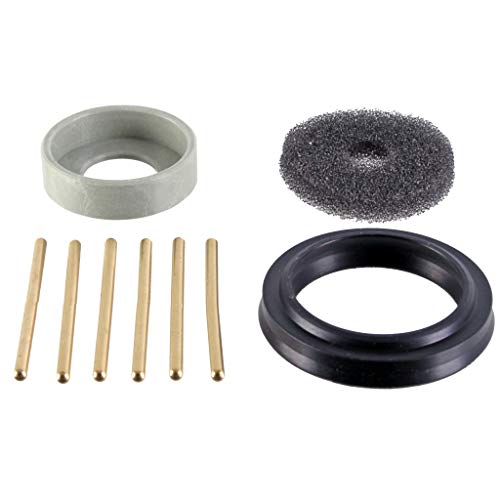
Bike Yoke Service kit, Revive V1 – YB2090
- Enhances seatpost longevity: Boosts performance of Bike Yoke Revive
- Durable construction: Made with corrosion-resistant materials
- Restores smooth operation: Includes wipers, glide pins, bushings
As an affiliate, we earn on qualifying purchases.
As an affiliate, we earn on qualifying purchases.
Conclusion
Now that you know how to set up and maintain your suspension seatpost, you’re ready to enjoy smoother rides and better control. Regular checks and adjustments keep it performing at its best—don’t let dirt or neglect hinder you. Isn’t it worth investing a few minutes to ensure your ride stays comfortable and responsive? With proper care, your suspension seatpost will serve you well on every adventure, making each mile more enjoyable.

DJC Bike Suspension Seatpost Shock Absorber Damper Post 27.2 30.9 31.6 mm, Lightweight Aluminum Body(Black Head,27.2mm)
- Spring Coil Suspension: Absorbs shocks for a smoother ride
- Adjustable Rebound Force: Tighten or loosen bottom screw
- 42mm Suspension Travel: Provides enhanced shock absorption
As an affiliate, we earn on qualifying purchases.
As an affiliate, we earn on qualifying purchases.

AVENTON Advanced Suspension Bike seat Post -27.2mm seatpost with Dust Sleeve, seat Post Ideal for Road & Mountain Bikes E-Bikes
- Adjustable Suspension for Comfort: Customizable suspension for various terrains
- 50mm Travel Capacity: Smooth absorption of impacts with patented mechanism
- Compatible with MTB & Road Bikes: Ideal for dropper posts and e-bikes
As an affiliate, we earn on qualifying purchases.
As an affiliate, we earn on qualifying purchases.