Rearward awareness isn’t just about setting your mirrors; it’s a skill that requires active interpretation of your surroundings. You need to combine mirror checks with quick head turns and environmental cues to spot hazards early. Judging the speed and distance of approaching vehicles helps you react faster, making safer decisions. This awareness develops through practice and experience, turning simple setups into critical safety tools. Keep paying attention, and you’ll discover how sharpening this skill can considerably boost your safety on the road.
Key Takeaways
- Rearward awareness involves active interpretation of visual information, not just relying on mirror placement.
- Developing this skill requires deliberate practice in reading traffic flow and anticipating hazards.
- Proper mirror setup is foundational, but effective awareness depends on combining it with head checks and environmental cues.
- Quick, confident judgment enhances safety, making awareness a dynamic skill rather than a static gear choice.
- Continuous practice sharpens the ability to assess speed, distance, and potential threats behind the vehicle.

While having the right gear is important, developing rearward awareness is a skill that can considerably enhance your safety and effectiveness. It’s not just about owning the best mirrors or high-tech equipment; it’s about how you use and position them to stay alert and make smarter decisions. Proper mirror positioning is vital because it guarantees you have a clear, wide view of what’s happening behind you without having to turn your head constantly. Adjust your mirrors so they eliminate blind spots and give you an all-encompassing picture of your surroundings. This setup alone doesn’t guarantee safety, but it creates the foundation for better situational judgment. When your mirrors are correctly positioned, you’re more likely to notice approaching vehicles, cyclists, or pedestrians early enough to react appropriately.
Proper mirror setup enhances awareness and early detection for safer, smarter driving decisions.
Developing rearward awareness involves more than just setting up your mirrors. It’s about actively interpreting what you see and integrating it with your overall understanding of the environment. You need to read the traffic flow, anticipate the intentions of other drivers, and recognize potential hazards before they become urgent problems. This is where strong situational judgment comes into play. Good judgment allows you to interpret visual cues quickly and decide on the best course of action — whether it’s slowing down, changing lanes, or preparing to stop. It’s a skill that improves with deliberate practice, awareness, and experience, rather than just relying on gear alone. Continuous practice is essential for honing this skill and building confidence behind the wheel or on your bike.
You also need to be aware of the limitations of your mirrors and avoid becoming too dependent on them. Always check your blind spots by turning your head when necessary. Rearward awareness isn’t just about what you see in the mirrors, but how you combine that information with what you feel and what’s happening in your immediate environment. For example, if a vehicle appears in your mirror but is rapidly approaching, your ability to judge its speed and distance will influence your response. Good judgment enables you to react calmly and appropriately, reducing the risk of accidents.
Ultimately, rearward awareness is a dynamic skill that requires continuous development. Proper mirror positioning sets the stage, but sharpening your situational judgment transforms that setup into effective safety measures. It’s about staying alert, interpreting cues correctly, and making quick, confident decisions. When you invest in developing this skill, you’re not just relying on gear — you’re actively controlling your safety and improving your driving or riding effectiveness.
As an affiliate, we earn on qualifying purchases.
Frequently Asked Questions
How Can I Improve My Rearward Awareness Without New Gear?
To improve your rearward awareness without new gear, focus on regular mirror checks and head turns. Make it a habit to glance in your mirrors frequently, especially before changing lanes or merging. Incorporate quick head turns to get a better view behind you, rather than relying solely on mirrors. Practicing these simple actions consistently sharpens your awareness, making you a safer driver without needing extra equipment.
What Common Mistakes Reduce Rearward Awareness Effectiveness?
Think of your rearward awareness like driving a ship through fog. Ignoring your blind spot is like sailing without a lookout, risking unseen hazards. Failing to signal visibility makes others unaware of your intentions, increasing danger. Common mistakes include not checking mirrors regularly and relying too much on gear instead of actively scanning. To improve, stay attentive, use your mirrors effectively, and always double-check blind spots before turning or reversing.
How Often Should I Practice Rearward Awareness Skills?
You should practice rearward awareness skills daily, focusing on situational mindfulness and mirror positioning during your routines. Spend a few minutes each day checking your mirrors, consciously scanning your surroundings, and maintaining awareness of what’s behind you. Regular practice helps make rearward awareness second nature, improving safety and response time. Incorporate these habits into your driving or biking to build confidence and keep your awareness sharp consistently.
Does Rearward Awareness Vary by Cycling Environment?
Yes, your rearward awareness varies with cycling terrain and urban environments. In urban settings, you need heightened awareness due to frequent stops, pedestrians, and vehicles. On different cycling terrains, like trails or mountainous areas, your focus shifts to spotting hazards behind you, such as loose gravel or wildlife. Adjusting your awareness based on the environment helps you stay safe, making it an essential skill regardless of where you’re riding.
Can Rearward Awareness Prevent Accidents in Real-World Scenarios?
Yes, rearward awareness can prevent accidents by helping you spot hidden blind spots before danger strikes. When you keep your mirrors properly positioned and stay alert to your surroundings, you gain essential seconds to react. Even in busy traffic, this skill lets you notice approaching vehicles or cyclists in your blind spot, giving you a critical edge to avoid collisions and stay safe on the road.
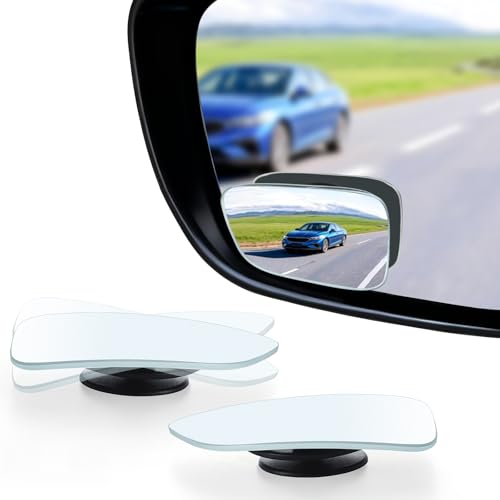
LivTee Blind Spot Car Mirror, HD Glass Frameless Convex Side Mirror Blindspot, Wide Angle Rear View Mirrors for SUVs, Trucks and RVs – Car Accessories
- 360-Degree Adjustable Rotation: Wide angle view with swivel mounting
- Enhanced Driving Safety: Eliminates blind spots for safer lane changes
- HD Curved Glass Design: Frameless, waterproof, rust-resistant, ultra-thin
As an affiliate, we earn on qualifying purchases.
As an affiliate, we earn on qualifying purchases.
Conclusion
Think of rearward awareness as a skill you develop, like riding a bike. It’s not just about choosing the right gear or gear alone—it’s about sharpening your senses and staying alert on every ride. With consistent practice, you’ll find yourself more confident and in control, ready to react swiftly like a hawk spotting its prey. Remember, the more you hone this skill, the safer and more enjoyable your rides become—like a well-oiled machine in motion.
As an affiliate, we earn on qualifying purchases.
As an affiliate, we earn on qualifying purchases.