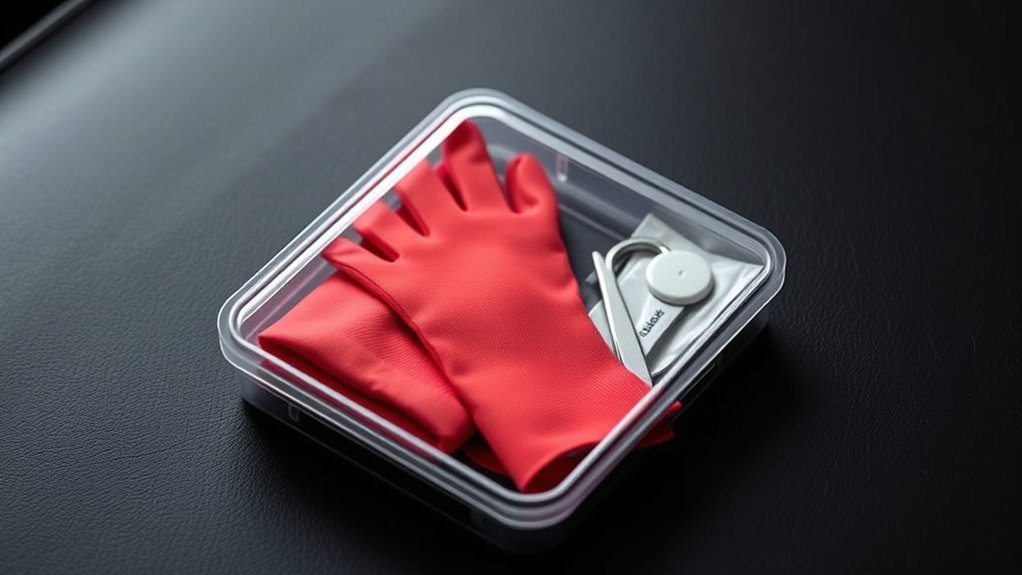

In your crash protocol kit, pack essential first aid supplies like bandages, antiseptic wipes, gauze, and gloves to handle injuries. Include emergency tools such as a flashlight, flares, reflective vests, and multipurpose tools to signal for help and manage debris. It’s also helpful to carry water, snacks, blankets, and a first aid manual for comfort and guidance. Keep everything organized and check supplies regularly—then continue for tips that could make all the difference in an emergency.
Key Takeaways
- Include essential first aid supplies like bandages, antiseptic wipes, gauze, and gloves for immediate wound care.
- Pack emergency tools such as flashlights, reflective triangles, high-visibility vests, and multipurpose tools for accident scene management.
- Carry comfort items like bottled water, snacks, blankets, and items to help maintain calm and warmth during delays.
- Ensure your kit contains signaling devices and communication chargers to alert others and stay connected.
- Keep the kit organized, regularly checked, and include a first aid manual for quick reference during emergencies.
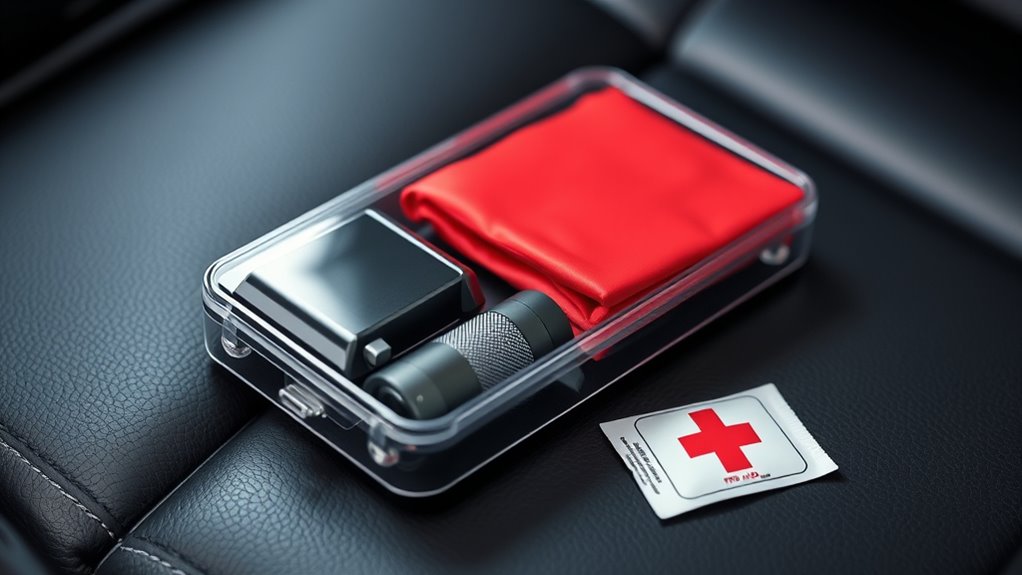
A Crash Protocol Kit is an indispensable set of tools and supplies designed to help you respond quickly and effectively in the event of a car accident. When you’re behind the wheel, being prepared isn’t just about having a clean car or a full tank of gas; it’s about knowing you have what it takes to handle unexpected emergencies. Proper emergency preparedness means having a well-stocked kit that can address immediate needs, especially in situations where first aid might be critical. It’s your safety net, ensuring you can provide assistance to yourself or others until professional help arrives.
Your kit should include basic first aid supplies. Bandages of various sizes are essential to stop bleeding and protect wounds. Antiseptic wipes or ointments help prevent infection, while adhesive tape keeps dressings in place. Gauze pads are useful for covering larger wounds, and scissors can cut tape or clothing if necessary. Don’t forget disposable gloves—these protect both you and the injured from cross-contamination. A compact first aid manual is also helpful, offering quick guidance on how to treat common injuries until emergency services take over.
In addition to first aid items, your crash kit must contain tools that assist in emergency preparedness. Flashlights with extra batteries ensure you can see clearly if the accident occurs at night or in low-light conditions. Reflective warning triangles or flares are crucial for alerting other drivers to your presence, especially if your vehicle is obstructing traffic. A high-visibility vest is another simple addition to keep you seen at a distance. Multipurpose tools like pliers, screwdrivers, and a small knife can be invaluable if you need to remove debris or make quick repairs. A portable phone charger or power bank guarantees your ability to call for help or communicate with emergency responders.
It’s also wise to include some basic supplies to keep yourself comfortable and alert. bottled water, energy bars, or snacks can sustain you if you’re stranded for a while. A blanket can provide warmth if the weather turns cold. Additionally, understanding family photoshoot fails can remind you to keep calm and maintain a sense of humor in stressful situations, which is crucial for staying focused and effective during emergencies. These additional items support your overall emergency preparedness, helping you stay safe and focused until professional assistance arrives.
Amazon Product B0FYF4NP62
As an affiliate, we earn on qualifying purchases.
Frequently Asked Questions
How Often Should I Update My Crash Protocol Kit?
You should update your crash protocol kit at least once a year to guarantee kit maintenance and emergency preparedness. Check for expired items, replace used supplies, and update any outdated information or manuals. Regularly reviewing your kit helps you stay ready for unexpected incidents, giving you confidence that your emergency supplies are effective and reliable when you need them most. Set a calendar reminder to keep your kit current and fully stocked.
Are There Specific Items for Different Types of Emergencies?
You’ll want specialized gear and regional supplies tailored to different emergencies. For example, include thermal blankets for cold climates or insect repellent in tropical areas. Always consider your environment and potential hazards, packing items like gloves, masks, or waterproof supplies accordingly. By customizing your kit for specific situations, you prepare proactively, preventing panic and promoting peace of mind during any unpredictable emergency.
Can I Customize My Crash Kit Based on Environment?
Yes, you can customize your crash kit based on your environment. Incorporate personalized safety items and environment-specific gear to better prepare for potential emergencies. For example, if you’re in a remote area, add extra first aid supplies, a whistle, or a flashlight. In urban settings, include items like hand sanitizer or a compact multi-tool. Tailoring your kit guarantees you’re equipped to handle specific risks wherever you are.
How Do I Ensure My Kit Remains Sterile and Safe?
You can keep your kit sterile by regularly checking and replacing supplies, ensuring all items are sealed and stored in clean, airtight containers. To prevent contamination, always wash your hands thoroughly before handling any kit contents, and use gloves when possible. Store the kit in a cool, dry place away from dirt and moisture. Consistent sterility maintenance and contamination prevention are key to keeping your crash kit safe and ready when needed.
What Are the Legal Requirements for Carrying a Crash Kit?
You need to check your local laws to verify legal compliance when carrying a crash kit. Many regions require you to have insurance coverage that includes first aid supplies, and some places may specify what items your kit must contain. Always stay updated on local regulations to avoid penalties. Carrying a legally compliant crash kit helps you respond effectively and responsibly in emergencies, giving you peace of mind on the road.
Amazon Product B0B9RWTXF2
As an affiliate, we earn on qualifying purchases.
Conclusion
Now that you know what to pack in your crash protocol kit, you’re better prepared for emergencies. Remember, carrying a well-stocked kit can reduce stress and save lives. Did you know that over 60% of accident-related injuries could be less severe with immediate first aid? So, keep your kit handy, stay alert, and take control—being prepared makes all the difference when seconds count.

iGPSPORT SR mini Radar Bike Light, 160M Monitoring Distance 20H Battery Life Brake Flash Waterproof Cycling Tail Light
【Accurate monitoring】The millimeter-wave radar with a beam angle of up to 45° intelligently detects vehicles approaching within 160m...
As an affiliate, we earn on qualifying purchases.

MagicShine SEEMEE R300 Smart Radar Taillight,High-Power LED ANT+ Enabled Radar System 270° Wide Viewing Angle Lock Function Mode Memory Function IPX6 Waterproof Rear Light
High-power LEDs with high-transparency optical lens for a max 300-lumen output.
As an affiliate, we earn on qualifying purchases.