To stay safe and comfortable during outdoor summer activities, opt for ventilated helmets with adjustable vents that promote airflow and keep your head cool. Pair these with UV layers made from lightweight, UPF-rated fabrics to protect your skin from harmful rays while wicking away moisture. Combining this gear helps prevent overheating and sunburn, making your experience safer and more enjoyable. Keep exploring to discover even more tips on optimizing your summer heat gear.
Key Takeaways
- Ventilated helmets feature strategic vents and airflow channels to keep the head cool and prevent overheating during outdoor activities.
- UV layers made from UPF-rated, moisture-wicking fabrics protect skin from harmful UV rays while maintaining breathability.
- Combining ventilated helmets with UV clothing enhances overall sun protection and comfort in hot weather conditions.
- Proper gear selection, including adjustable vents and well-fitting UV apparel, reduces heat-related risks like heat exhaustion.
- Both gear types improve safety and comfort by promoting effective heat dissipation and preventing sweat build-up in summer outdoor activities.
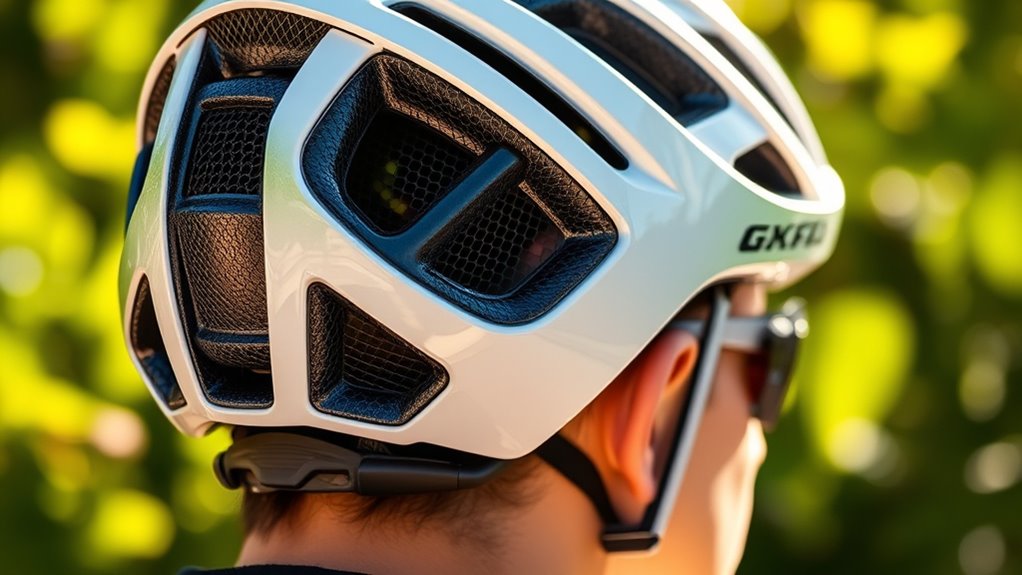
As temperatures soar, staying cool and comfortable becomes a priority, and having the right summer heat gear can make all the difference. When you’re out in the sun, protecting yourself from harmful UV rays is essential. That’s where ventilated helmets and UV layers come into play. These gear options are designed to optimize sun protection while helping you maintain a comfortable body temperature. Wearing a ventilated helmet with strategically placed vents allows heat to escape, preventing overheating during intense activities or long outdoor adventures. The airflow keeps your head cool, reducing sweat build-up and discomfort, so you can focus on your activity rather than battling heat exhaustion. Additionally, choosing gear made with breathable, moisture-wicking materials enhances overall comfort and effectiveness.
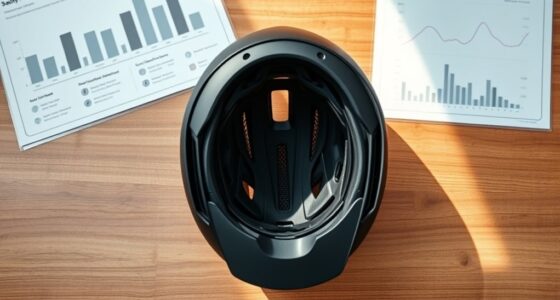
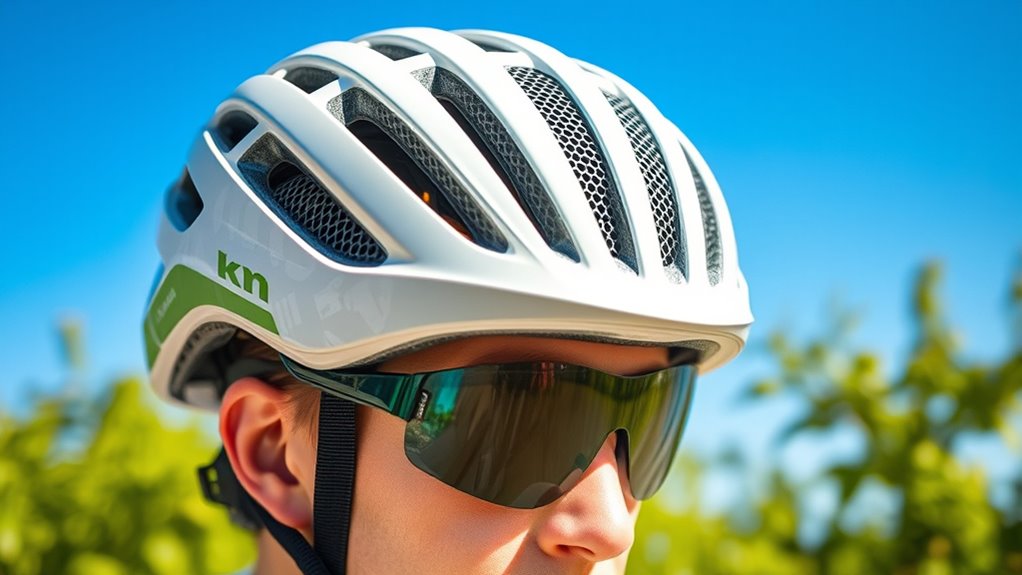
Ventilated helmets keep your head cool and comfortable during outdoor adventures.
UV layers, such as lightweight shirts and sleeves made from UPF-rated fabrics, are equally important. They act as a shield against the sun’s rays, blocking up to 98% of harmful UV radiation. By choosing clothing with high UPF ratings, you get effective sun protection without sacrificing breathability. These layers also aid in temperature regulation by wicking moisture away from your skin and allowing air to circulate, helping your body stay cool even under direct sunlight. The combination of sun protection and temperature regulation becomes especially essential during prolonged exposure, where the risk of sunburn and heat-related illnesses rises.
Ventilated helmets and UV layers work together seamlessly to enhance your outdoor experience. When your helmet features ventilation channels, you stay cooler, and your head remains dry, which is imperative for comfort and safety. Meanwhile, UV layers prevent sunburns on exposed skin, reducing the need for constant reapplication of sunscreen and offering a more consistent form of protection. These gear options also encourage proper heat dissipation, decreasing the likelihood of heat exhaustion or heat stroke. For outdoor enthusiasts, understanding the importance of proper sun protection can significantly improve safety and comfort during summer activities.
Choosing the right summer heat gear isn’t just about protection; it’s about optimizing your comfort and safety. Look for helmets with adjustable vents and breathable materials, and select UV clothing that fits well and is made from moisture-wicking fabrics. This combination ensures you stay cool, dry, and protected, regardless of how hot or sunny your day gets. By prioritizing effective sun protection and temperature regulation through ventilated helmets and UV layers, you’ll be able to enjoy your outdoor activities with confidence and comfort, even in the peak of summer heat.
Frequently Asked Questions
How Often Should I Replace Ventilated Helmets for Safety?
You should replace your ventilated helmet every 5 years to guarantee safety, as helmet lifespan diminishes over time. Regular safety inspection frequency is key—check for cracks, foam deterioration, or compromised straps at least once a season. If you notice any damage or after a significant impact, replace it immediately. Staying vigilant helps protect your head and keeps your helmet functioning effectively during summer rides.
Are UV Protective Layers Effective Against All Types of Sunlight?
Like a shield from Icarus’s sun, UV protective layers offer effective sunlight filtration against most harmful rays, providing essential UV protection. However, they aren’t foolproof against all sunlight types, especially if the layers are damaged or worn. To stay safe, make certain your UV layers are intact, and remember that no single gear can block every ray. Regular checks and proper use maximize your protection on sunny days.
Can Ventilated Helmets Be Used in Rainy Summer Days?
Yes, you can use ventilated helmets on rainy summer days, but keep in mind they don’t offer rain protection. The helmet ventilation helps keep you cool and prevents overheating, even if it’s wet outside. However, you might want to add a rain cover or choose a waterproof helmet if you want better rain protection. Always make certain your helmet remains functional and comfortable during wet conditions.
Do UV Layers Affect Helmet Comfort or Breathability?
UV layers generally don’t affect helmet comfort or breathability markedly because they’re designed to provide UV protection without blocking airflow. Modern ventilated helmets incorporate UV-resistant materials that keep your head cool and protected from harmful rays. You’ll notice that UV layers are lightweight and don’t restrict helmet ventilation, so you can stay comfortable and safe during hot summer days while enjoying good airflow and shielding from the sun.
What Materials Are Best for Long-Lasting Summer Heat Gear?
For long-lasting summer heat gear, you should prioritize moisture-wicking fabrics like polyester or nylon, which keep you dry and comfortable. Durable plastics are excellent for helmet shells, providing strength without adding weight. These materials resist the wear and tear of daily use, ensuring your gear stays effective and comfortable during hot weather. Combining moisture-wicking fabrics with sturdy plastics guarantees longevity and peak performance in summer conditions.
Conclusion
Staying cool this summer is easier with ventilated helmets and UV layers. Did you know that wearing proper gear can reduce heat-related illnesses by up to 30%? By choosing breathable helmets and protective UV clothing, you keep yourself safe and comfortable during your outdoor adventures. Don’t let the heat slow you down—gear up smartly, stay hydrated, and enjoy summer to the fullest! Your comfort and safety are just gear choices away.