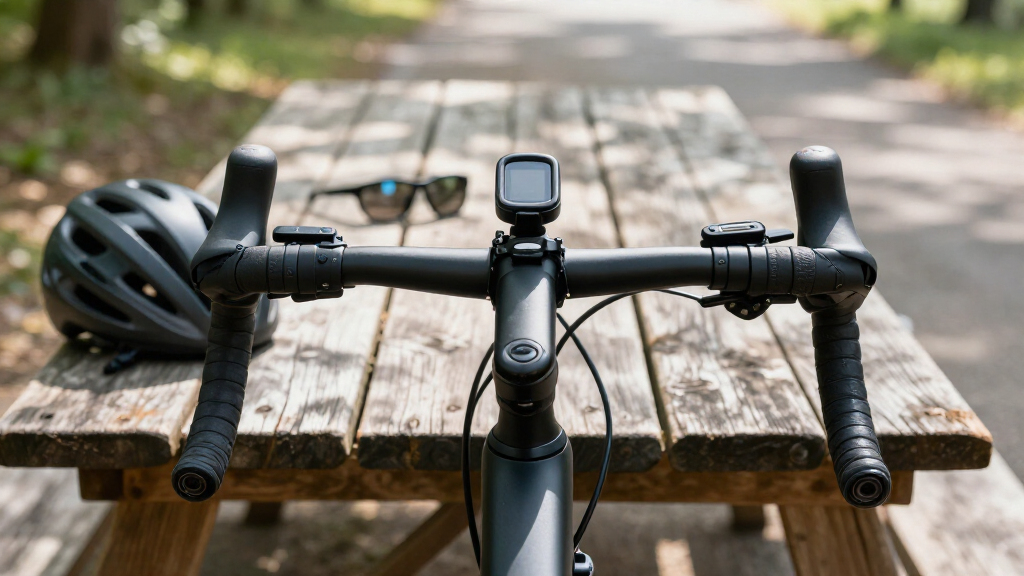

Electric bike power meters let you measure your actual pedaling output in watts, which matters for training, range management, and getting the most out of motor assist levels. The Magene P715 power meter pedals earn my best overall pick for combining ±1% accuracy with a 120-hour battery and easy transfer between bikes, while the Favero Assioma Uno bundle stands out for premium build quality and the GEOID PM500 offers the best budget crankset option. The main tradeoff in this category is between pedal-based meters, which install in minutes and travel with you, and crankset-based meters, which are lighter and often last far longer per charge. Accuracy, battery life, and whether a unit actually fits your drivetrain are the decisions that separate a smart purchase from an expensive mistake. Keep reading for the full breakdown of all eight options.

Get bike and ride gear delivered free — and shop member deals
- Fast, free delivery on millions of items
- Access to Prime Big Deal Days deals on October 6–7
- Prime Video, Amazon Music and more included
Key Takeaways
- Pedal-based meters (Magene P715, Favero Assioma line) dominated the top of this ranking because they transfer between bikes in minutes — a major advantage for e-bike riders who own multiple machines or swap between a commuter and a regular bike.
- The Magene PES P505/P515 crankset’s 380-hour battery crushes every pedal option here; if charging anxiety annoys you, a crankset is the clear winner despite the harder installation.
- One product in this lineup — the S810 — is not a training power meter at all but an e-bike control display; it made the list for riders who want motor data (speed, battery, assist level) rather than wattage output.
- The Favero Assioma PRO MX-1 and RS-1 split the premium segment by terrain: the MX-1 targets gravel and mixed surfaces with its power bank bundle, while the RS-1 suits road-focused e-bike riders.
- GEOID‘s two PM500 cranksets are identical except for crank length (165mm vs 172.5mm), which is a reminder that fit spec matters as much as specs on paper — check your ideal crank length before buying any crankset meter.
| Magene P715 Power Meter Pedals |  | Best Overall | Accuracy: ±1% | Battery Life: 120 hours | Weight: 157g per pedal | VIEW LATEST PRICE | See Our Full Breakdown |
| Magene PES P505/P515 Power Meter Crankset |  | Best Battery Life | Weight: 625g | Battery Life: 380 hours | Crank Length: 172.5mm | VIEW LATEST PRICE | See Our Full Breakdown |
| Favero Assioma Uno Power Meter Pedals Bundle |  | Best for Structured Training | Brand: Favero | Model: Assioma Uno | Battery Life: Up to 50 hours | VIEW LATEST PRICE | See Our Full Breakdown |
| GEOID PM500 Power Meter Crankset |  | Best Value Crankset | Accuracy: ±1.5% | Weight: 680g | Battery Life: 300 hours | VIEW LATEST PRICE | See Our Full Breakdown |
| Favero Assioma PRO MX-1 Power Meter Pedals with Power Bank Bundle |  | Best Premium Pick | Accuracy: ±1% | Material: Aluminum 6061-T6 | Water Resistance: IP67 | VIEW LATEST PRICE | See Our Full Breakdown |
| S810 Electric Bike Power Display Meter |  | Best Budget Battery Display for Commuter E-Bikes | Display: LED, 3.17 inches | Working Voltage: 36V | Connector: Waterproof 5-pin male plug | VIEW LATEST PRICE | See Our Full Breakdown |
| GEOID PM500 Power Meter Crankset (165mm) | | Best Value Crankset for Smaller Riders | Accuracy: ±1.5% | Weight: 680g | Battery Life: 300 hours | VIEW LATEST PRICE | See Our Full Breakdown |
| Favero Assioma PRO RS-1 Single Sided Power Meter Pedals |  | Best Premium Pick for Multi-Bike Riders | Accuracy: ±1% | Weight: 123.5 g per side | Battery Life: Over 60 hours (rechargeable lithium-ion) | VIEW LATEST PRICE | See Our Full Breakdown |
| electric bike power meter | Connectivity | Battery Life | Accuracy | Weight |
|---|---|---|---|---|
| Magene P715 Power Meter Pedals | Bluetooth & ANT+ | 120 hours | ±1% | 157g per pedal |
| Magene PES P505/P515 Power Met | Bluetooth, ANT+ | 380 hours | — | 625g |
| Favero Assioma Uno Power Meter | Bluetooth & ANT+ | Up to 50 hours | — | — |
| GEOID PM500 Power Meter Cranks | Bluetooth & ANT+ | 300 hours | ±1.5% | 680g |
| Favero Assioma PRO MX-1 Power | Bluetooth & ANT+ | — | ±1% | — |
| S810 Electric Bike Power Displ | — | — | — | — |
| GEOID PM500 Power Meter Cranks | ANT+ & Bluetooth | 300 hours | ±1.5% | 680g |
| Favero Assioma PRO RS-1 Single | ANT+ & Bluetooth | Over 60 hours (rechargeable lithium-ion) | ±1% | 123.5 g per side |
More Details on Our Top Picks
Magene P715 Power Meter Pedals
Pedal-based power meters win on convenience, and the Magene P715 makes the strongest all-around case in this lineup. Unlike the Magene PES P505/P515 crankset, which locks you into one frame setup, the P715 swaps between bikes in about a minute — a real advantage for riders with a road bike and an e-bike. The ±1% accuracy matches the Favero Assioma Uno at a friendlier price, and the 120-hour battery means charging is a monthly chore rather than a weekly one. The tradeoff is durability: at 157g per pedal, the platform feels less bombproof than the aluminum Favero PRO MX-1 on rocky descents. Calibration is also on you — budget a few rides before the numbers fully settle.
Pros:- ±1% accuracy matches premium rivals at a lower price
- 120-hour battery life doubles the Favero Assioma Uno’s runtime
- One-minute installation makes bike-to-bike transfers effortless
- Dual Bluetooth and ANT+ support works with virtually any head unit
Cons:- Lightweight pedal bodies are less durable on rough terrain
- Requires initial calibration and setup patience
Best for: Multi-bike owners and structured-training cyclists who want accurate dual-sided data without a crankset swap
Not ideal for: Mountain bikers and gravel riders who regularly smash pedals on rocks — the lightweight bodies will take abuse poorly
- Accuracy:±1%
- Battery Life:120 hours
- Weight:157g per pedal
- Connectivity:Bluetooth & ANT+
- Waterproof Rating:IPX7
- Installation Time:1 minute
- Included:2 pedals, crank washers, charging cable, quick start guide
Our verdict“If you want one power meter that covers every bike you own with lab-grade accuracy, this is the pick.”
Magene PES P505/P515 Power Meter Crankset
Where the Magene P715 pedals treat charging as a monthly task, the PES P505/P515 crankset makes it nearly a quarterly one — 380 hours is the longest runtime here, easily beating the GEOID PM500’s 300 hours. The 625g weight from 7075 aircraft-grade aluminum is respectable for a crankset-based system, and the ±1% accuracy puts it a full notch above the GEOID’s ±1.5%. The catch is permanence: unlike pedal options, this becomes part of the bike, so multi-bike riders lose the swap-anywhere flexibility the P715 offers. You’ll also need a compatible frame and 110BCD chainrings, which means checking your drivetrain before clicking buy.
Pros:- 380-hour battery life is the longest in this lineup
- ±1% accuracy outclasses the GEOID PM500’s ±1.5%
- Lightweight 625g aluminum construction
- IPX7 waterproofing handles foul-weather riding
Cons:- Requires compatible frame and 110BCD chainring setup
- Permanent installation prevents easy switching between bikes
Best for: High-mileage riders and e-bike commuters who want to install once and forget about charging for months
Not ideal for: Riders with multiple bikes or non-standard frames — the crankset format means no easy transfers and fitment headaches
- Weight:625g
- Battery Life:380 hours
- Crank Length:172.5mm
- Material:7075 aircraft-grade aluminum
- Waterproof Rating:IPX7
- Chainring Compatibility:110BCD four-bolt
- Connectivity:Bluetooth, ANT+
Our verdict“The choice for single-bike riders who hate charging cables and want the most accurate crankset data here.”
Favero Assioma Uno Power Meter Pedals Bundle
Favero’s reputation in the training world is well earned, and the Assioma Uno’s pedaling analytics — including pedal smoothness and torque effectiveness — go deeper than the raw wattage the Magene P715 reports. That data is what makes this option better suited to riders following coached plans who want to analyze how they produce power, not just how much. The bundle adds extra cleats and a cleaning cloth, softening the higher entry price. Be clear about the limitation, though: all measurement comes from the left pedal only, so riders with leg imbalances get doubled-left-leg estimates rather than true dual-sided figures. Battery life of about 50 hours also trails the Magene options considerably.
Pros:- Detailed pedaling analytics beyond basic wattage
- Rechargeable batteries with simple USB charging
- Easy installation and quick transfers between bikes
- Bundle includes spare cleats and cleaning cloth
Cons:- Left-pedal-only measurement limits accuracy for imbalanced riders
- 50-hour battery life is the shortest in this lineup
Best for: Coached athletes and Zwift racers who want rich pedaling analytics and a trusted, proven platform
Not ideal for: Riders with known left-right leg imbalances — single-sided estimation will distort their numbers
- Brand:Favero
- Model:Assioma Uno
- Battery Life:Up to 50 hours
- Sensor Location:Left pedal
- Connectivity:Bluetooth & ANT+
- Included:Power meter pedals, red and black float cleats, cleaning cloth
Our verdict“Buy it for the analytics ecosystem and proven reliability; skip it if you need true dual-sided measurement.”
GEOID PM500 Power Meter Crankset
Compared with the Magene PES P505/P515, the GEOID PM500 gives up a little on paper — ±1.5% accuracy instead of ±1%, 300 hours of battery instead of 380, and 55g of extra weight — but it typically costs noticeably less, which is the entire point of this pick. For riders who want permanent crankset-based power without paying Magene or Favero prices, those compromises are reasonable. The Shimano 12-speed compatibility is a genuine plus for modern drivetrains, and dual-sensor measurement gives it a data edge over the left-only Favero Assioma Uno. Setup complexity is the real hurdle: this is not a bolt-on-and-go purchase like the Magene P715 pedals, and beginners may want a shop’s help.
Pros:- Undercuts the Magene crankset on price while keeping dual-sensor measurement
- 300-hour battery life avoids frequent charging
- Shimano 12-speed compatibility suits modern drivetrains
- IPX7 waterproofing for all-weather riding
Cons:- ±1.5% accuracy is the loosest tolerance in this roundup
- Installation requires compatible chainrings and mechanical know-how
Best for: Budget-conscious riders on modern Shimano 12-speed drivetrains who want crankset power without premium pricing
Not ideal for: Beginners uncomfortable with crankset installation and calibration — the setup learning curve is steep
- Accuracy:±1.5%
- Weight:680g
- Battery Life:300 hours
- Crank Length:172.5mm
- BCD:110
- Connectivity:Bluetooth & ANT+
- Waterproof Rating:IPX7
- Compatibility:110BCD 4-bolt chainrings, Shimano 12-speed
Our verdict“A sensible value play for experienced riders on 12-speed setups who can accept slightly looser accuracy.”
Favero Assioma PRO MX-1 Power Meter Pedals with Power Bank Bundle
This is the ruggedized end of the lineup. The PRO MX-1’s 6061-T6 aluminum bodies and IP67 rating make it the only option here I’d trust on proper mountain bike terrain — the lighter Magene P715 simply isn’t built for that abuse. Accuracy matches the Magene at ±1%, and Favero’s app ecosystem delivers the same power, cadence, and pedal smoothness data that makes the Assioma Uno a training favorite. Like the Uno, though, the sensor lives in the left pedal only, so the dual-sided question remains unanswered. The bundle’s power bank and greasing tools are genuinely useful for travel, but the whole package carries a premium price, and installation is fussier than the P715’s one-minute fit.
Pros:- IP67 dust and water resistance exceeds the IPX7 rivals here
- Bombproof aluminum construction handles off-road abuse
- ±1% accuracy with rich cadence and smoothness metrics
- Bundle includes power bank, cleats, and maintenance tools
Cons:- Left-pedal-only sensor skips true dual-sided measurement
- Premium price is hard to justify for road-only riders
- More involved installation than plug-and-play competitors
Best for: Mountain bikers and all-terrain riders willing to pay premium pricing for durability plus training-grade analytics
Not ideal for: Casual road riders — the premium price and terrain-focused build are wasted money on smooth pavement
- Accuracy:±1%
- Material:Aluminum 6061-T6
- Water Resistance:IP67
- Sensor Type:Power sensor in left pedal
- Battery:Rechargeable
- Connectivity:Bluetooth & ANT+
- Compatibility:Most bike computers, smartwatches, training apps
- Included Accessories:Power bank, cleats, charging cable, greasing tools
Our verdict“The pick for off-road riders who want Favero’s data quality in a package that survives the trail.”
S810 Electric Bike Power Display Meter
Let me be clear up front: the S810 is not a true power meter — it displays battery and system data rather than measuring your pedaling watts. That distinction matters in this roundup. Where the GEOID PM500 and Favero Assioma PRO RS-1 quantify rider output for training, the S810 solves a simpler, everyday problem: knowing your charge level and system status at a glance on a 36V or 48V e-bike. Its waterproof 5-pin connection and bright LED readout hold up in rain and freezing temperatures, which is more than many stock displays can claim. The tradeoff is compatibility — it only speaks to certain controller protocols, so verify your wiring before buying. Compared with the Favero pedals at ten times the price, this is a utilitarian upgrade, not a performance tool.
Pros:- Waterproof housing and 5-pin connector for all-weather commuting
- Bright LED readout readable in direct sunlight
- Compact 80.5mm body fits cleanly on 22mm handlebars
- Very low cost compared with true power meters
- Wide operating range from -20°C to 60°C
Cons:- Not a power meter — no wattage, cadence, or training data
- Limited to 36V systems despite 48V claims in some listings
- Compatibility depends on your e-bike’s controller protocol and wiring
Best for: E-bike commuters and scooter riders replacing a broken or unreadable stock battery display on a 36V/48V system
Not ideal for: Riders wanting actual wattage or training metrics — this displays system data, it does not measure pedaling power
- Display:LED, 3.17 inches
- Working Voltage:36V
- Connector:Waterproof 5-pin male plug
- Handlebar Fit:22mm diameter
- Operating Temperature:-20°C to 60°C
- Dimensions:80.5 × 42 × 15.5 mm
- Material:ABS
Our verdict“Buy this to restore visibility of your e-bike’s battery and system status cheaply — skip it if you’re chasing real power data.”
GEOID PM500 Power Meter Crankset (165mm)
The GEOID PM500 in 165mm fills a gap most power meter makers ignore: shorter riders who need compact cranks without paying a premium. At 680g with a 300-hour battery, it undercuts pricier cranksets while delivering respectable ±1.5% accuracy and dual ANT+/Bluetooth connectivity. Compared with the Magene PES P505/P515, the PM500 is slightly heavier and a touch less precise, but it holds its own on battery life and costs meaningfully less. The IPX7 waterproofing makes it a safe bet for year-round outdoor riding, and the 6061/7075 alloy construction feels built to last. Note that this is a single-length option — taller riders should look at the 172.5mm version of the same crankset elsewhere in this guide. Budget for a shop visit unless you’re comfortable with torque specs and calibration.
Pros:- ±1.5% accuracy at a lower price than competing cranksets
- 300-hour battery life means charging a few times a season
- IPX7 waterproofing for rain and gravel riding
- Dual ANT+ and Bluetooth works with nearly every head unit
Cons:- 165mm crank length limits fit to shorter riders
- Installation and calibration require mechanical competence
- Less precise than ±1% rivals like the Magene PES P505
Best for: Shorter cyclists (roughly 5’4″ and under) who want accurate crank-based power on a budget and don’t want pedal-based solutions
Not ideal for: Casual riders who’ll never analyze ride data, or riders needing crank lengths other than 165mm
- Accuracy:±1.5%
- Weight:680g
- Battery Life:300 hours
- Crank Length:165mm
- BCD:110, 4-bolt
- Connectivity:ANT+ & Bluetooth
- Waterproof Rating:IPX7
- Material:6061 and 7075 aluminum alloy
Our verdict“A sensible crank-based power meter for smaller riders who want reliable numbers without flagship pricing.”
Favero Assioma PRO RS-1 Single Sided Power Meter Pedals
The Favero Assioma PRO RS-1 is the most refined option in this lineup, and its price reflects that. The standout feature is the modular body system: swap between road and MTB pedal bodies in minutes, which no crankset here — including the GEOID PM500 — can match. At ±1% accuracy with built-in cadence and gyroscope sensors, it delivers data quality on par with the dual-sided Magene options, though as a single-sided unit it estimates total power by doubling the left leg. The rechargeable battery is a quiet advantage over coin-cell rivals: no fumbling with CR2032s, just plug in after 60+ hours of riding. Being pedal-based, it also transfers between bikes in seconds. The tradeoffs are real: it’s the most expensive pick here, and you’re locked into Favero’s cleat ecosystem. For serious riders with a road bike and a mountain bike, nothing else in this guide matches its flexibility.
Pros:- Modular design swaps between road and MTB pedal bodies
- ±1% accuracy with cadence and gyroscope sensors
- Rechargeable battery with over 60 hours of ride time
- Pedal-based system transfers between bikes in under a minute
Cons:- Highest price in this roundup by a wide margin
- Single-sided measurement doubles left-leg power, hiding L/R imbalances
- Locked into Favero cleats and compatible pedal bodies
Best for: Serious cyclists with multiple bikes who want lab-grade power data and the flexibility to swap between road and MTB disciplines
Not ideal for: Budget-conscious riders or those with a pronounced left/right leg imbalance who need dual-sided measurement
- Accuracy:±1%
- Weight:123.5 g per side
- Battery Life:Over 60 hours (rechargeable lithium-ion)
- Stack Height:10.5 mm
- Q-Factor:+53 mm
- Connectivity:ANT+ & Bluetooth
- Design:Modular road/MTB pedal bodies
Our verdict“If you train seriously across multiple bikes and want one power meter that does everything, the premium here earns itself back.”
How We Picked
I ranked these eight products on five factors: accuracy tolerance, battery life per charge, installation complexity, connectivity and compatibility, and value relative to price. Accuracy came first because a meter that drifts by more than ±2% undermines the entire reason for buying one — training zones and assist calibration both depend on trustworthy wattage. Battery life mattered heavily since e-bike riders tend to log long, frequent rides and don’t want another device to charge weekly.
Installation and compatibility acted as the great filter. Pedal systems that move between bikes ranked above cranksets of equal accuracy because they serve riders who rotate machines, while cranksets earned points back for lower weight and superior runtimes. Connectivity required dual ANT+ and Bluetooth so each meter could talk to head units, phones, and popular training apps. Finally, I factored in bundle value — the Favero bundles include cleats and accessories that would otherwise add real cost, which shifted the value math in their favor.
| electric bike power meter | Accuracy | Connectivity |
|---|---|---|
| Magene P715 Power Meter Pedals | ±1% | Bluetooth & ANT+ |
| Magene PES P505/P515 Power Met | — | Bluetooth, ANT+ |
| Favero Assioma Uno Power Meter | — | Bluetooth & ANT+ |
| GEOID PM500 Power Meter Cranks | ±1.5% | Bluetooth & ANT+ |
| Favero Assioma PRO MX-1 Power | ±1% | Bluetooth & ANT+ |
| S810 Electric Bike Power Displ | — | — |
| GEOID PM500 Power Meter Cranks | ±1.5% | ANT+ & Bluetooth |
| Favero Assioma PRO RS-1 Single | ±1% | ANT+ & Bluetooth |
Factors to Consider When Choosing Electric Bike Power Meters
Before spending money on any of the picks above, step back and think about how a power meter fits your actual riding. These are the factors that most often make or break the purchase.
Pedals vs. Crankset: The Real Decision
This is the single biggest fork in the road, and it shapes everything else. Pedal-based meters install with a pedal wrench in ten minutes, move freely between bikes, and are easy to travel with — but they add rotational weight, expose the electronics to crash damage, and typically need charging every few weeks. Crankset meters like the Magene PES and GEOID PM500 hide the strain gauges away from harm, run for hundreds of hours per charge, and weigh less, but installation usually means pulling your existing crankset and checking BCD compatibility. If you’re mechanically hesitant, the pedal route removes a genuine barrier. If you own one bike and ride it hard year-round, the crankset’s durability advantage compounds over time.
Single-Sided vs. Dual-Sided Measurement
Several options in this roundup, including the Favero Assioma Uno and PRO RS-1, measure power from one leg and double it. That’s fine for steady riding, but most people have a natural left-right imbalance of 2–5%, which means your total wattage could be off by that amount every ride. Dual-sided pedals cost more but reveal imbalance data that’s genuinely useful for correcting pedal stroke — something e-bike riders often develop because the motor masks weak-side fatigue. A common mistake is buying single-sided, noticing odd numbers, then upgrading within a year and losing money on the resale. If you train seriously or rehab an injury, pay for dual-sided from the start.
Accuracy Tolerance and What It Actually Means
A ±1% rating sounds like marketing fluff, but it has real consequences. Over a 200-watt average ride, a ±1.5% meter like the GEOID PM500 can read 3 watts high or low, while ±1% units like the Magene and Favero options tighten that to 2 watts. For casual fitness tracking, that difference is invisible. For structured interval training or comparing rides across devices, drift compounds and makes progress tracking unreliable. Also note that stated accuracy assumes proper installation and temperature compensation — a cheap meter mounted sloppily can perform worse than its spec sheet suggests. Buy the tightest tolerance your budget allows if you’ll ever chase numbers.
E-Bike Specific Compatibility Pitfalls
Not every power meter plays nicely with every e-bike, and this trips up more buyers than any other issue. Mid-drive motors put torque through the same drivetrain your meter measures, and some systems can skew readings or refuse to broadcast cleanly alongside the motor’s own sensors. Check that your chosen meter supports both ANT+ and Bluetooth if you plan to log rides in apps while your e-bike display runs separately. Crankset buyers must verify BCD (110BCD is common but not universal) and crank arm length matches their current setup — the two GEOID listings in this roundup exist precisely because 165mm and 172.5mm are not interchangeable. When in doubt, confirm with the manufacturer before ordering.
Battery Life and Charging Habits
Battery ratings range from roughly 100 hours to 380 hours across this lineup, and the gap matters more than it seems. E-bike riders already charge a bike battery, maybe a phone mount, and lights — adding a weekly meter charge is where good intentions die and the meter ends up dead mid-ride. Cranksets clearly win here, with the Magene PES’s 380-hour runtime lasting a full season for most riders. Pedal meters recharge via proprietary cables or contact chargers, and losing that cable is a common frustration the Favero power bank bundle partially addresses. Match the battery spec to your actual tolerance for device maintenance, not to the spec sheet fantasy version of yourself.
Display Meters vs. Training Meters: Don’t Confuse Them
Search results for ‘electric bike power meter’ mix two entirely different products, and buyers regularly order the wrong one. The S810 in this lineup is a control display — it shows speed, battery level, and assist settings for your e-bike’s motor system; it does not measure your pedaling watts. Training meters like the Magene and Favero units measure your human power output and feed it to a head unit or phone app. Some riders genuinely need both. Before buying, ask what question you want answered: ‘how is my motor doing?’ points to a display, while ‘how hard am I working?’ points to a true power meter. Returns on misordered units are a real and avoidable cost.
Frequently Asked Questions
Will a regular cycling power meter work on an electric bike?
Yes, in most cases — a power meter measures the force you apply to the pedals, which works the same on any bike. The main caveat involves mid-drive motors, which add torque through the drivetrain and can occasionally interfere with readings or app connections on certain e-bike systems. Hub-drive e-bikes create fewer conflicts since your pedaling and the motor’s output are mechanically separate. Pedal-based meters are the safest starting point for e-bike experimentation because they don’t interact with the crank or motor mounting at all. If you ride a mid-drive bike, confirm compatibility with the meter manufacturer before purchasing.
Why is there a control display mixed into a power meter roundup?
Because the search term ‘electric bike power meter’ gets used for both product types, and many shoppers don’t realize they’re different things. The S810 is an LED control panel that displays your e-bike’s speed, battery charge, and assist level — it replaces or upgrades the screen on your handlebars. It cannot tell you how many watts your legs are producing, which is what training meters like the Magene or Favero units do. Some riders benefit from owning both: the display manages the motor side while a true power meter tracks their own effort. Knowing which question you’re asking — motor status or personal output — prevents an expensive wrong order.
Is single-sided power measurement accurate enough for e-bike riding?
For general fitness tracking and casual training, yes — single-sided meters like the Assioma Uno or PRO RS-1 double one leg’s power, and most riders get numbers within a few percent of reality. The problem emerges if you have a meaningful left-right imbalance, which is more common among e-bike riders than you might expect. Because the motor smooths out your output, weak-side fatigue often goes unnoticed until a dual-sided meter reveals it. If you use power for rehab, structured intervals, or tracking genuine fitness gains over months, the small premium for dual-sided measurement pays for itself in data you can trust.
How long do power meter batteries actually last in real-world use?
Real-world runtimes usually land close to manufacturer claims, but your ride frequency determines how often you’ll charge. A 120-hour pedal meter like the Magene P715 covers roughly three months of riding for someone doing five two-hour rides per week, while a 380-hour crankset like the Magene PES can stretch to a full season. The practical difference isn’t hours on paper — it’s whether charging becomes a monthly habit or a twice-yearly afterthought. Cold weather shortens battery life noticeably, so winter commuters should budget 20–30% less runtime. Also factor in cable availability: proprietary charging cables that get lost turn a minor chore into a dead meter.
Are the bundled Favero options actually a better deal than buying the base meter?
Generally yes, because the bundles include items you’d buy anyway at full retail. Cleats wear out and typically cost $30–50 to replace, so the Assioma Uno bundle’s extra set effectively discounts the meter itself. The PRO MX-1’s power bank bundle is more situational — it’s genuinely useful for bikepackers and long-ride riders who top up devices on the go, but redundant if you charge everything at home. Compare the bundle price against the base meter plus the included accessories sold separately before deciding. If the delta is under $20 and you don’t need the extras, the base unit is the cleaner buy.
Conclusion
Matching the right meter to your situation beats chasing specs. For the best overall balance, the Magene P715 pedals deliver ±1% accuracy, strong battery life, and effortless bike-to-bike transfer at a mid-tier price. Value seekers should look at the GEOID PM500 crankset, which brings crankset durability and 300-hour runtimes to a budget that pedal rivals can’t touch — just confirm your crank length. For the premium buyer, the Favero Assioma PRO MX-1 justifies its price with rugged construction and a bundle built for long mixed-terrain days, while the Assioma Uno remains the smartest entry point for beginners thanks to its forgiving installation and proven ecosystem.
Two special cases round out the field: the Magene PES P505/P515 is the pick for riders who hate charging anything, with a 380-hour battery that lasts a season, and the S810 display serves a different job entirely — riders who want motor and battery data rather than wattage. Whatever you choose, decide first whether you need pedals or a crankset, single-sided or dual, and training data or motor data. Get those three answers right and the rest of this lineup falls into place quickly.
Evergreen bestsellers Picks
bestsellers
As an affiliate, we earn on qualifying purchases.