Finding the best first aid kit for cyclists involves balancing portability, comprehensive supplies, and durability. The Thrive Mini First Aid Kit stands out as the overall top pick thanks to its waterproof design and compact size, perfect for on-bike emergencies. The Bike First Aid Kit for Cyclist’s offers essential trauma supplies in a sleek, bike-ready case, ideal for quick access during rides. Meanwhile, the Surviveware 98 Pcs Premium Survival First Aid Kit provides an extensive selection suited for longer adventures or multi-day trips, though it’s bulkier for everyday cycling. The main tradeoff cyclists face is between size and comprehensiveness—smaller kits are lighter but may lack critical supplies, while larger kits are more complete but less convenient to carry. Continue reading to see how these options compare and which fits your riding style best.
Key Takeaways
- Compact, bike-specific kits like the Bike First Aid Kit prioritize quick accessibility during rides.
- Larger survival kits offer extensive supplies but can be cumbersome for daily cyclists.
- Waterproofing is essential for outdoor cycling to keep supplies dry and functional.
- Number of pieces doesn’t always equate to usefulness; focus on the quality and relevance of contents.
- Durability and attachment options matter for ensuring the kit stays secure during rides.




More Details on Our Top Picks
Thrive Mini First Aid Kit – Waterproof Rip-Stop Travel First Aid – Compact Hiking Supplies & Safety Kit – for Home Medical Use – 66 Piece Set, Pouch
The Thrive Mini First Aid Kit stands out for its rugged waterproof design combined with a broad selection of 66 essential items, making it a strong choice for those who need reliable emergency preparedness on the go. Compared with the Mini First Aid Kit, it offers more durable protection thanks to its 600D polyester nylon shell, ideal for outdoor activities where weather resistance is critical. However, while it covers a wide range of minor injuries, its compact size means it lacks the specialized trauma supplies found in larger kits like the EVERLIT 250 Pieces Survival Kit. This pick makes the most sense for hikers, travelers, or anyone who prioritizes durability and versatility in unpredictable environments, but it might fall short for users seeking advanced trauma gear.
Pros:- Waterproof, weather-resistant construction for outdoor durability
- Comprehensive 66-piece set suitable for various minor injuries
- Lightweight and compact for easy portability
- Made from durable 600D polyester nylon
Cons:- Limited trauma and advanced medical supplies
- Smaller size restricts the number of larger or multiple wound items
Best for: Hikers, travelers, and outdoor enthusiasts needing a tough, all-weather safety kit.
Not ideal for: Users looking for in-depth trauma supplies or larger capacity for multiple injuries.
- Material:600D polyester nylon
- Number of Items:66
- Waterproof:Yes
- Dimensions:Compact
- Intended Use:Travel, Hiking, Home
- Weight:Lightweight
Bottom line: A highly durable, versatile choice for outdoor adventurers who need reliable basic first aid on the trail.
BAND-AID Brand Travel Ready Portable Emergency First Aid Kit for Minor Wound Care, Perfect for Home, Car, Travel, Camping Essentials & Outdoor Emergency Kit, 80 Pieces
The BAND-AID Brand Travel Ready Kit offers a well-organized collection of 80 essential wound care items, making it ideal for quick fixes and minor injuries during daily activities or short trips. Compared to the Mini First Aid Kit, it provides more specialized bandages, including flexible fabric and sheer options, plus Neosporin for infection prevention. Its organized case allows for quick access, but it’s less suited for outdoor wilderness or serious trauma scenarios, where larger or more comprehensive kits like the Everlit Survival Kit would be overkill. This kit makes the most sense for families, commuters, or campers needing an easy-to-carry, ready-to-go solution for minor wounds.
Pros:- Organized case with clear compartmentalization for quick access
- Includes popular BAND-AID flexible and sheer bandages
- Contains antibiotic ointment for infection prevention
- Compact and portable for everyday use
Cons:- Limited to minor injuries, not suitable for severe trauma
- Fewer survival tools or advanced first aid supplies
Best for: Families, commuters, or casual campers seeking simple, organized wound care.
Not ideal for: Outdoor adventurers or preppers looking for extensive trauma and survival supplies.
- Number of Items:80
- Case Size:Portable
- Includes:Bandages, antibiotic ointment, gauze
- Material:Organized plastic case
- Ideal For:Home, car, travel
- Weight:Light
Bottom line: A practical, organized first aid kit perfect for everyday minor wound care and family use.
EVERLIT 250 Pieces Survival First Aid Kit IFAK EMT Molle Pouch Survival Kit Outdoor Gear Emergency Kits Trauma Bag for Camping Boat Hunting Hiking Home Car Earthquake and Adventures
The Everlit 250 Pieces Survival Kit is designed for those who want a comprehensive, military-grade emergency kit that covers both first aid and survival tools. Compared to the Cyclist First Aid Kit, it offers a broader array of supplies, including survival gadgets like a space blanket, tactical flashlight, and multi-function paracord bracelet, making it suitable for extreme outdoor scenarios. Its rugged, water-resistant MOLLE pouch allows attachment to backpacks or gear, perfect for preppers or adventurers who want to be prepared for anything. However, its size and weight make it less ideal for casual cycling or daily commutes. This kit best suits those who prioritize survival readiness over compactness and are prepared to carry a heavier, more feature-rich pack.
Pros:- Includes a wide range of survival tools and first aid supplies
- Durable, water-resistant MOLLE pouch for easy attachment
- Designed by veterans, ensuring quality and reliability
- Suitable for multiple outdoor activities and emergencies
Cons:- Heavy and bulky for casual cycling or daily use
- More expensive than basic first aid kits
Best for: Preppers, outdoor enthusiasts, and adventurers needing comprehensive survival and first aid gear.
Not ideal for: Cyclists and travelers seeking lightweight, solely medical-focused kits.
- Items Included:250+
- Material:1000D water-resistant nylon
- Weight:2 lbs
- Pouch Type:MOLLE
- Intended Use:Camping, hiking, hunting, emergencies
- Size:8 x 6.5 x 5 inches
Bottom line: A robust, all-in-one survival and first aid kit designed for serious outdoor adventurers and preppers.
Cyclist First Aid Kit – Antiseptic Healing Ointment, Bandages, Pain Relief for Road Rash, Cuts, Scrapes and Burns
The Cyclist First Aid Kit is tailored specifically for cyclists and outdoor sports enthusiasts, offering essentials like antiseptic ointment, large and small bandages, and waterproof tape in a compact 6″ x 8″ Mylar bag. Unlike multi-purpose kits such as the Mini First Aid Kit, this set provides targeted items for common cycling injuries like road rash, cuts, and scrapes. Its weather-resistant design makes it ideal for outdoor use, but it lacks the extensive survival tools or larger trauma supplies found in more comprehensive kits. This kit makes sense for cyclists, trail runners, or mountain bikers who need a lightweight, dedicated injury kit that fits into a jersey pocket or saddle bag.
Pros:- Tailored for cycling-related injuries like road rash and scrapes
- Weatherproof, durable bag suitable for outdoor conditions
- Includes antiseptic ointment, gloves, and wound closures
- Lightweight and compact, fits in a water bottle
Cons:- Limited to minor injuries, not for severe trauma
- Does not include advanced medical or survival supplies
Best for: Cyclists, trail runners, and outdoor athletes needing a dedicated, weatherproof injury kit.
Not ideal for: Preppers or users requiring extensive trauma or survival gear beyond minor injuries.
- Size:6″ x 8″
- Weight:Lightweight
- Contents:Antiseptic ointment, gloves, bandages, tape
- Material:Mylar bag
- Weather Resistance:Yes
- Intended Use:Road rash, cuts, scrapes
Bottom line: A specialized, weather-resistant first aid kit ideal for cyclists who want quick, targeted treatment options.
Mini First Aid Kit – 150 Piece Small Waterproof Hard Shell Medical Kit for Home, Car, Travel, Camping, Truck, Hiking, Sports, Office, Vehicle & Outdoor Emergencies- Small First Aid Medical Kit (Red)
The Mini First Aid Kit offers a broad set of over 150 medical supplies in a sturdy waterproof case, making it a flexible option for families, commuters, and outdoor lovers. Its well-organized compartments allow quick access to everything from bandages to tweezers and tourniquets. Compared with the Thrive Mini Kit, it provides more comprehensive coverage for various emergency scenarios, including heavier-duty supplies. However, its size might be slightly larger for ultra-compact needs, and it doesn’t include specialized trauma gear. This kit makes the most sense for those who want a durable, all-in-one emergency solution that can be used for multiple activities, from daily use to outdoor trips.
Pros:- Large, waterproof, hard-shell case with organized compartments
- Extensive medical supplies including tourniquet and tweezers
- Durable, waterproof design for outdoor use
- Suitable for a wide range of emergency situations
Cons:- Heavier and bulkier than smaller, minimalist kits
- More geared toward general emergencies than specialized outdoor survival
Best for: Families, outdoor adventurers, and anyone seeking a comprehensive, organized emergency kit.
Not ideal for: Cyclists or hikers looking for ultra-lightweight or highly specialized trauma kits.
- Items Included:150+
- Case Material:Hard waterproof shell
- Size:Approx. 6″ x 4.9″ x 2.7″
- Weight:Approximately 0.73 lbs
- Organization:Categorized compartments
- Intended Use:Home, travel, outdoor emergencies
Bottom line: A versatile, well-organized emergency kit ideal for families and outdoor enthusiasts who want comprehensive coverage.
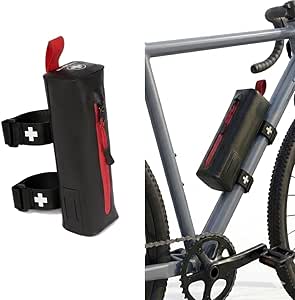
Bike First Aid Kit for Cyclist’s, Compact Waterproof Case, Attaches to Bike Frame, Essential Supplies for Trauma & Emergencies, Black Red
This kit stands out for its slim, waterproof design that attaches securely to your bike, making it ideal for quick access during rides. Compared with larger or more comprehensive kits like the Surviveware, this option sacrifices some variety in supplies for a lightweight, streamlined package perfect for short rides or trail adventures. Its weatherproof casing ensures supplies stay dry, but the limited volume means fewer items for serious injuries. It’s best suited for cyclists who want essentials without extra bulk, though it might not satisfy those needing more extensive first aid options. Pros: Compact and lightweight, waterproof casing, easy to attach to bike frame, and includes 50 essential supplies. Cons: Limited capacity for complex injuries, not ideal for multi-day or remote expeditions.
Verdict: Perfect for cyclists seeking a durable, minimal first aid kit for quick repairs during short or moderate rides.- Size:Compact
- Waterproof:Yes
- Attachment Method:Straps
- Supplies Included:50 items
- Material:Weatherproof plastic
- Weight:Lightweight
Lightning X Premium Rip-Away Individual First Aid Kit for Vehicle Head Rest – RED
This kit excels in its universal attachment system, making it suitable for bikes, cars, backpacks, and MOLLE gear, unlike smaller, bike-specific options. Its pre-stocked nature means it’s ready to use immediately, which is ideal for those who prefer convenience. Compared to the cycling-specific kits, this provides a broader array of supplies, though it’s bulkier and less streamlined for bike use alone. It’s best for riders who want a versatile, pre-made emergency kit that can attach to multiple surfaces but may be overkill for dedicated, minimalist cyclists. Pros: Versatile attachment options, pre-stocked and ready, includes useful supplies for real emergencies, MOLLE-compatible design. Cons: Larger and heavier than dedicated bike kits, not specialized for cycling injuries.
Verdict: Suitable for cyclists who want a multi-purpose emergency kit that can also be used in vehicles and backpacks.- Attachment Type:Hook and Loop, MOLLE straps
- Pre-stocked:Yes
- Supplies:Multiple first aid essentials
- Material:Durable fabric
- Weight:Moderate
- Compatibility:Vehicle, backpack, bike
- This kit makes the most sense for cyclists venturing into remote areas or multi-day rides, thanks to its extensive 98-piece inventory and rugged design. While it surpasses the smaller, bike-specific kits like the Cycling First Aid Kit in terms of contents, it’s bulkier and less convenient for quick roadside fixes. The organized compartments and water-resistant materials make it highly durable, but this comes at the expense of portability for casual or short-distance cycling. If your rides involve wilderness adventures or longer trips, this kit offers peace of mind; for urban or short rides, it might be more than you need. Pros: Large, comprehensive set of supplies, organized compartments, water and rip-resistant, suitable for outdoor excursions, includes a CPR pouch and guide. Cons: Heavier and bulkier, less suited for quick access during quick rides.
Verdict: Ideal for cyclists who prioritize extensive coverage and rugged durability over size and weight.- Number of Pieces:98
- Water Resistant:Yes
- Rugged Material:600D Polyester
- Includes:CPR pouch, First Aid Guide
- Mounting Options:Removable MOLLE straps
- FSA/HSA Eligible:Yes
Cycling First Aid Kit for Riders – Compact Bike IFAK with Gauze, Wound Care & Blister Relief | Trail-Ready Medical Kit for Road Rash, Crashes & Cuts | Fits Jersey or Saddle Bag
This kit is designed specifically for cyclists who need quick, targeted wound care without extra bulk, making it ideal for trail riders and commuters. The triangular pouch attaches securely to your bike frame, ensuring immediate access during emergencies, unlike bulkier, multi-purpose kits. It’s tailored to handle common cycling injuries like road rash, scrapes, and chainring cuts, but the limited supplies mean it’s not suitable for more serious injuries or multi-wound emergencies. If you’re a rider who values speed, organization, and minimal weight, this kit offers exactly what you need; however, those seeking a comprehensive first aid solution might find it too limited. Pros: Custom-built for cyclists, secure frame attachment, organized for fast access, includes essential wound care items. Cons: Limited in scope—does not cover severe injuries, small capacity for extensive emergencies.
Verdict: Perfect for trail riders and daily commuters seeking a lightweight, bike-specific first aid solution.- Design:Triangular pouch
- Attachment:Bike frame straps
- Supplies Included:Gauze, wipes, bandages
- Water Resistance:Yes
- Size:Compact
- Intended Use:Road rash, scrapes, trail injuries
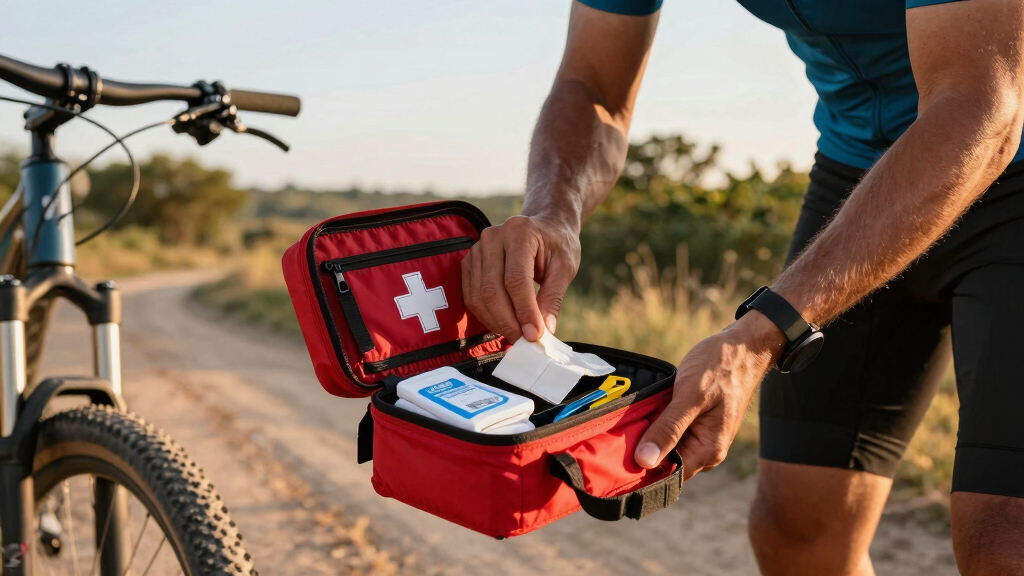
How We Picked
In selecting these first aid kits, I prioritized real-world usability for cyclists—focusing on size, weight, and ease of attachment. The contents had to be relevant for common cycling injuries like cuts, scrapes, and road rash, while also considering durability and waterproof features suited for outdoor use. Value was another key factor; I looked for kits that provide comprehensive supplies without unnecessary extras that add bulk. Finally, the ability to quickly access and organize supplies on the go was vital, so kits with clear compartments and attachment options ranked higher. This led to a diverse lineup that covers different riding styles and needs while maintaining high standards for quality and practicality.Factors to Consider When Choosing Best First Aid Kit For Cyclists
Choosing the right first aid kit for cycling involves considering several factors beyond just the number of items. It’s important to match the kit’s size and weight to your typical ride length and difficulty. Durability and waterproofing are vital if you cycle in variable weather, ensuring supplies stay intact. Accessibility and attachment options can make a significant difference during an emergency, so look for kits that are easy to secure and quick to open. Additionally, evaluate the contents—prioritizing supplies that address common injuries like cuts, scrapes, and road rash. Lastly, consider your budget and whether investing in a more comprehensive, possibly bulkier kit, aligns with your riding frequency and adventure scope.Size and Portability
Portability is key for cycling first aid kits because you want something that won’t weigh you down or interfere with riding. Smaller, lightweight kits are ideal for daily commuting or short rides, but they might lack certain supplies needed for more serious injuries. Conversely, larger kits with more comprehensive contents work better for long-distance or multi-day trips, but they can be cumbersome to carry or attach securely to your bike. Think about how often and how far you ride—this will influence whether you need a compact saddle bag or a slightly larger, more inclusive case.
Durability and Waterproofing
Cycling exposes your gear to weather, dirt, and rough handling, making durable, waterproof kits essential. A kit that can withstand rain or splashes without compromising its contents ensures you’re prepared even in unpredictable conditions. Look for sealed, water-resistant cases or pouches with sturdy zippers and reinforced materials. Failing to consider waterproofing might mean opening a soaked kit mid-ride, leaving you without critical supplies when you need them most.
Contents and Relevance
Not all first aid kits are created equal—some are packed with extras that won’t be useful during a quick roadside fix. Focus on kits that include essentials like antiseptic wipes, bandages, gauze, and pain relief, tailored to common cycling injuries like cuts and scrapes. Kits with specialized items like blister pads or burn ointments are a bonus, but unnecessary clutter can make access harder. Prioritize relevance over quantity to ensure you’re prepared without carrying excess weight.
Ease of Access and Attachment
In an emergency, quick access is everything. Look for kits with clear compartments or labeled sections that facilitate rapid retrieval of supplies. Attachment options—such as straps, clips, or MOLLE-compatible pouches—are equally important, allowing you to secure the kit firmly to your bike or gear. A kit that’s difficult to open or poorly attached can waste valuable seconds, increasing risk during a crash or injury.
Budget Considerations
While it’s tempting to opt for the cheapest option, investing in a well-made, relevant kit can make a real difference in emergency situations. Budget kits often lack durability or contain fewer critical supplies, which could limit their usefulness. Conversely, premium kits tend to be more durable, organized, and comprehensive, but they come at a higher price. Balance your riding needs and frequency with your budget to find a kit that offers good value and peace of mind.
Frequently Asked Questions
Should I choose a smaller or larger first aid kit for cycling?
The choice depends on your typical rides and needs. Smaller kits are perfect for daily commutes or short rides where weight and ease of access are priorities. They usually contain basic supplies like bandages and antiseptic wipes. Larger kits are better suited for longer trips, bikepacking, or adventures in remote areas, as they include a wider range of supplies to handle more serious injuries or prolonged emergencies. Consider the tradeoff between convenience and comprehensiveness before deciding.
What features make a first aid kit ideal for outdoor cycling?
For outdoor cycling, durability and waterproofing are essential features to prevent damage from weather and rough handling. Compactness and secure attachment options ensure the kit stays in place and is easy to access during a ride. Additionally, the contents should be relevant for outdoor injuries—like road rash, cuts, or burns—while including items such as antiseptics, bandages, and blister treatment. A kit that combines these features delivers greater peace of mind during outdoor adventures.
Is it worth paying more for a premium first aid kit for cycling?
Investing in a premium kit often means better build quality, more organized compartments, and contents tailored to serious injuries. These kits tend to last longer and withstand the rigors of outdoor use, making them a worthwhile choice for frequent or long-distance riders. However, if your cycling is mostly short, urban trips, a basic but well-organized kit can suffice. Weigh the frequency and nature of your rides against the cost to determine if the extra investment aligns with your safety needs.
Can I customize a first aid kit for cycling?
Yes, many cyclists prefer to personalize their kits by adding specific supplies like blister pads, allergy medication, or specialized ointments. Customization allows you to tailor the contents to your riding style, health needs, and typical injury risks. Just ensure the kit has enough space and organization to accommodate these extras without sacrificing quick access. Regularly reviewing and updating your kit ensures it remains relevant and ready for any situation.
How often should I replace or update my cycling first aid kit?
It’s wise to inspect your kit at least every six months, especially after long trips or harsh weather exposure. Check for expired medications or depleted supplies and replace them promptly. If the kit shows signs of wear or damage, replacing it ensures reliability during emergencies. Keeping your kit stocked and in good condition guarantees it will be effective when needed most, providing ongoing peace of mind for your rides.
Conclusion
For daily commuters or casual riders, a compact, waterproof kit like the Bike First Aid Kit for Cyclist’s offers quick access and essential coverage. Serious adventure cyclists or those venturing into remote areas should consider a comprehensive option like the Surviveware 98 Pcs Premium Survival First Aid Kit for extended safety. Beginners or infrequent riders might opt for budget-friendly, basic kits, while seasoned cyclists seeking durability and organization should look at premium models. Ultimately, your choice depends on your riding frequency, adventure scope, and need for portability versus comprehensiveness—pick the one that best aligns with your cycling style and safety priorities.