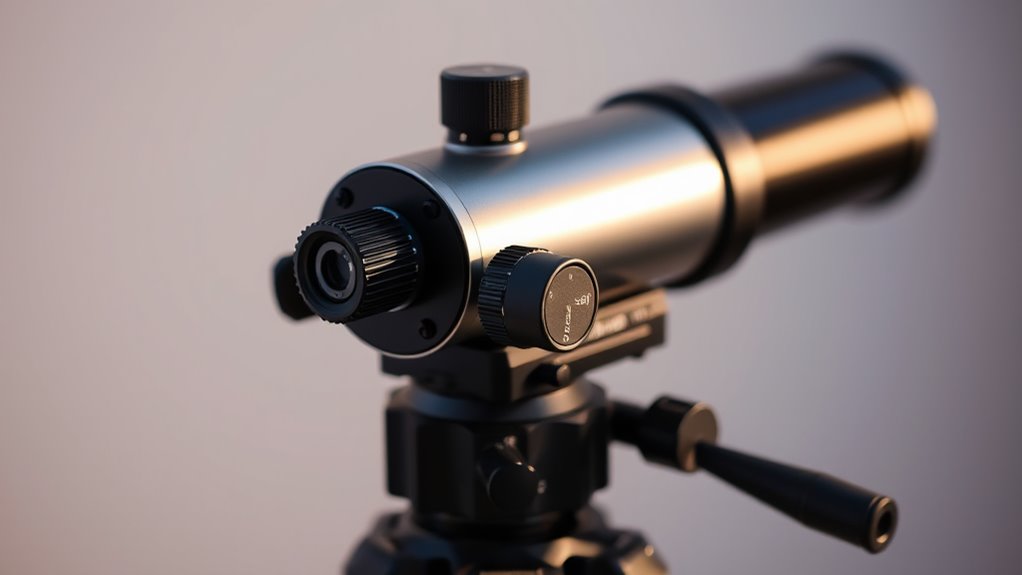

Starting out in astronomy often means balancing portability, ease of use, and affordability. For beginners looking to automate their viewing experience, motorized alt-azimuth mounts provide a straightforward way to track celestial objects without the complexity of equatorial mounts. The Sky-Watcher AZ-GTi with SkyMax 102 stands out as the most portable, offering WiFi control and a compact telescope perfect for lunar and planetary views. Meanwhile, the Sky-Watcher AZ-GTi with SkyMax 127 offers a larger aperture for more detailed planetary observing and astrophotography. For those willing to handle a slightly heavier setup, the Sky-Watcher AZ-GTI Portable Computerized Mount provides solid features at a competitive price. Each of these options trades some advanced capabilities for simplicity and portability, making them ideal for beginners but with different priorities in mind.

Get bike and ride gear delivered free with Prime
- Fast, free delivery on millions of items
- Prime Video, Amazon Music and more included
- Member-only deals all year
Key Takeaways
- Portability and WiFi control are key advantages for beginner-friendly mounts.
- Payload capacity determines what telescopes or cameras you can attach comfortably.
- Ease of setup and app control are major deciding factors for new users.
- Larger apertures improve planetary views but often add weight and complexity.
- More advanced tracking features may be limited or unnecessary for absolute beginners.


| motorized alt az mounts for beginner | Weight | Payload Capacity | Control |
|---|---|---|---|
| Sky-Watcher AZ-GTi with SkyMax | 8.6 pounds | 11 pounds | App controlled via smartphone or tablet |
| Sky-Watcher AZ-GTi with SkyMax | 8.6 pounds | 11 pounds | WiFi-enabled, app controlled |
| Sky-Watcher AZ-EQ6 GoTo SyncSc | — | — | — |
| Sky-Watcher AZ-GTI Portable Co | 8.6 pounds | 11 pounds | — |
More Details on Our Top Picks
Sky-Watcher AZ-GTi with SkyMax 102 – Modular Go-To Alt-Az Tracking Mount for Time-lapse and Panoramas – WiFi Enabled App Controlled
The Sky-Watcher AZ-GTi with SkyMax 102 excels in offering a lightweight, portable setup that’s perfect for beginners who prioritize ease of transport. Its 102mm Maksutov-Cassegrain telescope makes it ideal for planetary and lunar viewing, delivering sharp images of the Moon and planets. The WiFi-enabled app control simplifies operation, especially for those unfamiliar with manual mount adjustments. The dual-encoder technology allows for accurate tracking and smooth manual slewing, providing a good balance between automation and control. However, its 11-pound payload capacity means it’s best suited for smaller telescopes or cameras, limiting future upgrade options. This model is a great starter for those wanting a straightforward, versatile mount for planetary observing on the go.
Pros:- Lightweight and portable for mobile astronomy
- WiFi control via smartphone app
- Includes a capable 102mm Maksutov-Cassegrain telescope
- Dual-encoder technology for precise tracking
Cons:- Limited payload makes it unsuitable for larger telescopes
- Dependent on smartphone or tablet for operation
- Included telescope may not meet advanced astrophotography needs
Best for: Beginners seeking a portable, easy-to-use planetary and lunar scope
Not ideal for: Users planning to mount larger telescopes or do heavy astrophotography
- Weight:8.6 pounds
- Payload Capacity:11 pounds
- Telescope Included:SkyMax 102mm Maksutov-Cassegrain
- Max Focal Length:1300mm
- WiFi Enabled:Yes
- Control:App controlled via smartphone or tablet
Our verdict“A perfect starter for lunar and planetary observers prioritizing portability and simple app control.”
Sky-Watcher AZ-GTi with SkyMax 127 – Modular Go-To Alt-Az Tracking Mount for Time-lapse and Panoramas – Wifi Enabled App Controlled
The Sky-Watcher AZ-GTi with SkyMax 127 offers a notable upgrade with its 127mm Maksutov-Cassegrain, making it more suitable for detailed planetary observations and basic astrophotography. Its 8.6-pound weight and WiFi control make it equally portable, while the larger aperture provides brighter images and more detail than the 102mm version. This mount continues to support automatic tracking and panorama functions, appealing to hobbyists interested in time-lapse photography. The tradeoff is that the payload capacity remains at 11 pounds, which may limit heavier telescopes or advanced camera gear. For beginners wanting a step-up in observing detail without sacrificing portability, this model fits well.
Pros:- Larger 127mm aperture for brighter, more detailed images
- WiFi app control for remote operation
- Supports time-lapse and panoramic photography
- Lightweight and portable design
Cons:- Same payload limit as smaller models
- Learning curve with app features
- The included telescope may not satisfy advanced astrophotographers
Best for: Beginners wanting better planetary detail and simple astrophotography
Not ideal for: Heavy or large telescope setups or those seeking advanced imaging options
- Weight:8.6 pounds
- Telescope Type:Maksutov-Cassegrain
- Telescope Aperture:127mm
- Payload Capacity:11 pounds
- Control:WiFi-enabled, app controlled
- Features:Time-lapse, panorama, dual encoders
Our verdict“A solid choice for beginners eager to explore more detailed planetary views with effortless remote control.”
Sky-Watcher AZ-EQ6 GoTo SyncScan Equatorial Mount
The Sky-Watcher AZ-EQ6 GoTo SyncScan is a step beyond typical alt-az mounts, offering high-precision tracking and equatorial alignment. Although more complex to set up, it provides highly accurate celestial positioning—ideal for those serious about astrophotography or tracking faint objects. Its advanced GoTo and synchronization features may feel intimidating for absolute beginners, but it’s an excellent investment for those ready to grow into more serious astronomy. Its weight and bulk make it less portable, and it’s overkill for casual viewing, but it’s unmatched in precision and capability for the motivated beginner.
Pros:- High-precision tracking for astrophotography
- Advanced GoTo and synchronization
- Supports a wide range of accessories
- Suitable for long exposure imaging
Cons:- Complex setup process
- Heavy and bulky, less portable
- Overly advanced for total beginners
Best for: Beginners with some experience seeking to develop astrophotography skills
Not ideal for: Complete novices or those prioritizing portability and simplicity
Our verdict“A powerful option for beginners ready to advance into serious astrophotography and precise tracking.”
Sky-Watcher AZ-GTI Portable Computerized Alt-Az Mount with WiFi Control
The Sky-Watcher AZ-GTI offers a lightweight, rugged design perfect for outdoor adventures. Its sturdy all-metal gears provide smooth tracking, and the WiFi-enabled app control makes setup and operation straightforward, even in field conditions. Supporting payloads up to 11 pounds, it’s suitable for small telescopes and cameras, making it ideal for spontaneous observing sessions or astrophotography on the move. The main tradeoff is that prolonged use requires external power, and the mount’s simplicity may limit advanced features for more experienced astronomers. For beginners who value portability and quick setup, this model makes a compelling choice.
Pros:- Lightweight and portable for travel
- WiFi control with smartphone app
- Supports astrophotography with time-lapse and panorama features
- All-metal gears for durability and smooth tracking
Cons:- Limited payload for larger telescopes
- Requires external power for extended sessions
- Setup may be complex for absolute beginners
Best for: Travelers and outdoor enthusiasts wanting quick, reliable setup
Not ideal for: Users who need to mount larger, heavier gear or require complex functionalities
- Weight:8.6 pounds
- Payload Capacity:11 pounds
- Tripod Height Range:28 to 53 inches
- Power Options:AA batteries, 12V external input
Our verdict“A perfect mount for outdoor enthusiasts seeking lightweight, reliable tracking in a portable package.”
How We Picked
Our selection focused on mounts that balance simplicity, affordability, and portability, all critical for beginners. We prioritized mounts that are easy to set up and operate via smartphone apps, ensuring intuitive control. Payload capacity was considered to match typical beginner telescopes and cameras, avoiding overwhelming new users with heavy gear. We favored models with WiFi or app connectivity for remote operation and included options with different aperture sizes to suit various observing interests. Finally, we examined user reviews and manufacturer reputation to ensure each product offers reliable performance suitable for those just starting out in astronomy.
| motorized alt az mounts for beginner | Control |
|---|---|
| Sky-Watcher AZ-GTi with SkyMax | App controlled via smartphone or tablet |
| Sky-Watcher AZ-GTi with SkyMax | WiFi-enabled, app controlled |
| Sky-Watcher AZ-EQ6 GoTo SyncSc | — |
| Sky-Watcher AZ-GTI Portable Co | — |
Factors to Consider When Choosing Motorized Alt Az Mounts For Beginners
Choosing the right motorized alt-az mount as a beginner involves understanding your specific needs. Portability, ease of control, and payload capacity are key considerations. Mounts with WiFi or app control simplify operation, especially for those unfamiliar with manual adjustments. The size of the included telescope or camera compatibility influences your observing or imaging plans. Balancing these factors can help you find a mount that offers a smooth introduction to automated astronomy without overwhelming complexity.
Portability and Ease of Use
For beginners, lightweight, WiFi-enabled mounts are often the best choice. They allow quick setup, easy remote control, and effortless transport to different observing sites. Mounts like the Sky-Watcher AZ-GTi models excel here, making them ideal for casual observing or travel. Heavier mounts, especially those with advanced features, tend to be less portable but offer more precise tracking—something beginners may not need right away.
Payload Capacity and Compatibility
Most beginner mounts support small telescopes and cameras within 11 pounds. It’s important to choose a mount that can handle your planned gear comfortably, but not so oversized that it becomes unwieldy. Overloading a mount can reduce tracking accuracy and cause mechanical stress. Focus on mounts with clear specs and support for your primary equipment, especially if you plan to upgrade later.
Control and Features
App control via WiFi is a major plus for beginners, offering intuitive operation and remote adjustments. Features like automatic tracking, panorama, and time-lapse support enhance the experience and help you learn celestial movement. However, more advanced features often introduce complexity; for absolute newcomers, a straightforward mount with essential automation is preferable.
Price and Future Growth
Most beginner mounts are priced affordably, but investing in a slightly more capable model can extend your hobby’s lifespan. Be cautious of mounts that are too basic, as they may limit future upgrades or learning opportunities. Conversely, overly complex mounts may be overwhelming initially—look for a balanced option with room to grow as your skills improve.
Frequently Asked Questions
Can I use these mounts for astrophotography?
Yes, but with limitations. These mounts support basic astrophotography, especially with small cameras or lightweight telescopes. However, for longer exposures or more advanced imaging, you might eventually need a more sophisticated equatorial mount or one with higher tracking precision. For beginners, these mounts provide a good starting point to learn tracking fundamentals.
Do I need to be tech-savvy to operate these mounts?
Not necessarily. Many of these mounts feature intuitive smartphone app controls that simplify setup and operation. Once connected, they typically require minimal manual adjustments, making them accessible for users new to astronomy. Some models, however, might have a slight learning curve, especially with advanced features or initial setup procedures.
What kind of telescopes can I attach to these mounts?
Most beginner mounts support telescopes or cameras weighing up to around 11 pounds. This typically includes small refractors, Maksutov-Cassegrain types, or lightweight DSLR setups. Larger or heavier telescopes are generally incompatible or require sturdier, more advanced mounts. Always check the payload specifications before mounting your gear.
Are these mounts suitable for traveling?
Absolutely. The lightweight and compact design of models like the Sky-Watcher AZ-GTi makes them excellent for travel, outdoor sessions, or spontaneous observing. Their portability combined with WiFi control means you can set up and operate them quickly in various locations, making them ideal for on-the-go astronomy.
Will I need external power sources?
Most of these mounts can operate on batteries or external power sources, which is convenient for field use. Keep in mind that extended sessions may require external power, especially for mounts with higher power consumption. Planning for portable power solutions ensures uninterrupted observing or imaging sessions.
Conclusion
Beginners primarily interested in lunar, planetary, or casual deep-sky observing should lean toward lightweight, app-controlled mounts like the Sky-Watcher AZ-GTi with SkyMax 102 or 127. These provide excellent ease of use and portability without overwhelming complexity. Those eager to develop astrophotography skills and willing to handle a heavier, more involved setup might consider the AZ-GTi with larger aperture or explore more advanced mounts like the AZ-EQ6. Overall, the best choice depends on your priorities: portability and simplicity versus future growth and imaging potential.