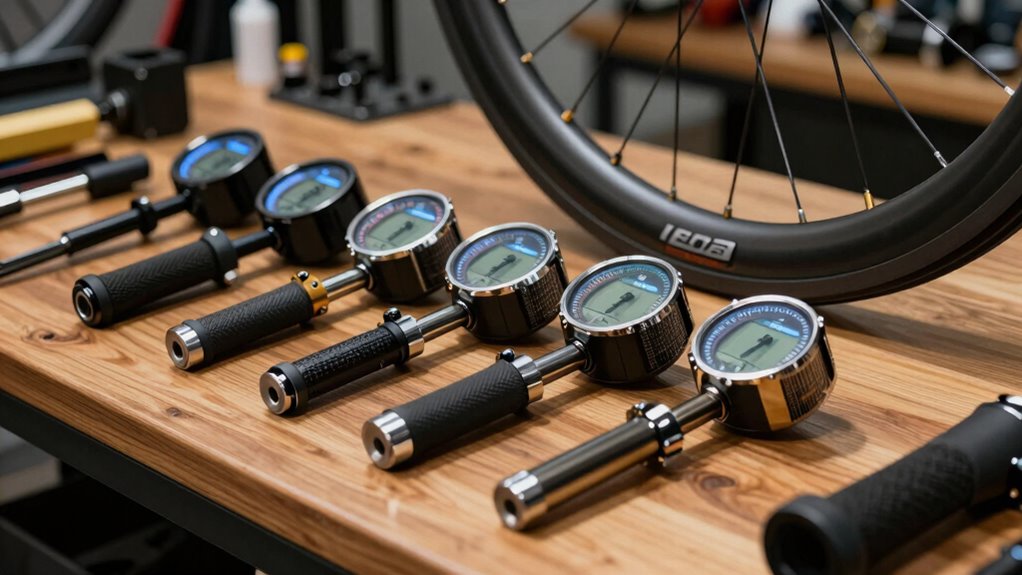

Choosing the right spoke tension meter for wheel building ensures your wheels are true, durable, and perform reliably. The Park Tool TM-1 stands out as the best overall due to its accuracy and ease of use. For budget-conscious builders, the QWORK Bicycle Spoke Tension Meter offers solid performance at a lower price, though it may lack some advanced features. Meanwhile, the DT Swiss Tensiometer provides high precision but at a premium cost. Readers face tradeoffs between accuracy, ease of use, and price, making it important to understand what each tool offers. Continue reading for a detailed breakdown of these options and how they can meet different wheel building needs.
Listen free for 30 days with Audible
Thousands of audiobooks and originals — cancel anytime.
Start your free trialAs an affiliate, we earn on qualifying purchases.
Key Takeaways
- The top picks balance accuracy, build quality, and ease of use; the Park Tool TM-1 leads in all three areas.
- Digital tension meters offer more precise readings but tend to be more expensive and sensitive to calibration.
- Budget models can be sufficient for casual or beginner wheel building, yet may sacrifice some accuracy and durability.
- Material quality, especially in the tensioning mechanism, significantly impacts long-term reliability and measurement consistency.
- Additional features like calipers and multi-spoke measurement can streamline workflow but often come with higher costs.
| Bicycle Spoke Tension Meter Measuring Tool with Specification Caliper |  | Best Overall for Versatile DIY Use | Material: Aluminum alloy | Finish: Hard-anodized | Compatibility: Steel, flat, aluminum, Mavic, titanium spokes | VIEW ON AMAZON | See Our Full Breakdown |
| QWORK Bicycle Spoke Tension Meter Measuring Tool – Aluminum Alloy Wheel Tension Tester for MTB & Road Bikes |  | Best Precision for Enthusiasts and Professionals | Material: Aluminum alloy | Function: Measures spoke tension | Compatibility: MTB, road bikes, various spoke diameters | VIEW ON AMAZON | See Our Full Breakdown |
| Bicycle Spoke Tension Meter Measuring Tool, Adjustment Wheel Repair Indicator |  | Best for Wheel Maintenance and DIY Adjustment | Material: Aluminum alloy | Finish: Hard-anodized | Compatibility: Steel, flat, aluminum, Mavic, titanium spokes | VIEW ON AMAZON | See Our Full Breakdown |
| Bicycle Spoke Tension Meter for Mountain Bikes |  | Best for Mountain Bike Wheel Adjustment | Material: Aluminum alloy | Application: Bicycle spoke tension measurement | Features: Tension comparison table | VIEW ON AMAZON | See Our Full Breakdown |
| Tookie Spoke Tension Meter – Aluminum Alloy Bicycle Wheel Tensiometer |  | Best Budget-Friendly Choice for Basic Tensioning | Material: Aluminum alloy | Use: Measure spoke tension | Compatibility: Round and flat spokes | VIEW ON AMAZON | See Our Full Breakdown |
| NINEFOX Bicycle Spoke Tension Meter Tensiometer Wheel Repair Tool |  | Best for Beginners or Home Mechanics | Material: Aluminum | Item Weight: 0.32 ounces | Dimensions: 12.6 x 3.94 x 3.15 inches | VIEW ON AMAZON | See Our Full Breakdown |
| Park Tool TM-1 Spoke Tension Meter |  | Best for Professional-Grade Precision | Material Compatibility: Steel, Aluminum, Titanium, Carbon fiber | Rebuildable: Yes | Made in: USA | VIEW ON AMAZON | See Our Full Breakdown |
| Saycker 13-Piece Bike Spoke Tool Set with Tension Meter and Repair Tools |  | Best Complete Workshop Set | Number of tools: 13 | Material: Aluminum alloy and stainless steel | Spoke tension meter size: 120x195mm | VIEW ON AMAZON | See Our Full Breakdown |
| Bike Spoke Tension Meter for Round and Bladed Spokes with Caliper Wheel Truing Tool | | Best for Accurate Manual Tension Checks | Material: Aluminum alloy | Compatible Spokes: Round and bladed | Use: Wheel truing, maintenance, diagnosis | VIEW ON AMAZON | See Our Full Breakdown |
| DT Swiss Tensiometer Analogue Edition II |  | Best Simple Analog Tensiometer | Type: Analog dial | Display: Mechanical | Ease of use: High | VIEW ON AMAZON | See Our Full Breakdown |
| Bicycle Spoke Tension Meter Aluminum Alloy Wheel Tensiometer Tool | | Best Overall for Reliability and Compatibility | Material: Aluminum alloy | Application: Measuring spoke tension on bike wheels | Compatibility: Steel, flat, aluminum, Mavic, titanium spokes | VIEW ON AMAZON | See Our Full Breakdown |
| Bicycle Spoke Tension Meter, Mechanical & Digital Gauge for 26-29 Inch Wheels |  | Best Versatility with Mechanical & Digital Options | Material: Aluminum alloy | Weight (Mechanical): 346g | Weight (Digital): 360g | VIEW ON AMAZON | See Our Full Breakdown |
| Bicycle Spoke Tension Meter – Mechanical and Digital Wheel Building Tool for 26-29 Inch Bikes |  | Best for Long-Lasting Performance and Broad Compatibility | Material: Aluminum alloy | Weight (Mechanical): 346g | Weight (Digital): 360g | VIEW ON AMAZON | See Our Full Breakdown |
| spoke tension meter for wheel building | Material | Compatibility |
|---|---|---|
| Bicycle Spoke Tension Meter Me | Aluminum alloy | Steel, flat, aluminum, Mavic, titanium spokes |
| QWORK Bicycle Spoke Tension Me | Aluminum alloy | MTB, road bikes, various spoke diameters |
| Bicycle Spoke Tension Meter Me | Aluminum alloy | Steel, flat, aluminum, Mavic, titanium spokes |
| Bicycle Spoke Tension Meter fo | Aluminum alloy | — |
| Tookie Spoke Tension Meter | Aluminum alloy | Round and flat spokes |
| NINEFOX Bicycle Spoke Tension | Aluminum | — |
| Park Tool TM-1 Spoke Tension M | — | — |
| Saycker 13-Piece Bike Spoke To | Aluminum alloy and stainless steel | — |
| Bike Spoke Tension Meter for R | Aluminum alloy | — |
| DT Swiss Tensiometer Analogue | — | — |
| Bicycle Spoke Tension Meter Al | Aluminum alloy | Steel, flat, aluminum, Mavic, titanium spokes |
| Bicycle Spoke Tension Meter | Aluminum alloy | 26, 27.5, 700C, 29-inch wheels |
| Bicycle Spoke Tension Meter | Aluminum alloy | 26, 27.5, 700C, 29-inch wheels |
More Details on Our Top Picks
Bicycle Spoke Tension Meter Measuring Tool with Specification Caliper
This tension meter stands out for its durable aluminum alloy construction combined with broad compatibility across various spoke types, making it ideal for DIY enthusiasts who want reliable readings without professional-grade precision. Compared to the QWORK model, it offers similar durability but lacks the calibration finesse, which might matter for more precise tuning. Its straightforward manual operation means it’s accessible for most users, yet it may introduce small measurement variances that aren’t suitable for high-end wheel building. Its easy-to-read caliper and durable finish make it a practical choice for home mechanics.
Pros:- Durable and wear-resistant aluminum alloy body
- Wide compatibility with steel, titanium, and aluminum spokes
- Simple to use for basic tension measurement
- Reliable for regular maintenance tasks
Cons:- Potential for slight measurement errors due to manual reading
- Lacks digital readout for higher accuracy
Best for: DIY cyclists and bike shop owners needing a reliable, all-round tension meter
Not ideal for: Professional wheel builders requiring ultra-precise measurements and digital features
- Material:Aluminum alloy
- Finish:Hard-anodized
- Compatibility:Steel, flat, aluminum, Mavic, titanium spokes
- Usage:Measuring spoke tension, wheel maintenance
Our verdict“This tool is well-suited for DIYers and hobbyists seeking a sturdy and versatile tension meter without the need for extreme precision.”
QWORK Bicycle Spoke Tension Meter Measuring Tool – Aluminum Alloy Wheel Tension Tester for MTB & Road Bikes
This model offers high-precision tension measurement that makes it a top pick for serious cyclists and wheel builders who need accurate calibration, especially compared to the Bike Spoke Tension Meter for Mountain Bikes with its basic tension table. Its intuitive, simple design keeps operation straightforward, but some users might find it requires familiarity to get the most accurate results. Its durable aluminum construction ensures longevity, but its focus on tension measurement means it doesn’t provide wheel truing features. Perfect for those who prioritize accuracy over additional tools.
Pros:- High-precision measurement for optimal wheel performance
- Durable, corrosion-resistant aluminum alloy body
- Easy to operate for both professionals and hobbyists
- Compatible with diverse bike types and spoke sizes
Cons:- Requires some familiarity to achieve accurate results
- Limited to tension measurement only
Best for: Professional bike mechanics and serious enthusiasts focused on precise tension calibration
Not ideal for: Beginners or casual riders who need a simple, inexpensive tension gauge without calibration features
- Material:Aluminum alloy
- Function:Measures spoke tension
- Compatibility:MTB, road bikes, various spoke diameters
- Design:Simple, intuitive
- Calibration:Accurate calibration capabilities
Our verdict“This tension meter is best suited for serious bike builders and mechanics who seek accurate, calibrated tension readings for high-performance wheels.”
Bicycle Spoke Tension Meter Measuring Tool, Adjustment Wheel Repair Indicator
This tension meter emphasizes easy maintenance with a focus on tension measurement, similar to the Bike Spoke Tension Meter for Mountain Bikes, but it also promotes making necessary adjustments for wheel strength and safety. Its durable aluminum body and straightforward operation make it accessible for DIYers, though it shares the same limitation: measurement error potential and no wheel truing capability. It’s a practical tool for those who want to verify tension before making minor adjustments, especially for maintenance routines.
Pros:- Durable, wear-resistant aluminum alloy construction
- Compatible with diverse spoke types
- Easy to use for basic tension checks
- Helps maintain safe, strong wheels
Cons:- Limited to tension measurement, not a truing tool
- Possible measurement inaccuracies without professional calibration
Best for: DIY cyclists and wheel repair enthusiasts who want to maintain wheel integrity
Not ideal for: Professional wheel builders needing comprehensive truing and high-precision calibration
- Material:Aluminum alloy
- Finish:Hard-anodized
- Compatibility:Steel, flat, aluminum, Mavic, titanium spokes
- Application:Spoke tension measurement
Our verdict“This tension meter is suitable for DIYers focused on maintaining wheel safety and integrity through simple tension checks.”
Bicycle Spoke Tension Meter for Mountain Bikes
This tension meter focuses on mountain bike wheels, providing a clear tension comparison table to facilitate quick, accurate adjustments. Compared with multi-purpose tools like the QWORK, it’s more specialized, making it ideal for mountain bikers who need a straightforward, rugged tension gauge. Its simple design limits it to tension measurement, lacking wheel truing features, but the inclusion of a reference table helps less experienced users achieve better results. It’s a practical choice for mountain bikers who want quick, consistent tension checks.
Pros:- Durable aluminum alloy construction
- Provides precise tension measurements
- Includes a tension reference table for ease of use
- Designed for rugged mountain biking conditions
Cons:- Limited to tension measurement, no truing features
- Requires familiarity with tension adjustments for best results
Best for: Mountain bikers and mechanics focusing on MTB wheel maintenance and quick tension adjustments
Not ideal for: Road cyclists or high-end wheel builders needing detailed calibration or truing abilities
- Material:Aluminum alloy
- Application:Bicycle spoke tension measurement
- Features:Tension comparison table
Our verdict“This tension meter is ideal for mountain bikers who want a reliable, easy-to-use tool for quick tension checks on MTB wheels.”
Tookie Spoke Tension Meter – Aluminum Alloy Bicycle Wheel Tensiometer
The Tookie tension meter offers reliable tension readings in a simple, durable package, making it suitable for entry-level wheel building and repairs. Compared with the QWORK model, it lacks calibration features but wins in affordability and ease of operation. Its straightforward design makes it accessible for beginners, though the absence of a digital display can lead to slightly less precise readings. This pick suits those who need a basic tension gauge without extra bells and whistles.
Pros:- Affordable and simple to operate
- Rugged aluminum alloy construction
- Provides accurate tension estimates for most applications
- Lightweight and portable
Cons:- No digital readout for easier reading
- Limited to basic tension measurement, not a comprehensive truing tool
Best for: Beginners and casual cyclists building or repairing wheels on a budget
Not ideal for: Advanced wheel builders or professionals requiring precise calibration and detailed measurements
- Material:Aluminum alloy
- Use:Measure spoke tension
- Compatibility:Round and flat spokes
Our verdict“This tension meter is a solid choice for newcomers and casual riders who want a straightforward, reliable tension gauge at an affordable price.”
NINEFOX Bicycle Spoke Tension Meter Tensiometer Wheel Repair Tool
The NINEFOX Bicycle Spoke Tension Meter stands out for its simplicity and lightweight aluminum design, making it ideal for those new to wheel building or home repairs. Unlike the more feature-rich Park Tool TM-1, it focuses exclusively on tension measurement, which keeps things straightforward but limits its versatility for complex wheel truing. Its compatibility with various spoke types ensures broad usefulness, yet the lack of additional repair features means you’ll need other tools for comprehensive wheel work. This tension meter is perfect for casual riders or hobbyists who want reliable tension readings without the complexity of advanced calibration or professional-grade features.
Pros:- Lightweight and durable aluminum alloy construction
- Compatible with many spoke types, including titanium and aluminum
- Simple design for easy handling and quick tension checks
Cons:- Limited to tension measurement only, no truing or repair functions
- Requires familiarity to interpret tension readings accurately
Best for: Beginners and home mechanics seeking an easy-to-use tension meter for basic wheel maintenance
Not ideal for: Professional wheel builders or those needing multi-function wheel repair tools, as it lacks additional features
- Material:Aluminum
- Item Weight:0.32 ounces
- Dimensions:12.6 x 3.94 x 3.15 inches
- Color:Red+black
- Style:bike spoke tool
- Package Quantity:1
Our verdict“This tension meter is best suited for casual users who need reliable tension readings without extra repair features.”
Park Tool TM-1 Spoke Tension Meter
The Park Tool TM-1 offers precise tension measurement with a mechanical gauge, making it a favorite among serious wheel builders. Compared with the simpler NINEFOX model, the TM-1 provides a more detailed tension reading, along with a tension conversion chart for multiple spoke materials. Its rebuildable, recalibratable design ensures long-term accuracy, but the need for calibration and occasional maintenance could be a drawback for casual users. This tool is well-suited for professionals or enthusiasts who demand consistent, accurate tension measurements across different spoke types and sizes.
Pros:- Highly accurate and consistent tension readings
- Rebuildable and recalibratable for sustained precision
- Compatibility with a wide range of spoke materials, including carbon fiber
Cons:- Requires calibration over time, which may be complex for novices
- Higher price point and more maintenance than simpler models
Best for: Professional wheel builders or serious hobbyists who need high accuracy and long-term calibration capability
Not ideal for: Beginners or casual riders who prefer a low-cost, no-maintenance tension meter, as the TM-1’s features are more complex
- Material Compatibility:Steel, Aluminum, Titanium, Carbon fiber
- Rebuildable:Yes
- Made in:USA
Our verdict“This tension meter is ideal for experienced wheel builders seeking professional accuracy and durability.”
Saycker 13-Piece Bike Spoke Tool Set with Tension Meter and Repair Tools
The Saycker 13-Piece Bike Spoke Tool Set combines a tension meter with a variety of wrenches and repair tools, offering a comprehensive kit for serious DIYers. Compared with standalone tension meters like the DT Swiss or Park Tool models, this set provides the convenience of multiple tools in one package, making it ideal for those who prefer to handle all repairs in one go. However, its size and the inclusion of tools that may be too advanced for casual users could be overwhelming for beginners. This set makes the most sense for dedicated hobbyists or small shop owners needing a broad toolkit, not just a tension meter.
Pros:- Complete set of essential bike repair tools
- High-strength, durable materials including aluminum and stainless steel
- Ergonomic, lightweight design for portability
Cons:- Some tools may be too specialized for casual use
- No detailed instructions included, requiring prior knowledge
Best for: Enthusiasts or small workshop owners seeking a comprehensive bike repair toolkit
Not ideal for: Casual riders or beginners who only want a simple tension measurement device, as the set is bulky and complex
- Number of tools:13
- Material:Aluminum alloy and stainless steel
- Spoke tension meter size:120x195mm
- Included wrenches:8 open-end, Y-shaped hex, socket, valve stem core, barrel wrench
Our verdict“This kit suits serious DIYers or small shops needing an all-in-one solution for wheel tension and general repairs.”
Bike Spoke Tension Meter for Round and Bladed Spokes with Caliper Wheel Truing Tool
The Bike Spoke Tension Meter with Caliper provides a manual, repeatable way to check tension on both round and bladed spokes, making it ideal for precise wheel maintenance. Its compatibility with different spoke shapes surpasses some models like the DT Swiss Tensiometer, which is more basic. The inclusion of a caliper enables consistent measurements, but the tool requires manual operation and some skill to achieve accurate results—less forgiving than digital options. It’s best suited for riders who prefer hands-on control and detailed adjustments over fully automated solutions.
Pros:- Ensures consistent tension with a caliper for repeatability
- Compatible with various spoke types, including bladed spokes
- Compact and durable aluminum alloy construction
Cons:- Requires manual operation and some skill to use accurately
- Limited to tension measurement, not a full wheel truing tool
Best for: Experienced cyclists or wheel builders focusing on detailed, manual tensioning and truing
Not ideal for: Beginners or casual riders, as the device demands manual skill and understanding of tension principles
- Material:Aluminum alloy
- Compatible Spokes:Round and bladed
- Use:Wheel truing, maintenance, diagnosis
- Includes:Positioning caliper
Our verdict“This tension meter makes the most sense for experienced users who value manual control and repeatability in wheel maintenance.”
DT Swiss Tensiometer Analogue Edition II
The DT Swiss Tensiometer Analogue Edition II offers straightforward, dial-based tension measurement, making it a reliable choice for those who prefer simplicity over digital features. Compared with the Park Tool TM-1, it lacks a calibration and rebuild option but provides quick, easy readings. Its limited features mean it’s best for users who want a basic, no-fuss tension gauge rather than detailed calibration or multi-material compatibility. This model fits well into a toolkit for riders who prioritize ease of use and durability in a compact form.
Pros:- Simple, easy-to-read analog dial
- Compact and lightweight for portability
- No need for calibration or complex setup
Cons:- Limited to analog readings, no digital display
- Less precise than digital or professional models
Best for: Riders or mechanics who prefer simple, reliable tension measurement without digital complexity
Not ideal for: Wheel builders needing detailed tension data or calibration features, as this model offers only basic analog readings
- Type:Analog dial
- Display:Mechanical
- Ease of use:High
Our verdict“This tension meter is best suited for users who want a straightforward, reliable gauge for basic tension checks.”
Bicycle Spoke Tension Meter Aluminum Alloy Wheel Tensiometer Tool
This tension meter stands out for its durable aluminum alloy construction, providing consistent and accurate measurements across various spoke types, including steel, titanium, and aluminum. Compared with the Park Tool TM-1, which offers high precision but is more expensive, this model offers a practical balance of affordability and reliability. Its hard anodized surface resists wear, making it suitable for frequent use, though it requires some mechanical understanding to operate effectively since it lacks digital readouts. The absence of a digital display means measurements depend on manual reading, which could introduce small errors for less experienced users. Still, its compatibility with different spoke materials makes it a versatile choice for wheel builders focused on accuracy and durability.
Pros:- Durable aluminum alloy construction for long-term use
- Accurate and consistent tension measurement
- Compatible with a wide range of spoke materials
Cons:- Requires some mechanical skill to use effectively
- No digital display for quick readings
Best for: Wheel builders who need a rugged, reliable tension meter compatible with multiple spoke types and prefer manual measurement.
Not ideal for: Beginners or those seeking quick digital readings, as it lacks a digital display and may require some mechanical knowledge to operate properly.
- Material:Aluminum alloy
- Application:Measuring spoke tension on bike wheels
- Compatibility:Steel, flat, aluminum, Mavic, titanium spokes
- Surface Finish:Hard anodized, wear resistant
Our verdict“This tension meter is ideal for experienced wheel builders who prioritize durability and multi-material compatibility over digital convenience.”
Bicycle Spoke Tension Meter, Mechanical & Digital Gauge for 26-29 Inch Wheels
This tension meter offers the flexibility of both mechanical and digital gauges, making it suitable for a range of users from casual builders to precision-focused technicians. Unlike the Aluminum Alloy Tensiometer, which is purely mechanical, this model provides quick digital readings, reducing measurement error and saving time. Its aluminum alloy body ensures durability, while its compatibility with wheels from 26 to 29 inches covers most common bike sizes. However, it’s not suitable for wheels smaller than 26 inches, limiting its use for certain mountain bikes or specialty wheels. The digital version adds convenience but can be slightly heavier, and some users may find the digital interface less intuitive than manual gauges. Overall, this pick offers a good balance of modern features and durability.
Pros:- Available in both mechanical and digital versions for diverse needs
- Durable aluminum alloy construction
- Compatible with a wide range of wheel sizes (26-29 inches)
Cons:- Not suitable for wheels smaller than 26 inches
- Digital version may add weight and complexity
Best for: Wheel builders who value versatility, quick readings, and work on 26-29 inch wheels regularly.
Not ideal for: Bicycle owners focusing on smaller wheel sizes or those who prefer purely mechanical tools for simplicity and longevity.
- Material:Aluminum alloy
- Weight (Mechanical):346g
- Weight (Digital):360g
- Compatibility:26, 27.5, 700C, 29-inch wheels
Our verdict“This tension meter suits users who want flexible, fast readings across standard wheel sizes with the convenience of digital technology.”
Bicycle Spoke Tension Meter – Mechanical and Digital Wheel Building Tool for 26-29 Inch Bikes
This tension meter is designed for serious wheel builders who need a durable, versatile tool capable of handling multiple wheel sizes, similar in function to the Mechanical & Digital Gauge. Its aluminum alloy body promises longevity, while its compatibility with 26 to 29-inch wheels makes it suitable for most bikes, from mountain to road. Compared to the Mechanical & Digital Gauge, it offers a straightforward design with a focus on durability, but lacks specific details about its digital features or calibration, which might concern precision-focused users. Its weight is comparable, and it’s built for repeated use over time. While it doesn’t cater to smaller wheels, its straightforward functionality makes it a dependable choice for professionals and enthusiasts who prioritize durability over digital bells and whistles.
Pros:- Made from durable aluminum alloy for extended use
- Compatible with a wide range of wheel sizes (26-29 inches)
- Suitable for building and maintaining wheels with consistent tension
Cons:- Limited info on digital features or calibration precision
- Not suitable for wheels smaller than 26 inches
Best for: Experienced wheel builders seeking a robust, long-lasting tension meter compatible with a broad range of wheel sizes.
Not ideal for: Beginners or riders who need a compact, lightweight tool for occasional use on smaller wheels or who rely heavily on digital features for quick readings.
- Material:Aluminum alloy
- Weight (Mechanical):346g
- Weight (Digital):360g
- Compatibility:26, 27.5, 700C, 29-inch wheels
Our verdict“This tension meter best serves experienced builders who require a rugged, broad-compatibility tool without the need for detailed digital features.”
How We Picked
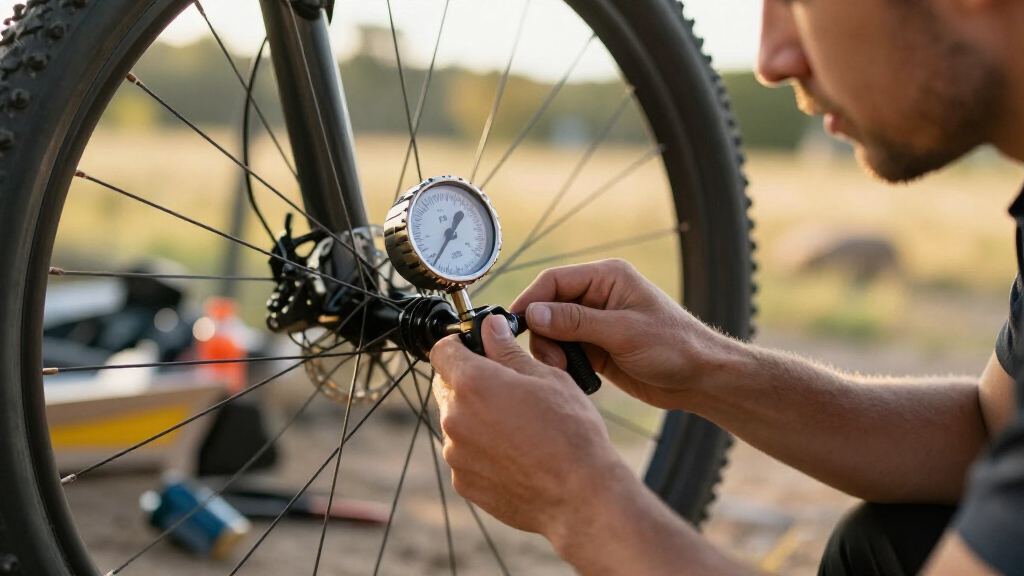
The products in this roundup were evaluated primarily on accuracy, build quality, user interface, and versatility. We prioritized tools that provide consistent tension readings across different spoke types and wheel sizes, since precision is key in wheel building. Ease of calibration and durability also factored into rankings, ensuring the tools can withstand regular use without losing accuracy. Price was considered relative to performance, helping identify options that offer the best value. Finally, we included a range of digital and analog models to suit different budgets and expertise levels, making the list relevant for both beginners and seasoned wheel builders.| spoke tension meter for wheel building | Material |
|---|---|
| Bicycle Spoke Tension Meter Me | Aluminum alloy |
| QWORK Bicycle Spoke Tension Me | Aluminum alloy |
| Bicycle Spoke Tension Meter Me | Aluminum alloy |
| Bicycle Spoke Tension Meter fo | Aluminum alloy |
| Tookie Spoke Tension Meter | Aluminum alloy |
| NINEFOX Bicycle Spoke Tension | Aluminum |
| Park Tool TM-1 Spoke Tension M | — |
| Saycker 13-Piece Bike Spoke To | Aluminum alloy and stainless steel |
| Bike Spoke Tension Meter for R | Aluminum alloy |
| DT Swiss Tensiometer Analogue | — |
| Bicycle Spoke Tension Meter Al | Aluminum alloy |
| Bicycle Spoke Tension Meter | Aluminum alloy |
| Bicycle Spoke Tension Meter | Aluminum alloy |
Factors to Consider When Choosing Spoke Tension Meter For Wheel Building
Selecting the right spoke tension meter involves understanding several key factors. The tool you choose should match your skill level, budget, and the level of precision you need. Beyond basic functionality, consider how easy it is to calibrate and maintain the device, as well as its compatibility with different wheel sizes and spoke types. A well-chosen tension meter can significantly improve wheel quality, but a poor fit can lead to inaccurate measurements and wheel failure. Here are essential factors to keep in mind when making your decision.Accuracy and Calibration
The primary purpose of a tension meter is to provide accurate, repeatable measurements. A high-quality tool maintains calibration over time and across different spoke diameters. Digital meters often provide more precise readings, but they require periodic calibration and careful handling. Analog models, especially well-made ones, can be just as reliable if calibrated correctly, and they tend to be more durable and easier to repair. Investing in a device with clear calibration procedures and stable readings helps avoid costly wheel failures down the line.
Build Quality and Durability
Wheel building involves repeated stress on your tension meter, so durability matters. Look for models with sturdy materials like aluminum or high-grade plastics that resist wear and impact. A well-constructed tensioning mechanism ensures consistent measurements over many uses, reducing the risk of drift or inaccuracies. Cheaper models may feel flimsy or exhibit inconsistent results after a few uses, which can undermine your wheel’s integrity. Durability is especially important if you plan to build wheels regularly or professionally.
Ease of Use and Ergonomics
An intuitive interface, clear readings, and simple calibration are vital for effective use. Digital meters with backlit displays and straightforward controls are advantageous, especially for beginners. Analog models should have a smooth, responsive tensioning knob and easy-to-read scales. Consider whether the device is comfortable to hold and whether it fits into your workflow without adding unnecessary complexity. A tool that integrates seamlessly into your process reduces errors and speeds up wheel building.
Compatibility and Versatility
Make sure the tension meter can handle the range of spoke tensions typical of your projects. Some meters are optimized for specific wheel sizes or spoke types, such as bladed or round spokes. Multi-spoke measurement features can save time during wheel truing, especially on larger wheels. Additionally, check if the tool can measure tension across different spoke gauges without recalibration or adjustment. Versatile tools provide more value over time, accommodating various wheel builds and rider needs.
Price and Value
Prices vary significantly, from budget models to high-end digital tools. While cheaper meters can suffice for hobbyists, they might lack precision or durability needed for professional work. More expensive options often deliver better accuracy, consistency, and build quality, but the added cost isn’t justified if your needs are basic. Consider how often you’ll use the tool and whether investing in a premium model aligns with your wheel building goals. Balance cost against expected performance to find the best value for your situation.
Frequently Asked Questions
Can I use a digital tension meter for all spoke sizes?
Most digital tension meters are designed to accommodate a range of spoke sizes, but it’s important to verify their specifications. Some models may require calibration or adjustments for very small or large diameter spokes. Using a tension meter outside its recommended range can lead to inaccurate readings, which affects wheel strength and durability. If you frequently work with different spoke types, look for a versatile model that explicitly states its compatibility across various sizes and materials.
Is a more expensive tension meter worth the investment?
Higher-priced tension meters typically offer greater accuracy, durability, and ease of use, making them valuable for professional or frequent wheel builders. If you’re a hobbyist or only building a few wheels per year, a mid-range or budget model may suffice, but it might lack some precision. Consider your level of expertise and how critical exact tension is for your projects. Investing in a quality tool can save time and reduce wheel failures, which often justifies the higher initial cost.
How often should I calibrate my tension meter?
Calibration frequency depends on how often you use the tool and the environment in which it’s stored. For regular use, calibrating every few months or after a certain number of uses is advisable to maintain accuracy. Digital models usually have calibration procedures outlined in the manual, while analog models may require checking against a known tension standard. Regular calibration prevents measurement drift and ensures your wheels are built to the correct tension, avoiding potential failures down the line.
Can I build high-quality wheels without a tension meter?
While it’s possible to build wheels without a tension meter using experience and subjective feel, it’s much more challenging to achieve consistent results. A tension meter provides objective, repeatable measurements, which are especially important for high-performance or safety-critical wheels. Beginners may find it difficult to judge tension accurately by feel alone, increasing the risk of weak or uneven wheels. For reliable, professional-quality builds, a tension meter is a valuable investment.
What features should I prioritize if I am new to wheel building?
If you’re just starting out, look for a tension meter that is simple to use, with clear readings and easy calibration. Digital models with backlit displays and straightforward controls tend to be more user-friendly. Durability and a comfortable grip also matter, as you’ll likely be handling the tool frequently. While high precision is desirable, a reliable, easy-to-use model that offers consistent results will help you develop good building habits and achieve better wheel quality early on.
Conclusion
For most casual or hobbyist wheel builders, the Park Tool TM-1 offers a balanced mix of accuracy, durability, and ease of use, making it the best overall choice. The QWORK Bicycle Spoke Tension Meter provides excellent value for those on a budget, though it may lack some advanced features. For professionals or serious enthusiasts, investing in the DT Swiss Tensiometer ensures high precision, ideal for fine-tuning high-performance wheels. Beginners should prioritize models that are simple and intuitive, like digital meters with clear displays, to develop confidence in their wheel building skills. Ultimately, selecting the right tension meter depends on your experience level, frequency of use, and specific wheel building needs.
Flea & tick season Picks
flea and tick prevention
As an affiliate, we earn on qualifying purchases.