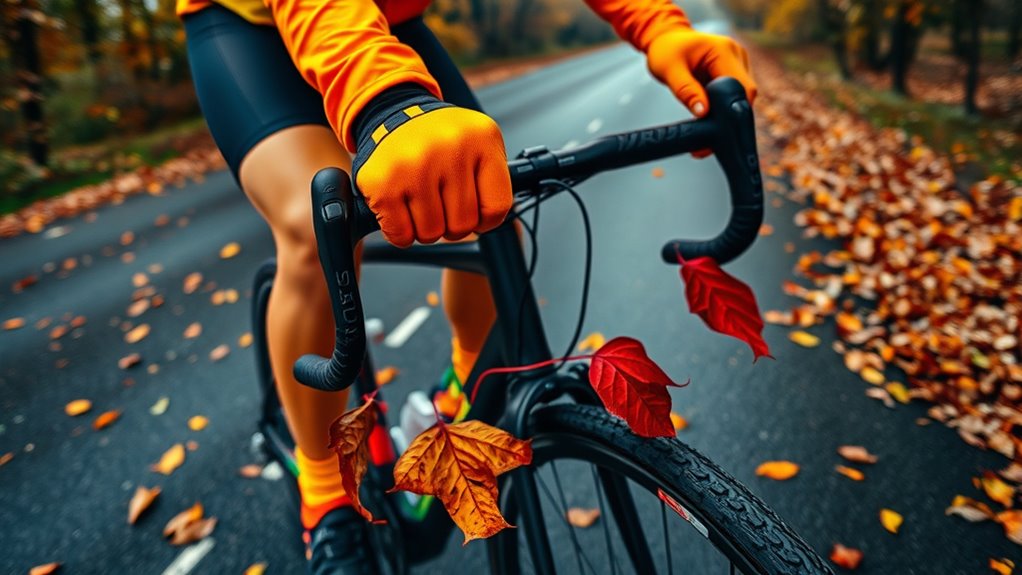

To fall-proof your commute, focus on maintaining good grip by ensuring your tires are properly inflated and suited for winter conditions, like snow tires if necessary. Drive with gentle acceleration and braking, especially on damp or leaf-covered roads, and always keep a safe distance from other vehicles. Traction control systems can help, but your cautious driving, proper tire care, and smooth braking are key. Keep these tips in mind, and you’ll better handle the challenges of fall driving.
Key Takeaways
- Regularly inspect and maintain tires, ensuring proper inflation and tread depth for optimal grip on wet or leaf-covered roads.
- Use winter or all-season tires designed for fall conditions to improve traction and stability.
- Activate and verify the functionality of your vehicle’s traction control system to prevent wheel spin.
- Brake gradually and steadily, maintaining a safe following distance to reduce skidding risk in slick conditions.
- Steer gently into slides and avoid abrupt movements to maintain control during slippery fall driving environments.
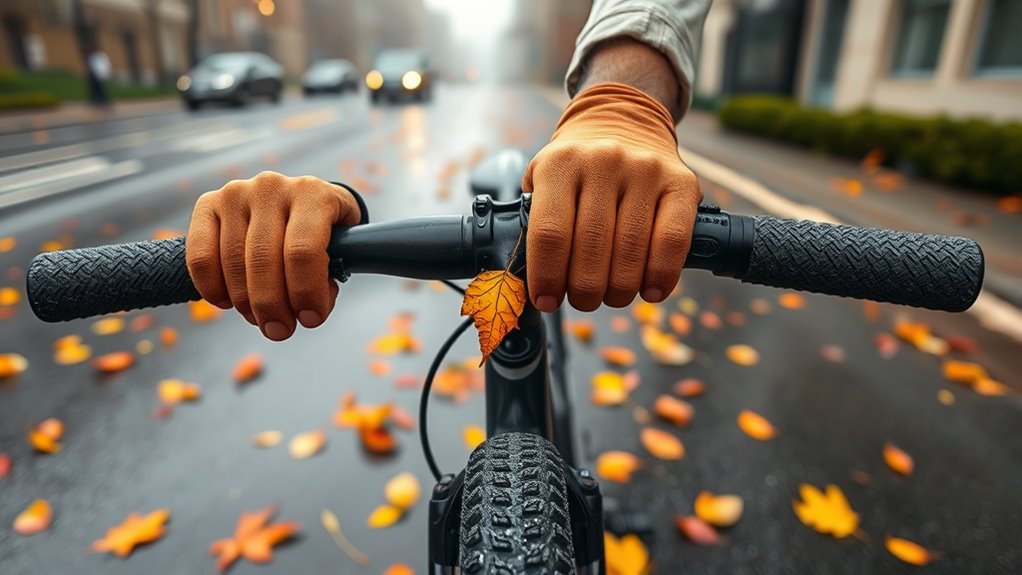
As the seasons change and leaves blanket the ground, it’s important to adjust your daily commute to stay safe. Fall brings cooler temperatures and damp conditions that can make driving more hazardous, especially when it comes to grip and control. One of the first things you should focus on is your vehicle’s traction control system. Modern cars often come equipped with traction control features that help prevent wheel spin on slick surfaces. Make sure yours is functioning properly by consulting your owner’s manual or having a mechanic inspect it. When driving in fall conditions, traction control can be a essential tool for maintaining stability, especially during acceleration or when navigating curves.
Equally important is tire maintenance. As temperatures drop, tire pressure tends to decrease, reducing your tires’ ability to grip the road. Regularly check your tire pressure and inflate them to the manufacturer’s recommended levels. Properly inflated tires provide better contact with the road, improving traction and braking response. Inspect your tires for signs of wear, such as uneven tread or cracks, which can decrease traction and increase the risk of a blowout. Consider switching to winter tires if your area experiences consistent cold and wet conditions. These tires have deeper treads and special rubber compounds designed to improve grip on slippery surfaces, giving you added confidence during fall driving.
Beyond vehicle preparations, your braking technique plays a essential role in fall safety. Always maintain a safe following distance, especially on wet or leaf-covered roads, where stopping distances increase. When you need to brake, do so gradually and steadily rather than slamming on the pedal, which can cause skidding or loss of control. If your vehicle begins to slide, steer gently into the skid and avoid abrupt movements. Recognize that braking efficiency depends heavily on your tires’ grip, which is why tire maintenance and traction control are so essential.
Frequently Asked Questions
How Often Should I Replace My Bike Tires for Optimal Safety?
You should replace your bike tires when the tire tread wears down to the wear indicators or if you notice cracks, cuts, or embedded debris. Generally, follow a replacement schedule of every 2,000 to 3,000 miles, but always check your tires regularly. Staying vigilant guarantees ideal safety, providing better grip and preventing flats. Trust your eyes and feel to determine when it’s time for a fresh set for a safer, smoother ride.
What Are the Best Footwear Options for Winter Commuting?
For winter commuting, choose traction footwear like boots with rubber soles that grip icy surfaces. Waterproof shoes are essential to keep your feet dry and warm, preventing slips and discomfort. Look for footwear with deep treads and non-slip soles designed specifically for winter conditions. These options give you better stability and confidence on slippery paths, ensuring a safer, more comfortable ride regardless of the weather.
How Can I Improve My Balance During Slippery Rides?
Imagine you’re a modern-day knight, and balance exercises are your armor. To improve your stability during slippery rides, focus on maintaining a proper riding posture—keep your core engaged and distribute your weight evenly. Practice balance exercises regularly to boost your core strength, which helps you stay steady on slick surfaces. Adjust your stance if needed, and stay relaxed to better react to sudden slips, making your commute safer and more confident.
Are There Specific Bike Models Better Suited for Winter Conditions?
Yes, you should consider bikes designed for winter riding, like fat bikes with wide tires for better traction. Look for models with durable frames and clearance for winter gear such as fenders and racks. Regular bike maintenance becomes essential in winter—check tire pressure and brake function often. Choosing a bike suited for winter conditions helps you stay safe and comfortable, even in snow and icy roads.
What Emergency Techniques Should I Practice for Icy Situations?
When riding on ice, practice emergency braking carefully to maintain control and avoid slipping. Focus on smooth, gradual pressure rather than sudden stops, and use your rear brake more than the front to prevent skidding. Remember ice safety tips, like reducing speed and staying alert to changing conditions. Regularly practicing emergency techniques helps you react swiftly, keeping you safe during icy situations. Stay cautious and ride with confidence.
Conclusion
By paying attention to your grip, choosing the right tires, and mastering your braking technique, you can make your commute safer this fall. Think of it like steering a boat through choppy waters—you want steady hands and a firm grip to stay afloat. Fall may bring slippery surprises, but with these tips, you’ll navigate your journey confidently and safely, like a skilled sailor guiding their vessel through unpredictable waves. Stay cautious, stay safe, and enjoy the season ahead.