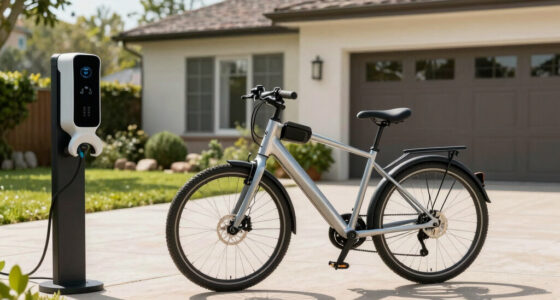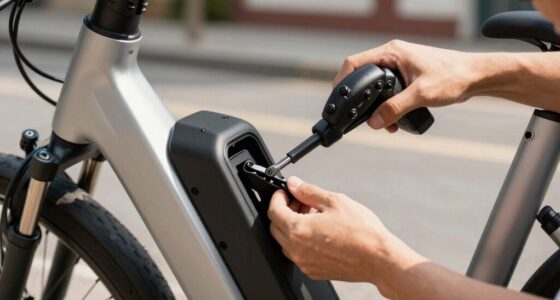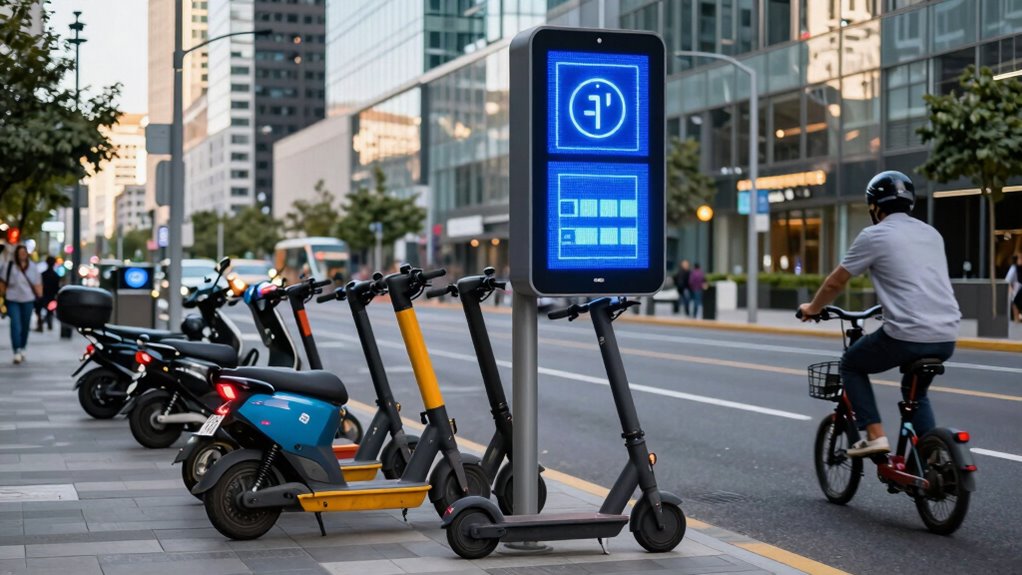
Cities use speed limits combined with geofencing to control e-bikes and scooters, ensuring safety and better traffic flow. As you ride, these systems automatically adjust your device’s speed when entering specific zones, like parks or busy streets. This technology prevents reckless riding and protects pedestrians. It also helps manage urban traffic efficiently. By understanding how these controls work, you’ll see how cities are making shared mobility safer and smarter—exploring these details further reveals even more benefits.

Get bike and ride gear delivered free — and shop member deals
- Fast, free delivery on millions of items
- Access to Prime Big Deal Days deals on October 6–7
- Prime Video, Amazon Music and more included
Key Takeaways
- Cities use geofencing technology to automatically adjust e-bike and scooter speeds in designated zones.
- Speed limits are enforced through GPS-based controls that activate when entering sensitive or crowded areas.
- Geofencing ensures devices reduce speeds in specific zones, enhancing pedestrian safety and urban traffic flow.
- Real-time communication between devices and control servers manages speed restrictions based on location, time, or user behavior.
- Privacy measures, like data anonymization and security protocols, ensure user location data is protected while enforcing regulations.
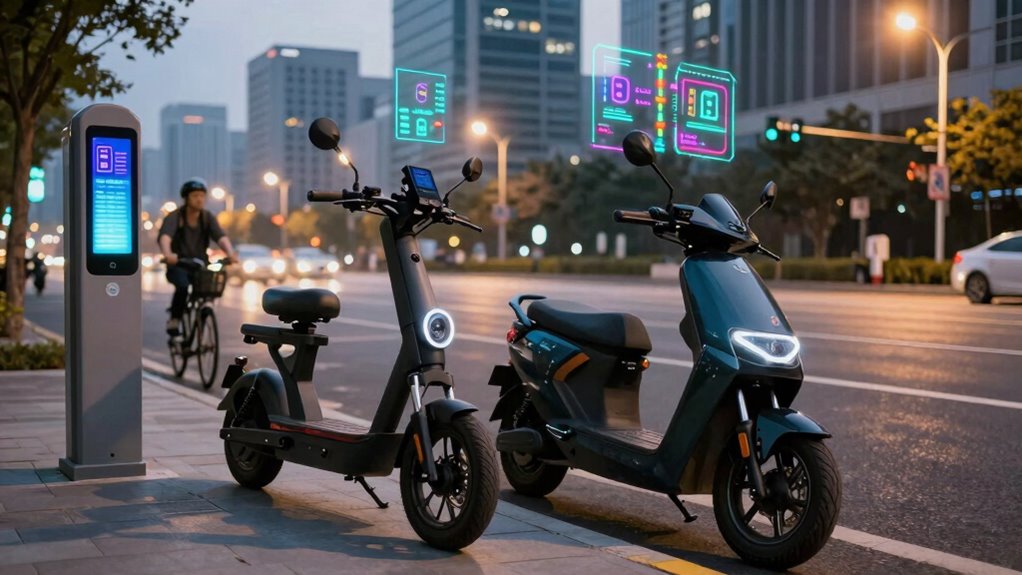
As technology advances, managing vehicle speeds has become more precise and effective through the use of speed limits combined with geofencing. For you, this means that cities can better control where and how e-bikes and scooters operate, enhancing safety and efficiency. When these devices enter designated zones, geofencing automatically adjusts their speed limits, preventing reckless riding in sensitive areas like parks or crowded streets. This system not only keeps pedestrians safe but also guarantees that e-bikes and scooters don’t exceed safe speeds, making urban travel smoother and more predictable. Additionally, integrating navigation and mapping explainers helps users understand how their routes are managed and optimized within these systems. However, as these systems become more sophisticated, concerns about battery optimization and user privacy arise. Speed limit adjustments via geofencing require constant communication between your device and central servers. This process can drain your e-bike or scooter’s battery faster if not managed properly, potentially reducing your ride time. Developers are working on optimizing algorithms to minimize this impact, so your vehicle’s battery can last longer without sacrificing the benefits of dynamic speed control. Efficient data processing means fewer energy-consuming transmissions, which preserves your device’s battery life and keeps you riding longer. User privacy also plays a vital role in this technology. As geofencing relies on location data to enforce speed limits, your movements are continuously tracked and transmitted. This raises questions about who has access to this data and how it’s protected. Responsible implementations ensure that your location information remains secure and is used solely for the purpose of enforcing speed regulations. Many cities and companies anonymize data to prevent personal identification, giving you peace of mind that your privacy is respected. Transparency about data collection and strict security protocols help build trust and ensure that your riding experience is safe and private. Ultimately, the integration of speed limits and geofencing offers a smarter way to manage e-bike and scooter traffic. It allows city authorities to tailor restrictions based on location, time, or user behavior, while you benefit from safer, more reliable rides. The ongoing focus on battery optimization guarantees that these systems won’t drain your device unnecessarily, and robust privacy measures ensure your personal data stays protected. As these technologies continue to evolve, you’ll find that urban mobility becomes more regulated, secure, and efficient—making your daily commutes and leisure trips more enjoyable and stress-free.
Frequently Asked Questions
How Do E-Bike Speed Limits Vary Between Cities?
You’ll find that e-bike speed limits vary between cities due to manufacturer regulations and local policies. Some cities set strict caps, like 15 mph, while others allow up to 20 or more. As a rider, you need to observe these limits to stay compliant, since local laws enforce these restrictions through geofencing. Your adherence to speed limits helps ensure safety and avoids fines or penalties.
Can Riders Bypass Geofencing Restrictions Legally?
You shouldn’t bypass geofencing restrictions, as doing so can compromise rider safety and violate local laws. While some might look for legal loopholes, it’s risky and could lead to fines or liability if accidents happen. Bypassing restrictions threatens safety by increasing speeds where it’s unsafe, and cities enforce these limits to protect everyone. Stay compliant, respect local rules, and prioritize safety to avoid legal issues and ensure a secure riding experience.
What Penalties Exist for Violating Speed Limits?
When you push the boundaries of speed, you might find yourself caught in a web of consequences. Violating speed limits can lead to hefty speeding fines that pinch your wallet and, in serious cases, license suspensions that dim your mobility. It’s like sailing through calm waters—stay within limits, and you avoid the storms of penalties. Play it safe, and your journey remains smooth and worry-free.
How Are Geofencing Zones Updated or Changed?
You can update or change geofencing zones using the software provided by your service provider. They typically use geofencing software to modify zone boundaries, which involves zone update procedures like uploading new maps or coordinates. These updates can happen remotely and instantly, allowing cities to adjust zones as needed—whether to expand, restrict, or modify e-bike and scooter access areas—ensuring better control and safety.
Do Geofencing and Speed Limits Affect All E-Scooters Equally?
You might think all e-scooters are affected equally, but that’s not the case. Speed limits and geofencing vary depending on helmet laws and rider demographics, so some scooters are restricted more than others. Cities tweak settings to keep safety in check, but it’s not a one-size-fits-all. You’ll find different experiences based on your location and local rules, so always stay alert and ride responsibly.
Conclusion
By using speed limits and geofencing, cities can effectively control e‑bikes and scooters, much like a conductor guiding an orchestra. These tools help keep everyone safe and ensure shared streets stay organized. As technology becomes more advanced, you’ll notice how these systems act like invisible hands, gently steering e‑vehicles away from trouble spots. Ultimately, they create a safer, more harmonious urban environment—like a well-choreographed dance in the city’s busy rhythm.
Fall Picks
fall essentials
As an affiliate, we earn on qualifying purchases.