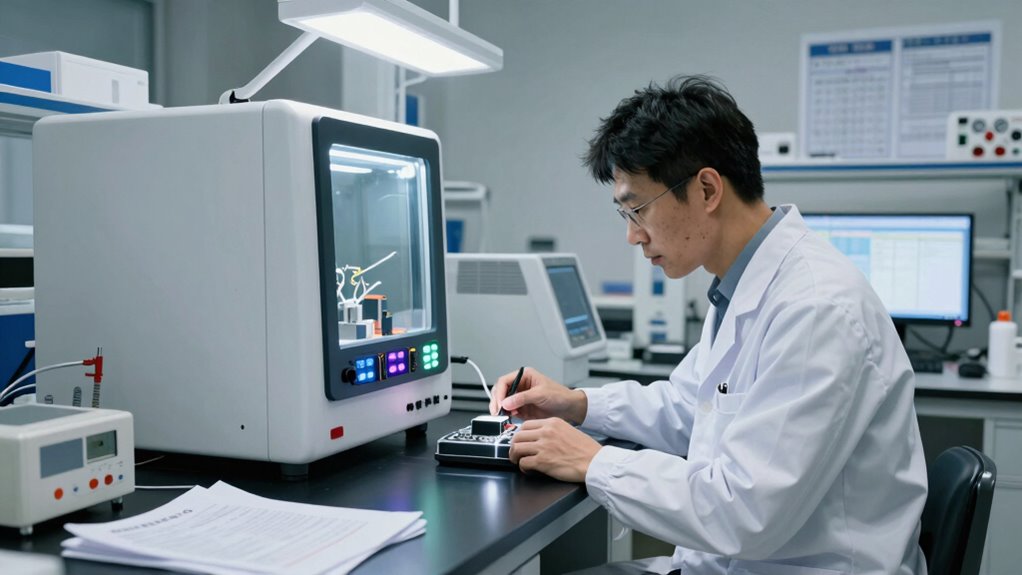

Product testing checks if your product meets quality, safety, and performance standards through various procedures, acting as a health check for flaws or risks. Certification, on the other hand, provides official proof that your product complies with regulations, granting authority to sell it legally. While testing verifies technical qualities, certification confirms regulatory approval. Understanding these differences helps you guarantee your product is both reliable and market-ready—exploring further will give you a clearer picture of how to succeed.
Key Takeaways
- Testing assesses if a product meets quality, safety, and performance standards; certification confirms compliance with regulatory requirements.
- Testing is a technical evaluation; certification provides an official approval for legal market access.
- Testing is usually a one-time process; certification often involves ongoing audits or documentation review.
- Testing identifies flaws early, helping refine products; certification demonstrates adherence to laws and regulations.
- Both ensure product reliability and safety but serve different roles in the product approval process.

When bringing a product to market, understanding the difference between testing and certification is essential. These two processes play critical roles in guaranteeing your product meets the necessary quality standards and regulatory compliance. Testing is the initial step where you evaluate your product’s properties, performance, and safety through various procedures. It’s like a health check that verifies whether your product functions as intended and adheres to specific standards. This process helps identify any flaws or risks, giving you the chance to make improvements before moving forward. Testing is usually conducted by laboratories or in-house teams, focusing on technical specifications and compliance with industry benchmarks. It’s an important part of making certain that your product consistently meets quality standards, which ultimately builds trust with your customers. Ensuring thorough product testing procedures can prevent costly recalls and reputation damage down the line. Additionally, thorough testing often involves verifying adherence to industry benchmarks and standards that are crucial for market acceptance. Proper testing also helps you understand the performance characteristics of your product, which is vital for refining its design and functionality.
Product certification, on the other hand, is the formal confirmation that your product complies with all relevant regulations and standards. Think of certification as a stamp of approval that proves your product is safe, reliable, and legal to sell in certain markets. Unlike testing, which is often a one-time evaluation, certification involves an official process that may require you to submit documentation, undergo audits, or pass specific tests. Certification gives your product a recognized mark or label, indicating it has met the necessary regulatory requirements. This process not only reassures consumers but also helps you avoid legal penalties or market restrictions. Certification can be pivotal for products in highly regulated industries, such as electronics, toys, or medical devices, where compliance with stringent standards is mandatory.
In essence, testing is about evaluating and verifying that your product meets quality standards and safety criteria through technical evaluations. Certification builds on that foundation, providing official recognition that your product complies with applicable regulations. Both are essential steps in the product development cycle, but they serve different purposes. Testing helps you catch potential issues early, making sure your product is up to standard. Certification, meanwhile, enables you to legally sell your product and demonstrate compliance to authorities and consumers. Recognizing this difference ensures you approach each phase properly, streamlining your path to market. By prioritizing both rigorous testing and proper certification, you safeguard your brand’s reputation and foster consumer confidence.

Tree Enterprises’ Emergency/Safety Shower Tester Kit Complete with Funnel, Handle, and Pail Use to Test/Flush Safety Showers in Industrial, Manufacturing, and/or Laboratory Settings
[PRODUCT COMPONENTS] – Plastic 5 Gallon bucket, PVC pipes and connectors, metal ring, vinyl funnel, instructions
As an affiliate, we earn on qualifying purchases.
As an affiliate, we earn on qualifying purchases.
Frequently Asked Questions
How Long Does the Certification Process Typically Take?
The certification process typically takes anywhere from a few weeks to several months, depending on the product and testing procedures involved. Factors influencing certification timelines include the complexity of testing, the completeness of your documentation, and the responsiveness of testing labs. You can speed things up by preparing thoroughly, ensuring all testing requirements are met, and maintaining clear communication with certifying bodies throughout the process.
Are There International Standards for Product Testing?
A stitch in time saves nine, and yes, there are international standards for product testing. You’ll find global compliance guidelines from organizations like ISO and IEC, which guarantee testing accuracy across borders. These standards help manufacturers meet international requirements, streamline approval processes, and ensure safety and quality. By adhering to these universally accepted benchmarks, you can confidently navigate global markets, knowing your products are tested and certified to meet international expectations.
Who Bears the Costs of Testing and Certification?
You typically bear the costs of testing and certification, including certification fees and related expenses. The cost implications vary depending on the product, testing scope, and certification body involved. Sometimes, manufacturers cover these costs upfront, especially if required for market access. In other cases, clients or importers may shoulder expenses. It’s important to allocate funds for these costs early to guarantee smooth certification processes and compliance with international standards.
Can a Product Be Tested Without Certification?
Testing your product is like checking the engine before a race—you can do it without a badge of certification. Yes, you can test your product without certification, but it won’t guarantee product safety or regulatory compliance. Testing alone helps identify issues, yet certification officially confirms your product meets industry standards. For market entry and consumer trust, certification is essential, but testing remains a crucial step in ensuring overall product safety.
What Are Common Reasons for Certification Rejection?
You might face certification rejection due to compliance challenges or lapses in quality assurance. If your product doesn’t meet specific standards or regulatory requirements, authorities reject the certification. Inconsistent manufacturing processes or inadequate testing can also cause issues. To avoid rejection, guarantee your product adheres to all relevant standards, maintains high quality, and passes thorough testing. Proper documentation and preparation can greatly improve your chances of successful certification.
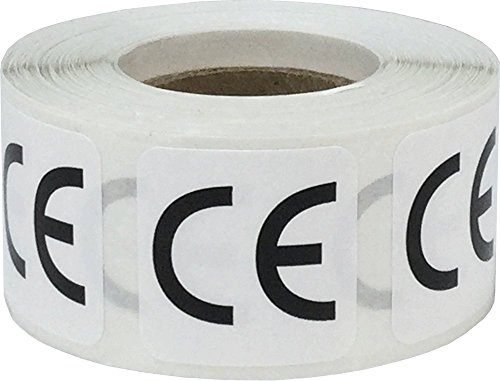
European Conformity CE Labels, 1 Inch Square Adhesive Compliance Stickers, 500 CE Mark Labels Per Roll for Product Certification, Electronics, Manufacturing, and Equipment – Made in the USA
CE Mark Labels for Compliance Identification: These square labels display the European Conformity CE symbol, helping identify products…
As an affiliate, we earn on qualifying purchases.
As an affiliate, we earn on qualifying purchases.
Conclusion
So, now that you know the difference, it’s amusing how many assume testing and certification are the same. One’s like a quick check-up, while the other’s a full-blown medical exam—both important, yet worlds apart. Don’t be the person who skips the details, thinking they’re interchangeable. After all, in the world of products, you’d rather be safe than sorry—unless you enjoy surprises, like faulty gadgets or safety hazards. Stay informed and choose wisely!
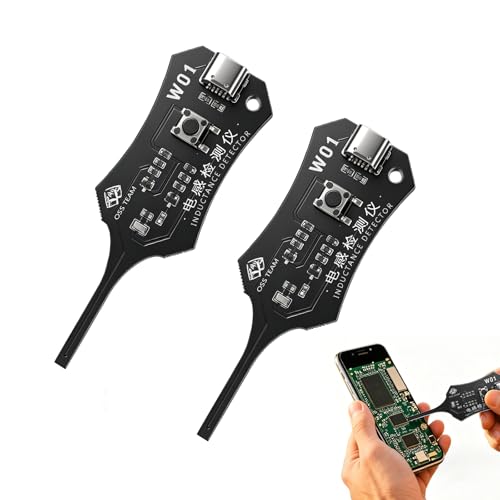
2Pcs Inductance Tester, Type-C Powered High Precision Mainboard Coil Testing Tool, Quick Fault Check Inductor Tester for Mobile Phone Electronic Components
Live-Circuit Testing:Just hold the sensor tip against any inductor on the board—no soldering or part removal needed. A…
As an affiliate, we earn on qualifying purchases.
As an affiliate, we earn on qualifying purchases.

SmartSign Think Safety First Pack of 5 Hard Hat Labels | Retro-Reflective, 2" Circle
REFLECTIVE. Reflective labels are made from prismatic material and offer superior reflective angularity. Make sure everyone can spot…
As an affiliate, we earn on qualifying purchases.
As an affiliate, we earn on qualifying purchases.