To achieve smooth power delivery on your scooter, focus on high-quality controllers and throttles designed for precise, responsive acceleration. These components work together to interpret your input accurately, preventing jerky starts or abrupt jumps. Proper hardware integration not only enhances rider comfort but also improves battery efficiency and safety through protective features. If you want to discover how the right setup can transform your ride and guarantee consistent performance, keep exploring these essential parts further.
Key Takeaways
- High-quality controllers ensure immediate, smooth acceleration by accurately interpreting throttle input.
- Proper hardware integration prevents jerky responses, providing consistent power delivery during rides.
- Adaptive controllers optimize energy flow, balancing torque with battery conservation for seamless performance.
- Built-in protective features like overcurrent and thermal protection enhance reliability and prevent abrupt power fluctuations.
- Precise hardware calibration maintains natural acceleration curves, ensuring rider confidence and safe navigation.
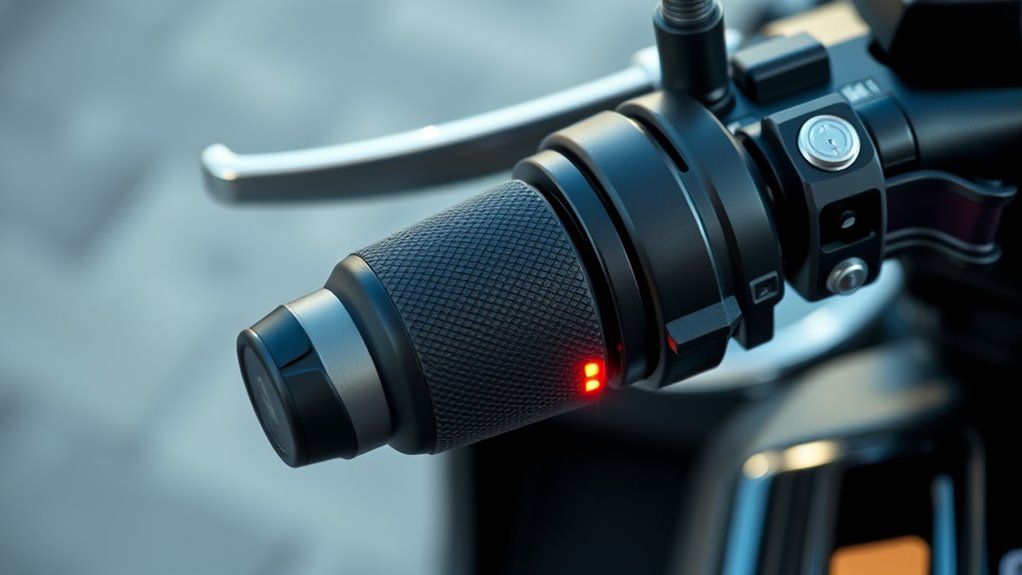
Scooter controllers and throttles are essential components that directly affect your riding experience. They act as the brain and accelerator of your scooter, managing how power is delivered from the battery to the motor. When these parts work well together, you enjoy smooth acceleration, responsive control, and optimal battery efficiency. If they’re poorly integrated or malfunctioning, your ride can feel jerky, unpredictable, or less efficient, draining your battery faster and diminishing your overall experience. That’s why understanding the importance of hardware integration and how it influences battery efficiency is key to maintaining a reliable, enjoyable ride.
A well-designed scooter controller seamlessly communicates with the throttle, ensuring that your input translates into precise motor responses. This hardware integration is crucial because it allows for smooth power delivery, avoiding sudden surges or dips that can make riding uncomfortable or even unsafe. When your controller and throttle are properly calibrated, they work together to provide a natural acceleration curve, giving you better control over speed and braking. This not only improves ride comfort but also extends your battery life. Efficient hardware integration reduces unnecessary power waste by accurately modulating energy flow, which means your scooter can travel further on a single charge.
Battery efficiency hinges heavily on how well your controller manages power. A high-quality controller monitors and adjusts the current supplied to the motor based on your throttle input, ensuring you get the right amount of torque without overtaxing the battery. If the controller is overly aggressive or not finely tuned, it can cause rapid battery drain, forcing you to recharge more often. Conversely, a controller with smart, responsive hardware integration adapts to your riding style, optimizing power use and preserving battery health over time. This balance between power delivery and conservation is what makes a scooter feel responsive yet energy-efficient, giving you maximum range and performance.
Efficient controller management maximizes battery life and enhances ride performance through smart power regulation.
Good hardware integration also means that your throttle responds predictably and consistently. When you twist the throttle, you want immediate, smooth acceleration—not abrupt jumps or delays. High-quality controllers interpret your input precisely, translating it into proportional motor responses. This consistency fosters confidence, especially when navigating traffic or tricky terrain. Moreover, integrated hardware often includes protective features like overcurrent and thermal protection, which safeguard your scooter’s components and ensure longevity. The result is a more reliable, safer ride, with fewer worries about hardware failures or battery issues stemming from poor power management.

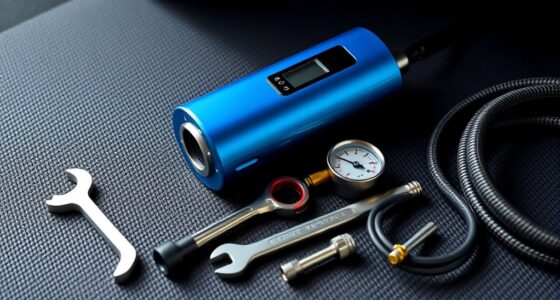
Ezweiji 36V/48V 350W Brushless Motor Controller with LCD Panel, Waterproof Sine Wave Controller, Aluminum Housing Replacement Part for Electric Bicycle Maintenance and Repair
🛠️ Essential Maintenance Part: Designed as a reliable replacement component for damaged or faulty 36V/48V 350W systems. This…
As an affiliate, we earn on qualifying purchases.
As an affiliate, we earn on qualifying purchases.
Frequently Asked Questions
How Do I Troubleshoot Controller or Throttle Malfunctions?
To troubleshoot controller or throttle malfunctions, start by checking battery compatibility to make sure your power source matches the system requirements. Next, perform wiring troubleshooting by inspecting all connections for looseness, corrosion, or damage. Test the throttle and controller with a multimeter to verify signals are transmitted correctly. If issues persist, consider replacing faulty components, but always confirm wiring and battery compatibility first to avoid further problems.
Can I Upgrade My Scooter’s Controller for Better Performance?
Yes, you can upgrade your scooter’s controller for better performance, but you need to verify controller compatibility first. Upgrading benefits include smoother power delivery, increased speed, and improved acceleration. Make sure the new controller matches your motor’s voltage and current specifications to avoid damage. With the right upgrade, you’ll enjoy a more responsive ride. Just ensure compatibility to maximize performance and safety.
What Safety Features Are Integrated Into Modern Controllers?
Modern controllers include safety features like overload protection, short circuit prevention, and temperature monitoring, ensuring your ride stays safe. These controllers also consider battery capacity and motor compatibility, automatically adjusting power to prevent damage. By integrating these features, they help you avoid crashes or breakdowns, making your scooter safer and more reliable. You can enjoy a smoother ride, knowing that your controller actively safeguards your scooter’s components and your safety.
How Does Environmental Temperature Affect Controller Performance?
Imagine your scooter controller as a resilient guardian, standing firm against nature’s elements. When temperatures rise or fall, temperature effects can cause it to falter, impacting environmental durability and performance. Cold weather might slow responses, while heat can lead to overheating. To keep it reliable, modern controllers are designed to adapt, ensuring smooth power delivery regardless of environmental changes, protecting your ride and maintaining peak performance in all conditions.
Are There Universal Controllers Compatible With Multiple Scooter Models?
Yes, there are universal controllers designed for multiple scooter models. These controllers offer universal compatibility, allowing you to use them across different brands and types. They also support controller customization, letting you tweak settings for smooth power delivery tailored to your riding style. Keep in mind, though, verifying compatibility with your specific scooter before installation guarantees peak performance and avoids potential issues.

Yungeln Throttle Accelerator Electric Scooter Thumb Throttle Replacement Compatible with GOTRAX GXL V2 Scooter Finger Thumb Speed Throttle Replacement Accessories
Durable Design — Throttle accelerator constructed of high quality ABS plastic for longevity a waterproof plug is used…
As an affiliate, we earn on qualifying purchases.
As an affiliate, we earn on qualifying purchases.
Conclusion
With the right scooter controller and throttle in hand, you’re steering your ride into a world of silky-smooth power, like a gentle stream flowing effortlessly over stones. When you fine-tune these components, you’re conducting your scooter’s symphony, ensuring every twist of the throttle sings with precision and grace. Ultimately, it’s your mastery that transforms raw energy into a seamless journey—making every ride feel like gliding on glass, effortless and exhilarating.
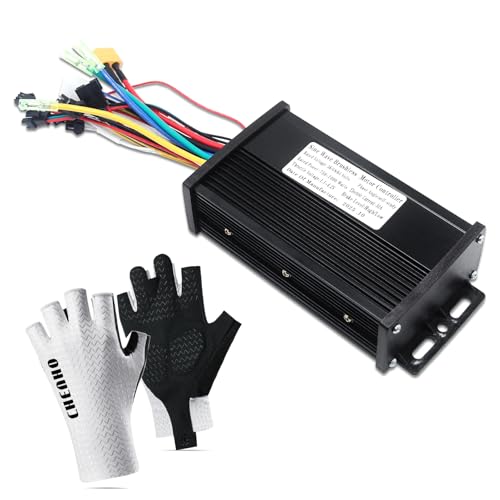
CHENHO Electric Bike Controller 36V/48V/64V 30A 750W/1000W JN Sine Wave Brushless Motor Controller for Ebike Or Scooter Motors for UART No.2 Protocol with Hall-Based Or Sensorless Aluminum Black
750W/1000W EBike Controller: This high-performance ebike controller(and electric scooter motor controller) works seamlessly with 36V/48V/64V systems, including 48V…
As an affiliate, we earn on qualifying purchases.
As an affiliate, we earn on qualifying purchases.
Yungeln Throttle Accelerator Electric Scooter Thumb Throttle Replacement Compatible with GOTRAX GXL V2 Scooter Finger Thumb Speed Throttle Replacement Accessories
Durable Design — Throttle accelerator constructed of high quality ABS plastic for longevity a waterproof plug is used…
As an affiliate, we earn on qualifying purchases.
As an affiliate, we earn on qualifying purchases.