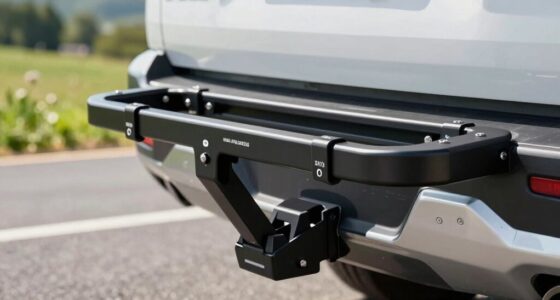
To deter theft during outdoor overnight parking, use the “time and noise” method by deploying visible signals like parking sensors and audible alarms. These tools create a perception of active monitoring, making potential thieves think twice. Bright lights and sound alerts serve as effective deterrents by drawing attention and signaling security efforts. If you want to know how to maximize these measures, keep exploring ways to improve your vehicle’s safety setup.
Key Takeaways
- Visible sensors and alarms signal active monitoring, discouraging potential thieves during overnight outdoor parking.
- Audible beeps and loud alarms quickly attract attention, deterring theft or vandalism at night.
- Combining visual cues with noise creates a stronger perception of security and surveillance.
- Regular testing of sensors and alarms ensures reliable operation and effective deterrence.
- Layered security strategies, including lighting and monitoring, enhance overall protection for parked vehicles.
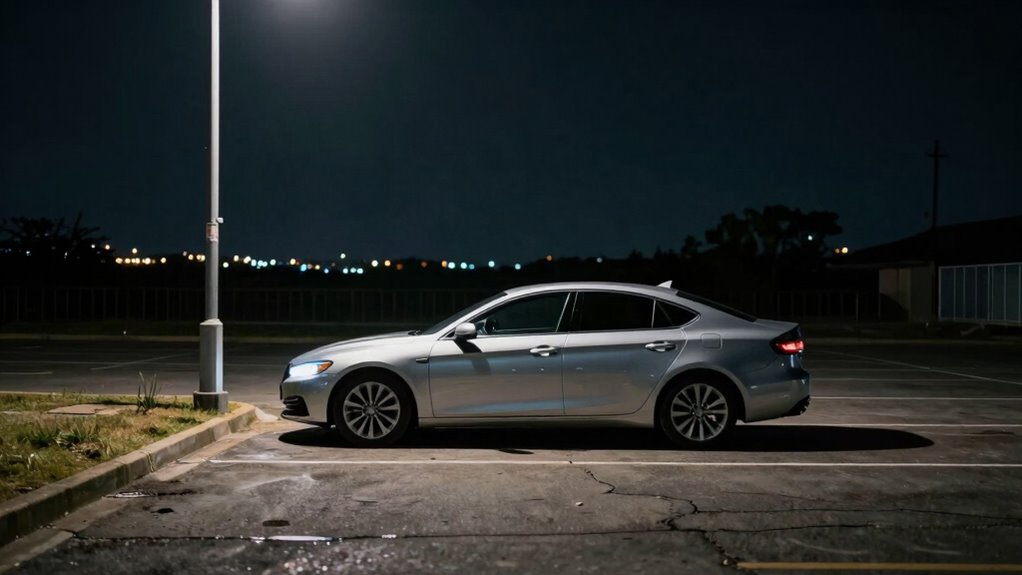
Many travelers and commuters find themselves needing to park overnight outdoors, but it’s important to understand the rules and safety considerations involved. When choosing a parking spot, you should consider how to protect your vehicle from theft or vandalism. One effective method is the “time and noise” theft deterrence technique, which relies on visible signals to discourage potential thieves. This approach involves using devices like parking sensors and vehicle alarms to create an environment that signals your vehicle is monitored or actively protected. Parking sensors are a simple yet powerful tool that can serve as a visual deterrent. When properly installed, they emit audible beeps or vibrations as you approach obstacles or during parking maneuvers. Their presence signals that the vehicle is equipped with modern safety features, making thieves think twice before attempting to tamper with or steal it. While parking sensors are primarily designed to aid in parking, their visibility and the noise they produce can act as a warning to would-be thieves that your vehicle is actively monitored. Vehicle alarms are another essential component of the “time and noise” method. When activated, alarms produce loud sounds that can be heard from a distance, drawing attention to any suspicious activity around your vehicle. This sudden burst of noise can startle a thief or vandal and alert nearby people to suspicious activity, increasing the chances of intervention. Many alarms come with flashing lights or remote notifications, further increasing the deterrent effect. When combined with parking sensors, vehicle alarms create a layered security system that actively signals to potential criminals that your vehicle is protected. The key to this method working effectively is visibility and audibility. You want thieves to see the sensors and hear the alarms, which can make them think your vehicle is under surveillance or monitored by security services. It’s also helpful to park in well-lit, busy areas where these signals are more likely to be noticed. Regularly testing your parking sensors and alarm system ensures they’re functional and ready to act as deterrents. Additionally, understanding security device effectiveness can help you choose the best tools to protect your vehicle.
Frequently Asked Questions
Can This Method Be Combined With Security Cameras Effectively?
Yes, you can combine this method effectively with security cameras. By integrating cameras with your existing system, you get real-time visual evidence, which enhances deterrence. Make sure your cameras are positioned to capture activity during night hours. Additionally, synchronize alarms with camera alerts so that when noise or movement is detected, cameras automatically record and notify you. This integration creates a thorough, multi-layered theft deterrent.
What Are the Legal Considerations for Overnight Parking in Different Areas?
You need to check local parking regulations and property rights before parking overnight in any area. Some zones have strict rules against overnight parking, and parking without permission could lead to fines or towing. Always verify signs and regulations, especially in private lots or public spaces, to avoid legal issues. Respect property rights by seeking permission if required, ensuring your overnight parking stays lawful and hassle-free.
How Does Weather Impact the Effectiveness of This Theft Deterrent?
On a chilly winter night, biting wind and snow can silence your deterrence method, making noise less effective. Weather conditions and seasonal variations impact how well thieves are deterred by time and noise, as stormy or rainy nights might drown out sounds or reduce activity around your vehicle. Warm, clear nights are more effective since the environment encourages more activity, increasing the chance that thieves will be discouraged by your vigilance.
Are There Specific Times When This Method Is Most Effective?
This method works best during peak hours and quiet nights. During peak hours, the noise and activity can make your vehicle seem less vulnerable, while on quiet nights, the lack of activity can make your vehicle a target. By creating visible signs of activity or noise during these times, you increase the chances that potential thieves will be deterred, as they prefer less active, quiet periods to avoid detection.
How Do Thieves Typically Respond to the “Time and Noise” Method?
Thieves often react to the “time and noise” method like startled animals, quickly retreating when they hear disturbances. They tend to increase vigilance or trigger false alarms, thinking someone’s watching. This response aims to intimidate and scare them away before they get close. Your increased vigilance and unexpected noise make them second-guess their plans, reducing theft risks and discouraging repeat attempts altogether.
Conclusion
By embracing the “time and noise” technique, you deter daring thieves and defend your driveway’s peace. Through simple steps like sporadic signals and strategic silence, you make your parked presence less tempting and more trouble. Remember, routine and noise reduce risk, reassuring you and your ride. So stay savvy, stay safe, and consistently create a complex, confusing cue for crooks. With these tactics, your outdoor overnight parking becomes a fortress of safety and serenity.