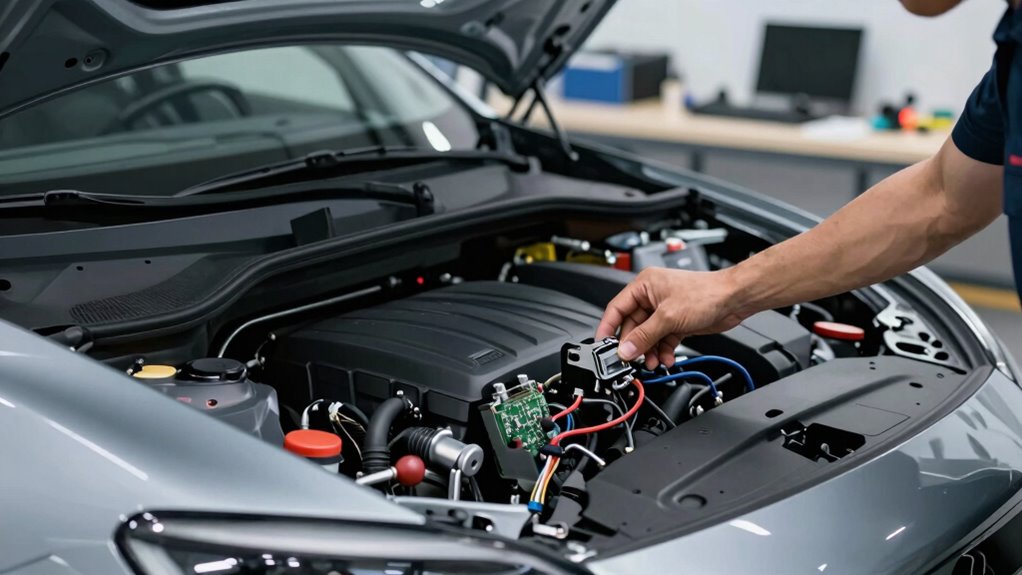

Tampering with speed limiters means modifying, disabling, or bypassing the factory-installed devices that control your vehicle’s maximum speed. This includes using tuning chips, software updates, or physical alterations that allow your car to go faster than legal or manufacturer limits. Such actions often violate laws and regulations, risking fines, license suspensions, and safety hazards. To understand what specific actions qualify as tampering and why it’s risky, keep exploring the details involved.
Key Takeaways
- Disabling or removing the speed limiter software or hardware from a vehicle.
- Using tuning chips or software upgrades to increase maximum speed beyond legal limits.
- Installing aftermarket modifications that override or bypass factory safety and speed regulations.
- Altering vehicle components, such as sensors or electronic control units, to disable speed restrictions.
- Conducting unauthorized modifications that violate local laws or manufacturer guidelines.
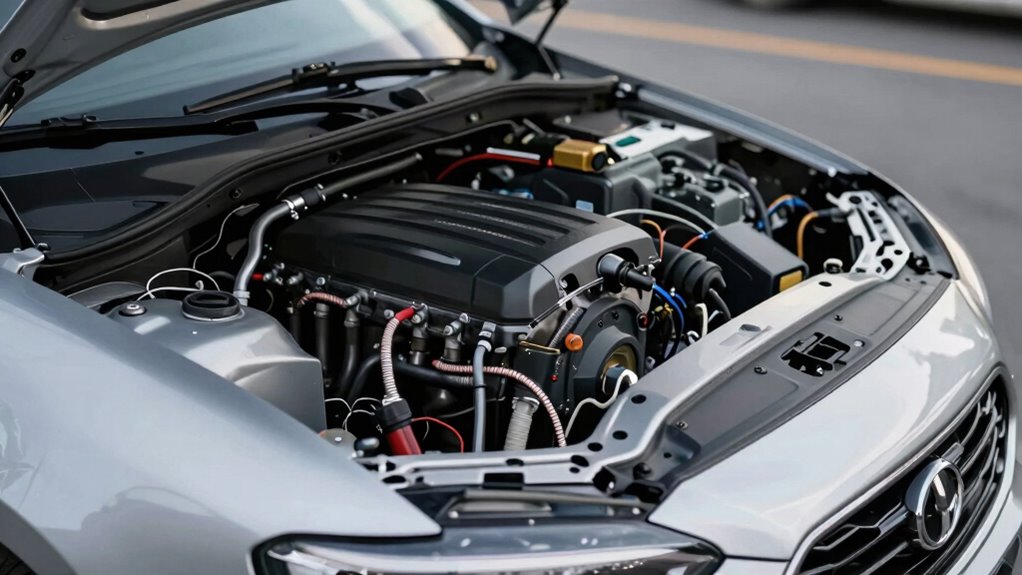
Many drivers don’t realize that tampering with speed limiters is often illegal and can lead to significant fines, penalties, and even the loss of licenses. It also affects insurance coverage — if an accident occurs and it’s found that the vehicle’s speed limiter was disabled, your insurer might deny coverage altogether. It is crucial to understand the legal implications of such modifications before attempting any changes. This is why regulatory compliance is so critical; manufacturers and government authorities set these limits to reduce accidents and save lives. Circumventing these systems not only puts you at risk of legal trouble but can also endanger pedestrians, other drivers, and passengers. regulatory compliance is essential to ensure that modifications remain within legal boundaries and do not compromise safety. It’s also essential to recognize that some vehicle modifications marketed as “performance upgrades” may cross into tampering territory if they disable or override safety features like speed limiters. For example, certain tuning chips or software updates can unintentionally or intentionally increase maximum speed beyond legal limits. Always check whether such modifications comply with local laws and regulations before proceeding. Failure to do so can result in penalties and void warranties, further complicating vehicle ownership. Additionally, understanding vehicle safety systems can help drivers make informed decisions about modifications, ensuring they do not inadvertently disable critical safety features. Being aware of manufacturers’ guidelines can also help you avoid illegal modifications and maintain your vehicle’s integrity.

DiabloSport 8200 inTune i3
New “Easy Tune” mode for simple installation
As an affiliate, we earn on qualifying purchases.
As an affiliate, we earn on qualifying purchases.
Frequently Asked Questions
Can Speed Limiter Tampering Be Detected During Vehicle Inspections?
Yes, during vehicle inspections, a speed limiter bypass or other vehicle modifications can be detected. Inspectors often look for signs of tampering, such as abnormal wiring or altered components. They may also use diagnostic tools to identify unauthorized changes. If you’ve modified your vehicle, it’s essential to guarantee everything complies with regulations, as detection can lead to penalties or the vehicle failing inspection.
Are There Legal Penalties for Minor Adjustments to Speed Limiters?
Think of minor adjustments to speed limiters like tweaking a recipe—you might think it’s harmless, but it can cause trouble. Legally, even small modifications can lead to penalties because they violate speed limiter regulations and compromise vehicle compliance. Authorities take these infractions seriously, and fines or other penalties may follow if you’re caught. Staying within legal limits keeps you safe and guarantees your vehicle remains compliant with regulations.
How Does Tampering Affect Vehicle Warranty or Insurance Coverage?
Tampering with your vehicle’s speed limiter, like a speed limiter bypass, typically voids your warranty and can affect insurance coverage. If you modify or disable the limiter, manufacturers often consider it warranty voiding because it alters the vehicle’s original specifications. Insurance companies might also deny claims if they find tampering was involved in an accident or damage. Always check your warranty and insurance policies before making such modifications to avoid future complications.
What Tools Are Commonly Used to Tamper With Speed Limiters?
You might use tools like aftermarket modifications or a digital bypass to tamper with speed limiters. These devices can secretly override factory settings, pushing your vehicle beyond its intended limits. The digital bypass, in particular, sneaks past electronic controls, making it easy to increase speed without detection. But beware—these tools not only risk your warranty but could land you in legal trouble if discovered, so think twice before proceeding.
Is It Possible to Revert a Vehicle Back to Its Original Speed Limiter Settings?
Yes, you can revert your vehicle back to its original speed limiter settings, but it requires professional speed limiter installation or reprogramming. You’ll need to work with a qualified technician who can reset or disable modifications made to enhance vehicle performance. Keep in mind, tampering with speed limiters can impact safety and legality. Always follow proper procedures to guarantee your vehicle operates within legal limits and maintains peak performance.

MSD ASY11533 6200 RPM Module
Item Package Dimension: 2.55L x 2.4W x 0.45H inches
As an affiliate, we earn on qualifying purchases.
As an affiliate, we earn on qualifying purchases.
Conclusion
In the end, tampering with speed limiters is a gamble you don’t want to take. It’s not just about breaking rules but risking safety and facing hefty penalties. Remember, the devil’s always in the details, and what seems like a quick fix can turn into a long-term headache. Play it safe, follow the law, and don’t bite off more than you can chew. After all, it’s better to be safe than sorry.

Safe ECU Tuning for Beginners: How to Optimize Horsepower and Fuel Efficiency Without Bricking Your Computer or Blowing Up Your Daily Driver
As an affiliate, we earn on qualifying purchases.
As an affiliate, we earn on qualifying purchases.

Anyhut 1 PC Seat Belt Bypass Harness, Seat Safety Sensor Override Module, SxS Accessories, Compatible with Pioneer Models, Bypass Seatbelt Warning System Fits 700-2, 700-4, 1000-3, 1000-5 (White)
High-Quality Construction: Made with high-temp wire and OEM-style Delphi -Packard connectors, pins, and seals, this seat belt bypass…
As an affiliate, we earn on qualifying purchases.
As an affiliate, we earn on qualifying purchases.